Home Security Planning
New Home Lock Change Checklist for Cypress Homeowners
Moving into a home often means more keys have existed than you realize. Here is a practical way to organize your first lock and key decisions.
License Number: B31188601
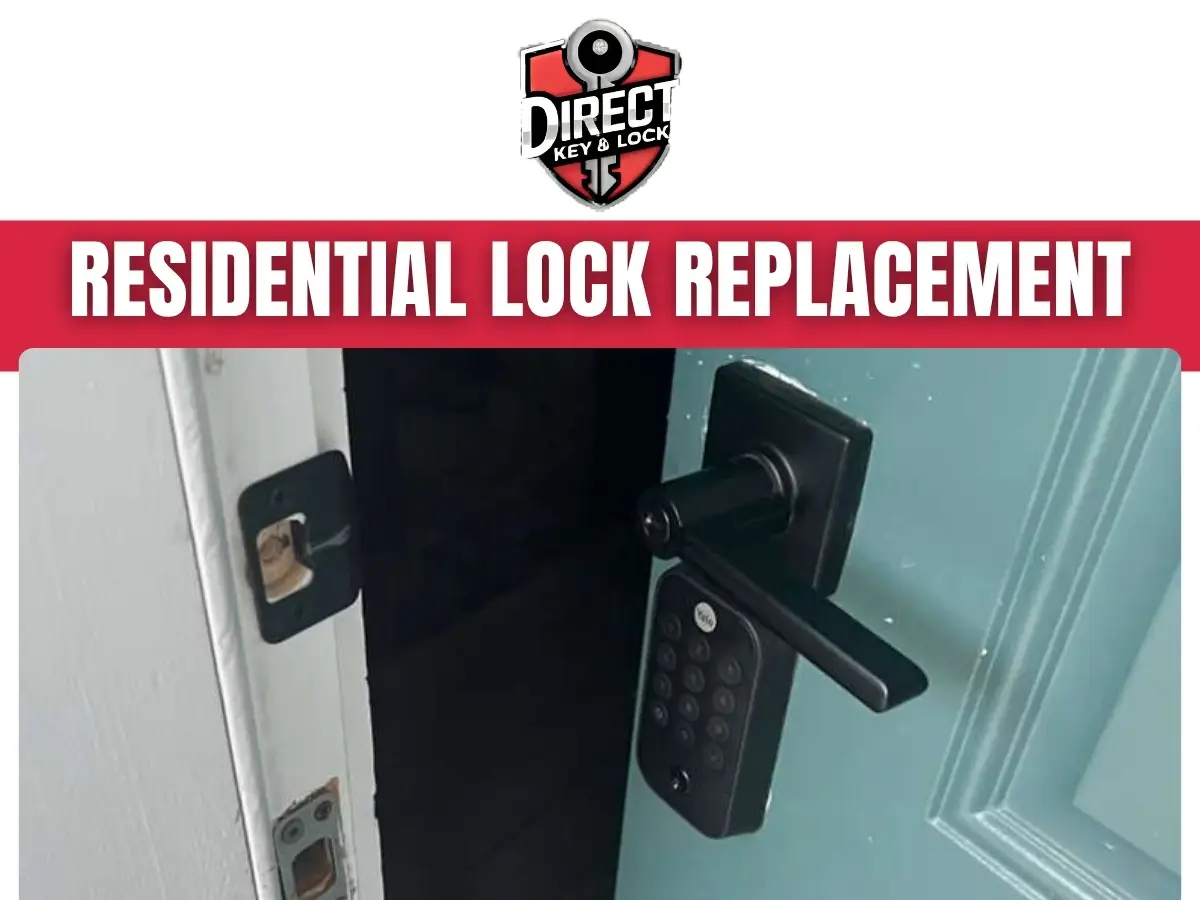
Residential lock replacement in Cypress replaces worn, damaged, or unwanted home locks with new hardware.
Direct Key & Lock helps homeowners in Cypress, TX choose suitable locks, check door fit, and replace existing hardware so everyday entry works properly and control over household keys is clearer.
A lock should close without a wrestling match. If yours sticks, spins, or no longer fits your household’s needs, replacement may be the right next step.
Call (346) 412-0490 or visit our homepage to discuss your doors, current locks, and replacement options.
Residential lock replacement involves removing existing locking hardware and installing a compatible replacement. The work may involve a deadbolt, keyed knob, lever lock, or matching entry set.
A replacement should fit both the door and the way you use it. That includes door thickness, existing holes, handle placement, and the strike opening in the frame.
Replacing the lock is also a chance to check related concerns. Loose screws, a damaged strike plate, or a sagging door can affect how new hardware works.
We look at the lock and its connection to the door rather than treating the hardware as an isolated piece. A new deadbolt should extend fully without forcing you to push, pull, or lift the door.
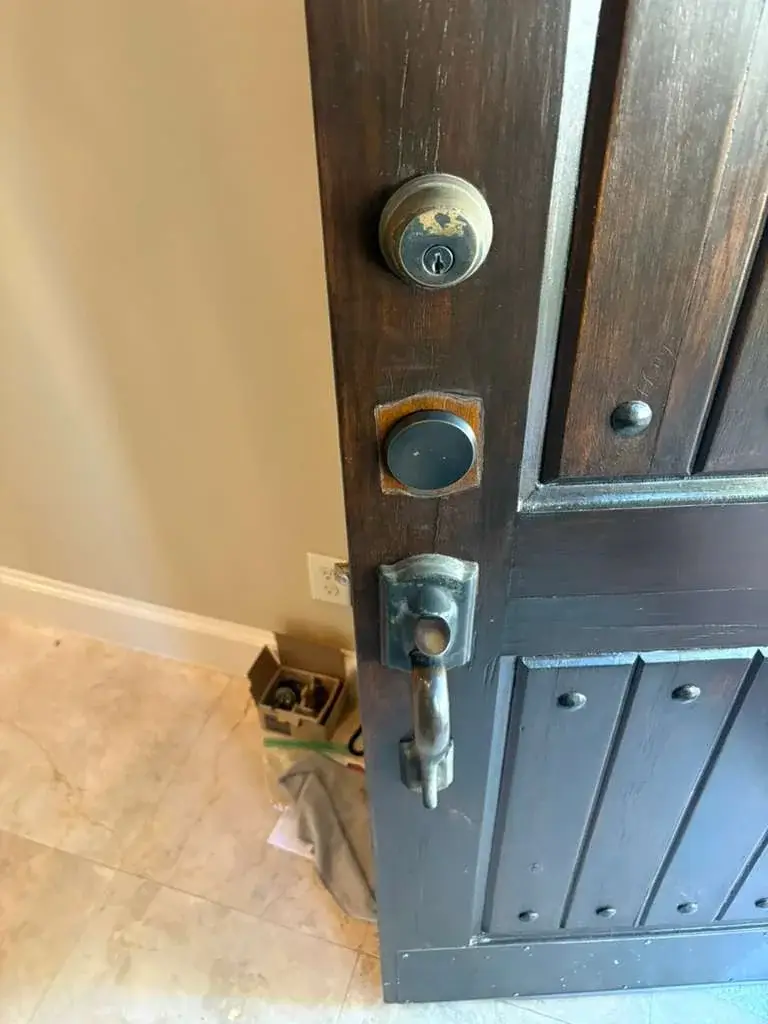
A lock may need replacement when damage, wear, or changing access needs make the existing hardware unsuitable. Trouble turning a key is worth checking before it becomes a complete lockout.
Does the lock work only when you pull hard on the handle? The problem could involve alignment rather than the lock itself.
We check what is causing the trouble before discussing replacement. That helps avoid putting new hardware on a door that still needs adjustment.
Replacement changes the lock hardware, while rekeying changes which key operates a compatible existing lock. The right choice depends on the lock’s condition and your reason for changing access.
If a lock works properly and you only want old keys to stop working, rekeying may be worth discussing. If the hardware is damaged, badly worn, or unsuitable for your needs, replacement may make more sense.
New keys do not fix damaged hardware. New hardware is not always necessary just because a former occupant still has a key.
A move is a good time to review every keyed entrance and decide which locks should stay. You may receive several keys without knowing how many copies exist.
Look beyond the front door. A side entrance, back door, or door between the garage and house may use a separate key.
For Cypress, Texas homeowners, this review can prevent an overlooked side entrance from keeping an old access arrangement in place. Tell us which doors matter most to your daily routine.
The best replacement lock fits your door, supports your access needs, and feels comfortable to use. Appearance matters, but fit and operation should guide the choice.
A deadbolt provides a separate locking point from a spring latch. A keyed knob or lever combines the handle and keyed entry function in a single assembly.
Consider these points before choosing.
We can discuss these factors with you before hardware is selected. A lock that looks right online may not fit the door waiting at home.
Electronic entry locks can reduce everyday key use, but they still depend on proper door fit. Their features also vary by model.
Some keypad locks work without an internet connection. Other models use an app, a separate hub, or a compatible home network.
Want to stop passing a physical key between visitors? Ask about code-based entry, but confirm the specific model’s access controls first.
We can discuss whether your door is a suitable candidate. Door alignment should be addressed before relying on a motor to move the bolt.
Compatible replacement locks may allow several home entrances to use the same key. This can simplify daily use without leaving you guessing which key fits which door.
Not every lock can share a key with every other lock. The keyway and cylinder system must be compatible.
A detached garage or a separate-use entrance may need its own key. The goal is a practical access plan, not simply the smallest possible key ring.
A new lock works properly only when the door, latch, bolt, and strike opening line up. Replacement hardware cannot correct every problem around the opening.
Texas heat, moisture, and ordinary building movement can affect door fit. Loose hinges and worn weatherstripping can also change how a door closes.
Some issues may need work beyond replacing a lock. If the door or frame has substantial damage, we explain how that affects the planned installation.
The finished lock should not depend on a special shoulder bump. Your door is an entrance, not gym equipment.
Our residential lock replacement in Cypress service follows a practical sequence of checking, fitting, and testing. The exact work depends on the existing door and chosen hardware.
A typical replacement involves these steps.
Tell us about intermittent trouble even if the lock behaves during the visit. Small clues can help identify an alignment issue.
The time needed depends on the number of locks, hardware compatibility, and condition of each door. A direct replacement is different from fitting hardware that needs changes to the door.
Photos and basic details can help us understand the request before the visit. Still, some conditions become clear only after the old hardware is removed.
We discuss the scope with you rather than giving every door the same time estimate. Let us know if you have a specific scheduling concern.
Stop forcing a lock if the key bends, the cylinder shifts, or the mechanism feels jammed. Extra pressure can break the key or damage components inside the door.
If there are signs of a break-in and someone may still be inside, move to safety and contact emergency services. Lock replacement comes after immediate personal safety.
For a damaged but accessible door, tell us whether it can close and lock at all. That helps clarify the condition before service is arranged.
A clear work area and a short door list help the replacement visit run more smoothly. You do not need to remove the existing locks yourself.
Have a door that sticks only after rain or during hot afternoons? Mention that pattern, even if it closes normally when we arrive.
Photos of both sides of the lock and the door edge may also help with an initial discussion.
You should feel comfortable operating each replacement lock before the work is considered complete. Testing should cover everyday use, not just whether a key turns once.
Ask anyone who regularly uses the door to try it if practical. A handle that suits one resident may feel awkward to another.
Keep product instructions where the household can find them. For electronic locks, store access information securely rather than leaving it near the entrance.
Gentle use and occasional checks can help keep replacement locks operating properly. Follow the hardware maker’s instructions for cleaning and lubrication.
Do not use the deadbolt to pull a partly closed door into position. Close the door first, then extend the bolt.
If operation changes with the weather, pay attention to the door fit. Repeated binding may point to an alignment concern rather than a faulty new lock.
Direct Key & Lock focuses on the connection between your lock, your door, and your household’s routine. We discuss what needs to change before you settle on replacement hardware.
That conversation can cover worn mechanisms, missing keys, easier handle use, or a move to keypad entry. We also look at whether retaining compatible hardware elsewhere makes sense.
You should know what the proposed replacement addresses and what it does not. A new lock may improve access control, but it will not correct a split frame or manage keys for you.
Bring your questions about fit, key matching, and daily operation. Our role is to help you make a clear choice without adding features you do not need.
Call Direct Key & Lock to discuss residential lock replacement in Cypress and the doors you want changed. We can review your concerns, talk through hardware considerations, and arrange the next step.
Before calling, note how many locks are involved and whether each door currently opens and closes. Tell us if you recently moved, lost keys, found damage, or want a different entry method.
You do not need to know the lock’s exact model to begin. A description of the problem and a few clear photos can support the conversation.
Call (346) 412-0490 or contact us to discuss residential lock replacement for your Cypress, TX home.
Residential lock replacement involves removing an existing door lock and installing a different one. Direct Key & Lock provides this service.
Replacement may be worth considering if locks are worn, damaged, or no longer suit your needs.
Reviewing your locks after a move can help you decide whether replacement or rekeying is appropriate.
Replacement changes the lock hardware, while rekeying changes which key operates the existing lock.
Replacement may be an option, depending on the condition of the lock and the door.
That depends on their condition and your preferences. You may choose to replace individual locks or several together.
A different style may be an option, depending on compatibility with your door.
Yes, replacement is one option to consider. Rekeying may also be suitable, depending on the existing lock.
Consider door compatibility, ease of use, and your household’s access needs.
Contact Direct Key & Lock to discuss your lock replacement needs and ask about availability.
Moving into a home often means more keys have existed than you realize. Here is a practical way to organize your first lock and key decisions.
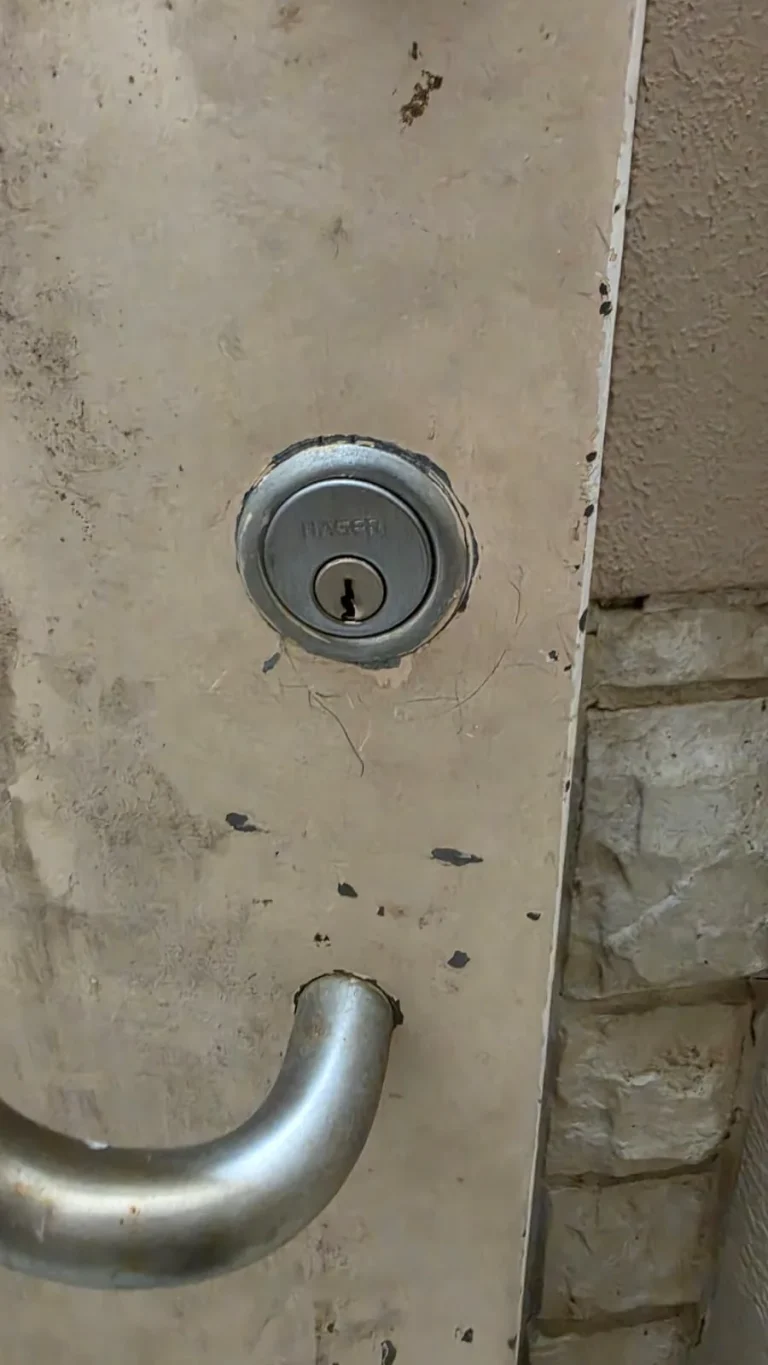
A failing lock does not always need to be replaced. Learn when a door or lock repair may solve the problem, when replacement fits better, and when rekeying protects your home.