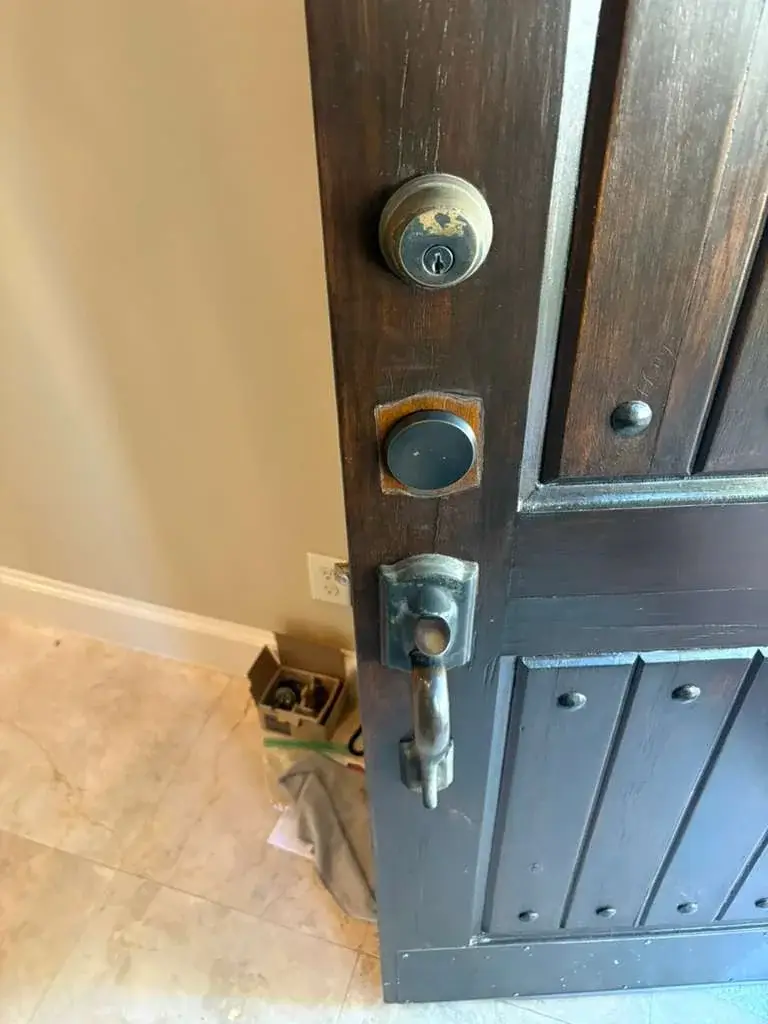
Home Security Planning
New Home Lock Change Checklist for Cypress Homeowners
Moving into a home often means more keys have existed than you realize. Here is a practical way to organize your first lock and key decisions.
License Number: B31188601
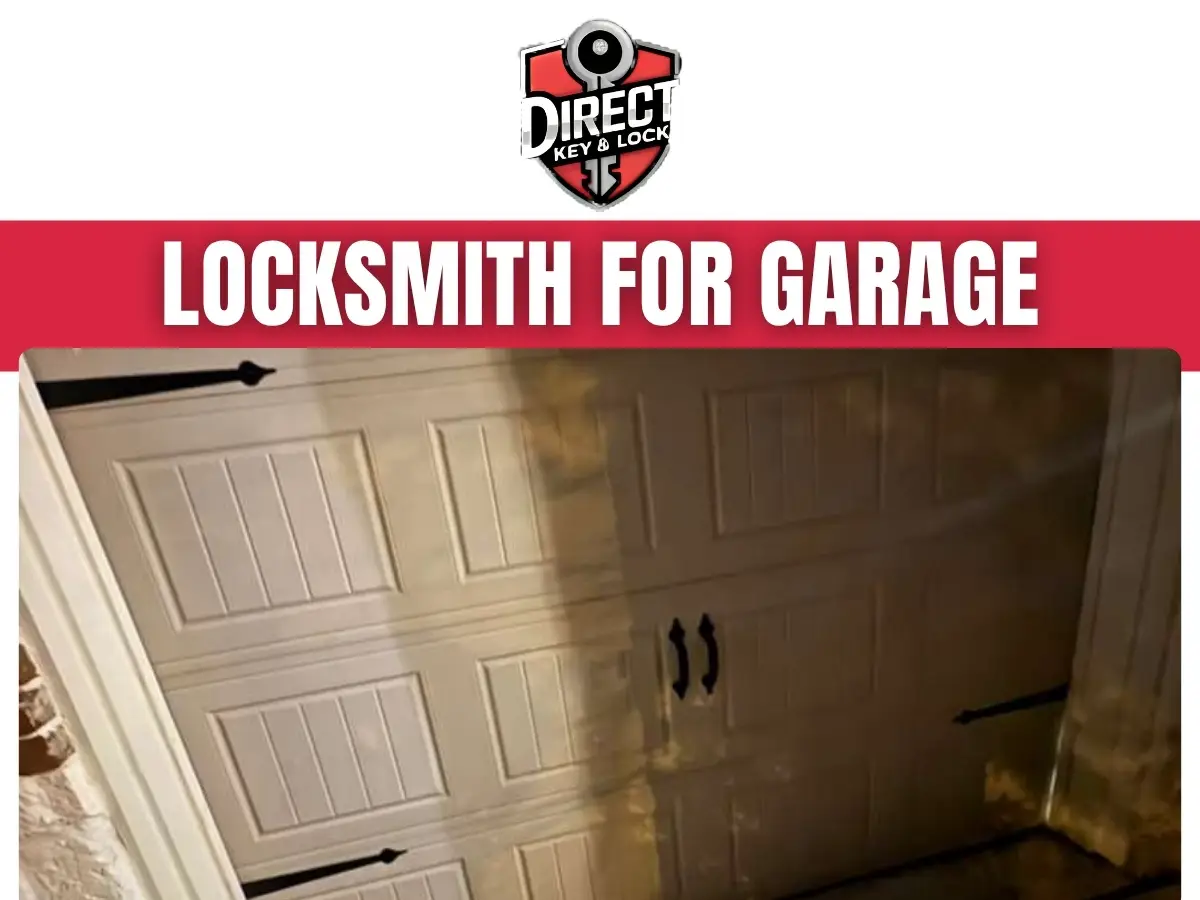
A locksmith for garage in Cypress handles garage locks, keys, and related access problems. Direct Key & Lock helps homeowners in Cypress, TX, with stuck locks, lost keys, rekeying, and replacement options. We focus on the lock hardware and explain when a door or opener problem needs a different professional.
Your garage may hold vehicles, tools, storage bins, and a door into your home. A lock that sticks or will not secure properly can disrupt your routine and leave you questioning who can get inside.
Call (346) 412-0490 to discuss your garage lock issue. Tell us which door is affected and whether it is currently open, closed, or locked.
Garage locksmith service addresses the hardware that controls entry through garage doors and related access doors. That can include a keyed side door, a compatible overhead door lock, or the door connecting an attached garage to the house.
Different doors use different hardware, so the first step is identifying what you have. A deadbolt on a side door needs a different approach than a keyed handle connected to locking rods.
Not sure what the lock is called? Describe where it sits and what happens when you turn the key. A photo of the hardware can also help clarify the request.
A garage lock needs attention when normal use takes extra force or no longer secures the door consistently. Catching the problem early with lock repair may prevent a broken key or an unexpected lockout.
Does your key turn only after you lift the handle? Do you have to pull the door tightly against its frame before the deadbolt moves? Those symptoms can point to door alignment rather than a faulty cylinder.
Avoid making a difficult lock part of your daily routine. Your key should not need a pep talk before every trip to the garage.
Garage lock trouble often comes from wear, contamination, loose hardware, or a door that no longer fits its opening correctly. Identifying the cause helps keep a lock replacement from becoming a temporary answer to the wrong problem.
A worn key may struggle to move the cylinder’s internal components. Dust, moisture, and unsuitable lubricants can also affect operation, especially on exposed side doors.
Cypress weather can contribute to swelling around wood doors and changes in how a latch meets its strike. Loose hinges or frame damage may create similar symptoms.
If the key sticks even with the door open, the cylinder or key may need closer inspection.
If it works smoothly while open, door fit becomes a stronger possibility.
A garage lockout starts with identifying the locked entry point and confirming authorized access. Direct Key & Lock can discuss the situation and determine whether it falls within locksmith work for an urgent access problem.
Are the keys inside the garage, or is the only key missing? Is there another authorized entrance that works normally? These details help define the problem without unnecessary handling of the door.
Do not pry around panels, drill the lock, or force a handle. Those attempts can damage the door and make the original access problem harder to resolve.
If someone is in immediate danger, contact emergency services rather than waiting for routine lock assistance.
Rekeying changes a compatible lock’s internal setup so a different key operates it. It can be a practical choice when the hardware still works properly but control over existing keys is uncertain.
This often comes up after a move, a lost key, or a change in household access. A garage key can circulate through more hands than you remember, especially if relatives or workers previously used the space.
Rekeying does not fix a damaged handle, worn locking mechanism, or poorly fitted door. Those conditions need separate attention before the lock can work reliably.
Direct Key & Lock can check whether your existing garage lock is suitable for rekeying. If you want the garage and another door to use the same key, compatibility must be checked first.
Similar-looking locks do not always accept the same key system. Bring that goal up early so the hardware can be reviewed together.
Lock repair addresses a correctable problem, while replacement removes hardware that is unsuitable or too damaged for dependable use. The right choice depends on the condition of the lock and the door around it.
A loose connection, shifted strike, or serviceable cylinder may not call for a complete replacement. Cracked hardware, severe corrosion, or repeated internal failure may make replacement more appropriate.
Our locksmith for garage in Cypress service starts with understanding the symptom rather than assuming every problem needs a new lock. We look at how the key, cylinder, latch, and door work together.
Appearance matters, but fit and reliable operation come first. A new handle cannot correct a damaged frame by itself.
A broken key or jammed cylinder should be left alone once normal turning pressure no longer works. Repeated twisting can push a fragment farther inside or damage internal components.
If part of the key is visible, resist grabbing it with whatever tool happens to be nearby. Pushing against the fragment may make extraction harder, even when it looks easy to reach.
Do not add glue or household oil to the keyway. Glue can bond moving components, while some oils collect dirt and create sticky buildup.
Keep any broken key pieces and show them during the service visit. They may help explain the failure, though a damaged key is not always a sound pattern for making another key.
After extraction, the lock still needs a function check. Removing the fragment does not resolve wear or alignment problems that caused the key to break.
A garage side door needs a working lock, a sound strike connection, and a door that closes properly. Focusing only on the overhead door can leave another access point overlooked.
Check whether the latch catches without slamming and whether the deadbolt extends fully. Also look for loose screws, split wood, or a strike plate that shifts during use.
For an attached garage, the door into the house deserves its own inspection. Any work should respect the door assembly’s fire-safety function and required closing features.
Do not remove a closer or alter the door simply to make a lock easier to turn. A binding lock needs diagnosis, not a workaround that affects another safety feature.
A locksmith for garage can help assess the keyed hardware at these access points. Structural damage or door assembly concerns may require a separate door professional.
A manual garage door lock must not remain engaged while a powered opener tries to move the door. That conflict can strain the opener or damage the door and its connected hardware.
Some overhead doors have keyed handles, sliding bolts, or locking rods. Whether those components should be used with a particular opener depends on the equipment and manufacturer instructions.
If your garage has both a manual lock and an automatic opener, explain that during your call. Do not assume adding another lock is appropriate for the existing setup.
Do not handle springs, cables, or lifting hardware. Those components can be under dangerous tension and fall outside ordinary lock work.
A garage locksmith visit begins with confirming the request, checking authorized access, and examining the affected hardware. Direct Key & Lock uses that information to explain the next steps before work proceeds.
Tell us about earlier repairs or repeated problems, even if they seem unrelated. A lock that has been replaced several times may be responding to an unresolved door-fit issue.
The goal is a clear understanding of what was wrong and how the serviced hardware should operate.
The time needed depends on access, lock type, damage, and whether suitable components are available. A straightforward rekey is different from dealing with a broken key inside badly worn hardware.
An unusual overhead door handle may need identification before a replacement can be selected. A stuck lock combined with frame damage can also require work beyond the cylinder itself.
Ask what information would help assess your request before arranging service. Clear details reduce guesswork, but some conditions can only be confirmed through an on-site inspection.
You can prepare for a residential locksmith visit by clearing safe access to the affected door and gathering the keys you currently use. There is no need to remove hardware or attempt repairs before the visit.
Move storage bins, bikes, and tools away from the lock area if you can do so safely. Keep children and pets away while the door and hardware are being checked.
If the problem followed attempted entry, avoid handling damaged areas until you have considered reporting and documentation needs. Tell us about sharp edges, unstable panels, or other visible hazards before anyone approaches the door.
Garage locks benefit from clean keys, secure hardware, and prompt attention to changes in operation. Small checks can reveal a problem before access becomes difficult.
Use only a lock lubricant suitable for the specific hardware and follow its instructions. More product is not always better, and mixing products can leave unwanted residue.
During wet or humid periods in Cypress, Texas, pay attention to changes in door fit. If the lock begins catching again, note whether weather or door position affects it.
Do not keep forcing a returning problem. That detail can help with lock repair diagnosis by separating normal hardware wear from a door alignment concern.
Direct Key & Lock helps you sort out garage lock repairs, replacement needs, and key-related access problems in Cypress. We keep the conversation focused on the affected door, the symptoms, and a practical next step.
Whether you have a detached garage with a missing key or an attached garage with a sticking side-door deadbolt, describe what is happening. Also mention any powered opener or visible door damage.
If you need a locksmith for garage in Cypress, call (346) 412-0490 or contact us to discuss your garage lock needs. Have the garage location, lock details, and access status ready so we can discuss your needs clearly.
This service addresses garage locks, keys, and related access concerns. Direct Key & Lock provides this service.
You may need one if a garage key is missing, a lock is difficult to use, or access needs have changed.
Contact a locksmith to discuss the access issue and any authorization requirements.
A locksmith can discuss options for restoring access and addressing the missing key.
That depends on the lock and its condition. A locksmith can discuss which approach may be appropriate.
Avoid forcing it, as this may cause damage. A locksmith can help determine what attention it needs.
Reviewing garage access can be useful when you do not know who may have existing keys.
Locksmith work and opener repairs may involve different services. Confirm the scope before arranging assistance.
Give a general description of the lock or access problem and confirm that you are authorized to access the garage.
Contact Direct Key & Lock to discuss your garage lock needs and available service options.
Moving into a home often means more keys have existed than you realize. Here is a practical way to organize your first lock and key decisions.
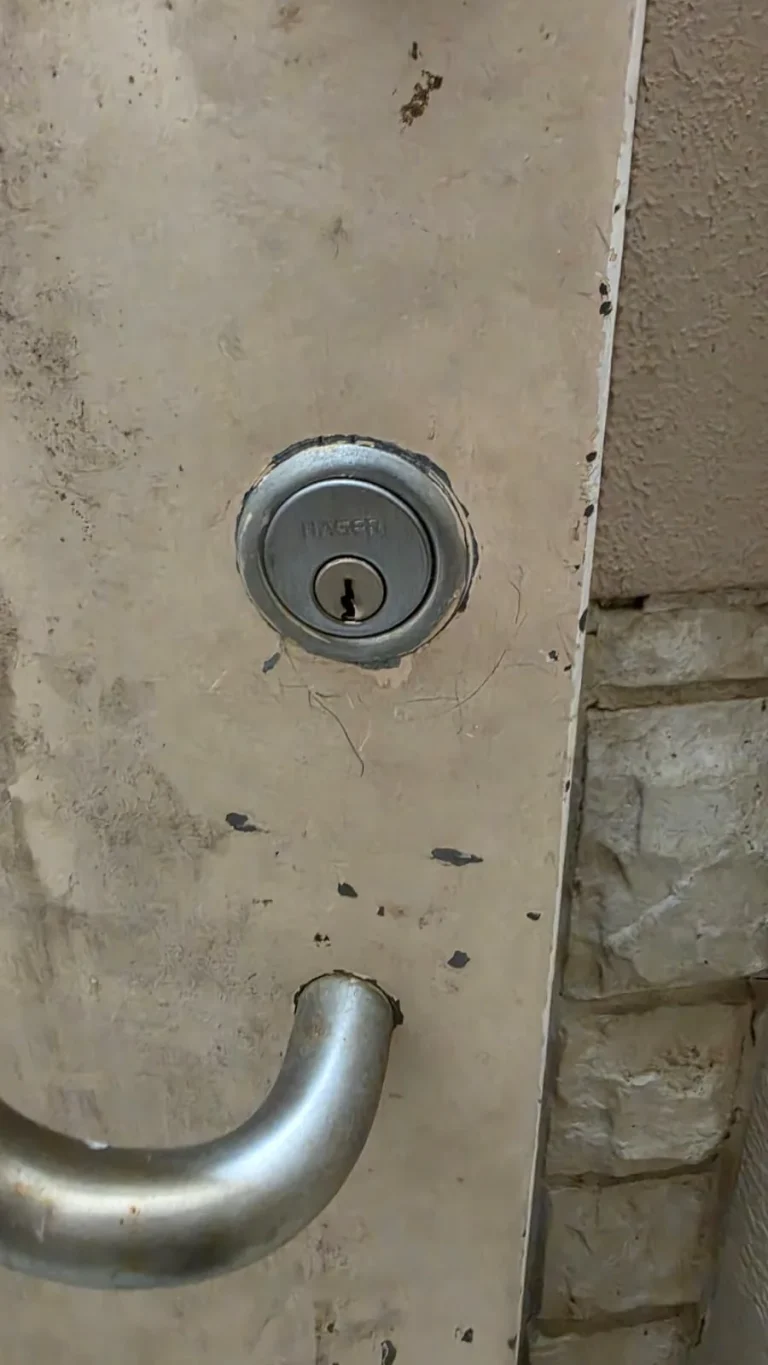
A failing lock does not always need to be replaced. Learn when a door or lock repair may solve the problem, when replacement fits better, and when rekeying protects your home.