To repair or replace a home lock, start with what is failing. A loose lock, rubbing door, or misaligned strike plate may be repairable. Replace hardware that is damaged, unreliable, hard to use, or no longer meets your security needs. If the lock works but old keys may still be out there, rekeying may be the better choice.
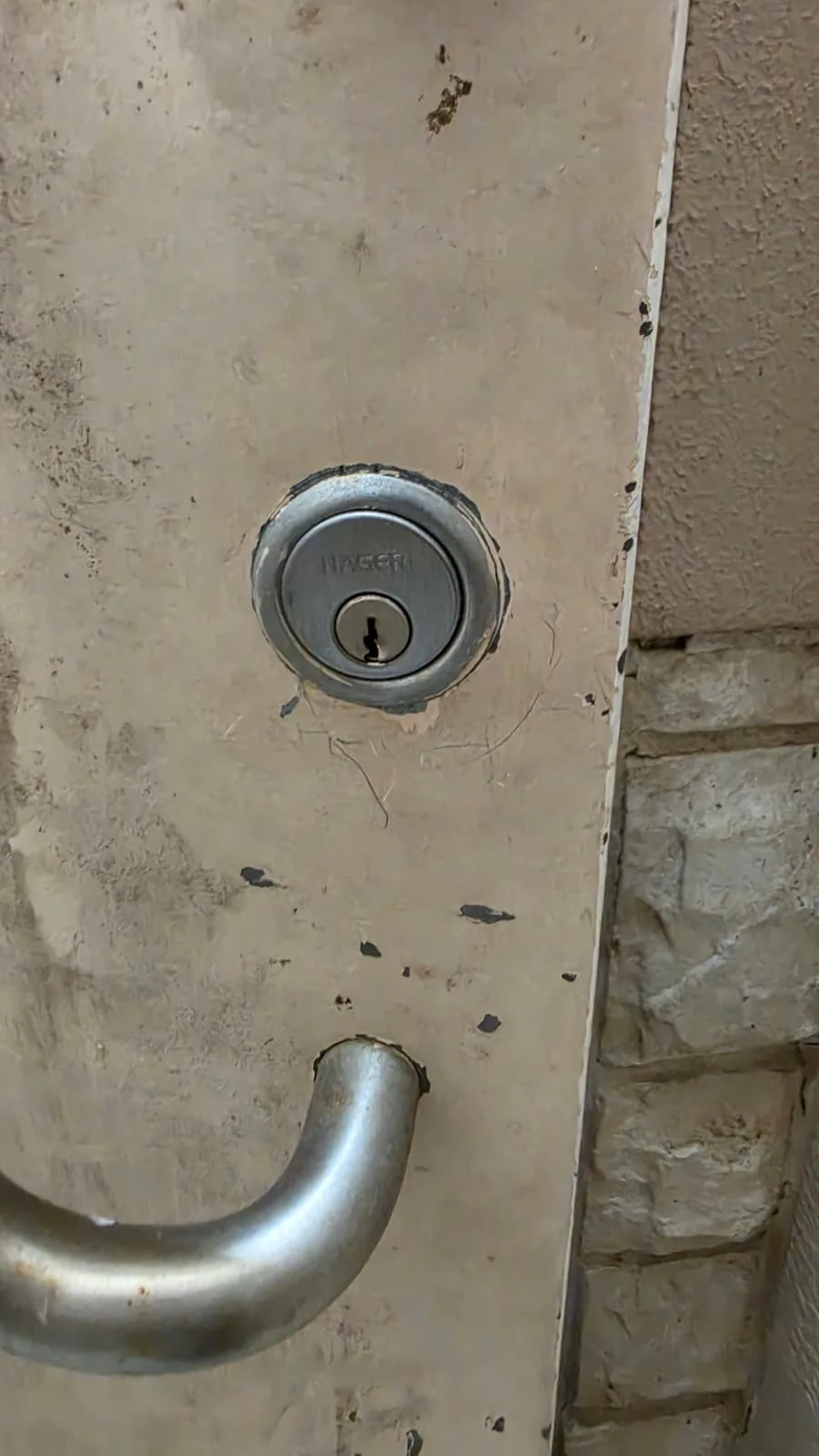
Start by separating a lock problem from a door problem
A key may turn poorly because of the lock. It may also be because the door has shifted and the bolt no longer lines up with the opening in the frame. Replacing the lock alone will not fix a door that sags or a strike plate that sits in the wrong spot.
Schlage’s door latch guidance lists loose hinges, door sag, weather stripping, a warped frame, strike-plate position, and the bolt pocket in the frame as possible reasons a door will not latch. Check the door before deciding what to buy.
- Open the door and turn the thumbturn or key. Notice whether the bolt moves smoothly when it is not meeting the frame.
- Close the door slowly. Watch whether the latch or deadbolt hits above, below, or beside the opening in the strike plate.
- Lift gently on the handle. Movement may point to loose hinges or a door that has dropped.
- Look for weather stripping that pushes the door away from the frame.
- Check whether screws at the lock, handle, hinges, or strike plate are loose.
Do not force the key or crank a stuck thumbturn. Pressure can damage a key or make a small fit problem worse. If the bolt works with the door open but binds only when shut, ask for a door and strike-plate check along with the lock inspection.
When repair may be the right first step
Repair makes sense when the basic hardware is sound and a correctable part or fit issue is causing the trouble. It keeps the lock you already use and focuses on the part that is preventing normal operation. A locksmith needs to inspect the actual door before saying whether repair can solve it.
Signs that point toward a repair visit
- The lock body is secure and has no visible cracks or bent parts.
- The key works, but the handle, latch, or bolt catches at times.
- The deadbolt works with the door open but does not enter the frame cleanly when the door is closed.
- The lock or strike plate feels loose after screws have worked free.
- The door has changed position and the hardware needs adjustment to match it.
Bring up every symptom during the call. Say whether the trouble happens from inside, outside, or both. Mention if it changes with the door open or closed. Those details help distinguish a lock issue from a fit issue.
For help with a lock that may be repairable, Residential lock repair is a useful next step when you want the door and hardware evaluated together.
When to replace a home lock
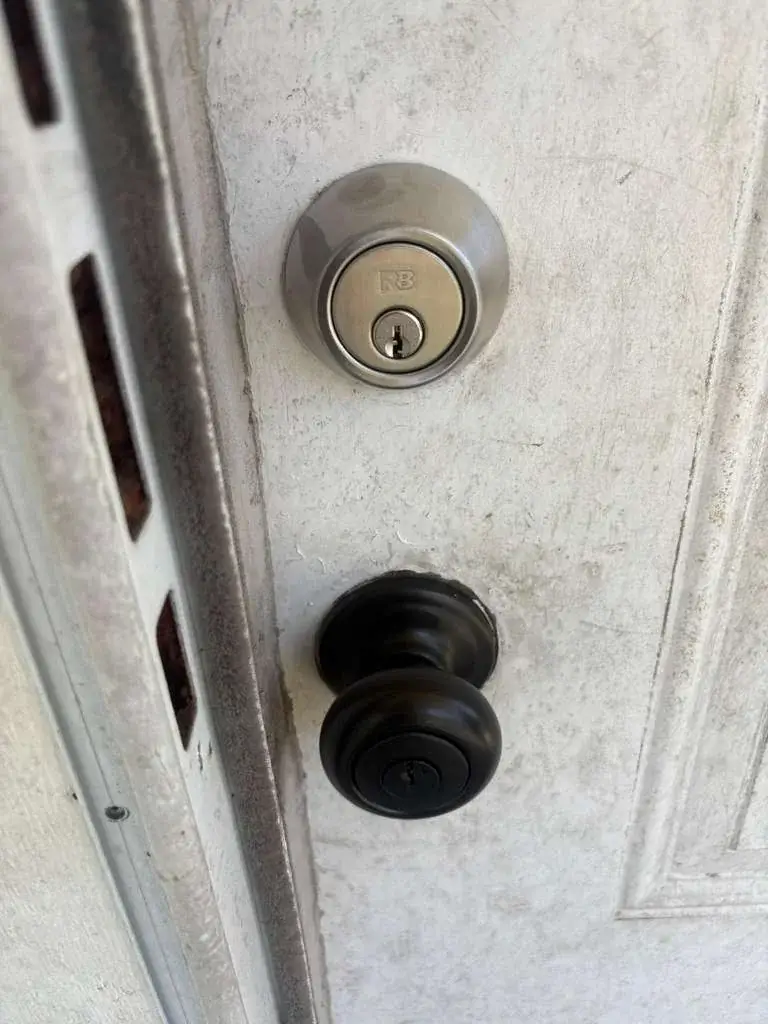
Replacement is a stronger choice when the hardware itself cannot be trusted. Visible damage, trouble getting a key into or out of the keyway, and a lock that does not latch or lock correctly are signs that replacement may be needed, according to Schlage’s lock replacement advice. Condition matters more than age alone.
Choose replacement when the hardware is no longer dependable
Put replacement at the top of the list if you see a cracked cover, a bent bolt, broken pieces, heavy corrosion, or damage after a break-in attempt. A lock that cannot consistently lock is not a good item to keep testing. It needs prompt attention before you depend on that door again.
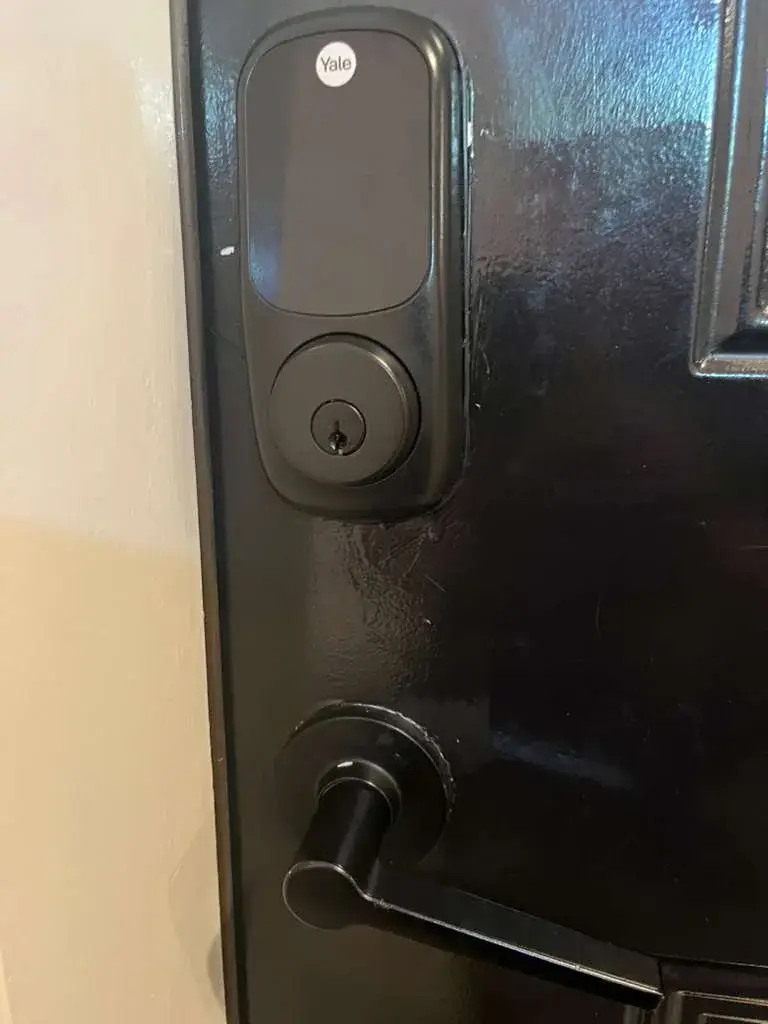
Replacement may also fit when the lock has a design or feature gap you want to address. You may want a different type of lock, a digital lock, or hardware that matches a new door setup. Direct Key & Lock lists lock installation and digital locks among its Cypress residential services on its services page.
There is a key difference between choosing new features and fixing a bad fit. A new deadbolt may add the function you want. It still needs to line up with the door frame. Ask for the door, frame, and strike area to be checked when replacement is planned.
If damaged or unreliable hardware needs to come off, see Residential lock replacement for the service path.
Rekeying may solve the key-control question
Rekeying changes the lock so a different key works. It is worth asking about when the lock operates properly but you do not know who has copies of the current key. That can happen after moving into a home, losing a key, or lending keys that were not returned.
Rekeying does not repair cracked hardware, a bolt that misses the strike plate, or a lock that is hard to turn. It addresses who can use the lock. If you have both a working lock and a key-control concern, it may avoid changing the full lock set. Direct Key & Lock lists residential rekeying among its services.
Before the visit, gather every door key you still have. Tell the locksmith which exterior doors you want to work with the same key, if that is your goal. Do not assume every existing lock can be set up that way. The lock types and their condition must be checked first.
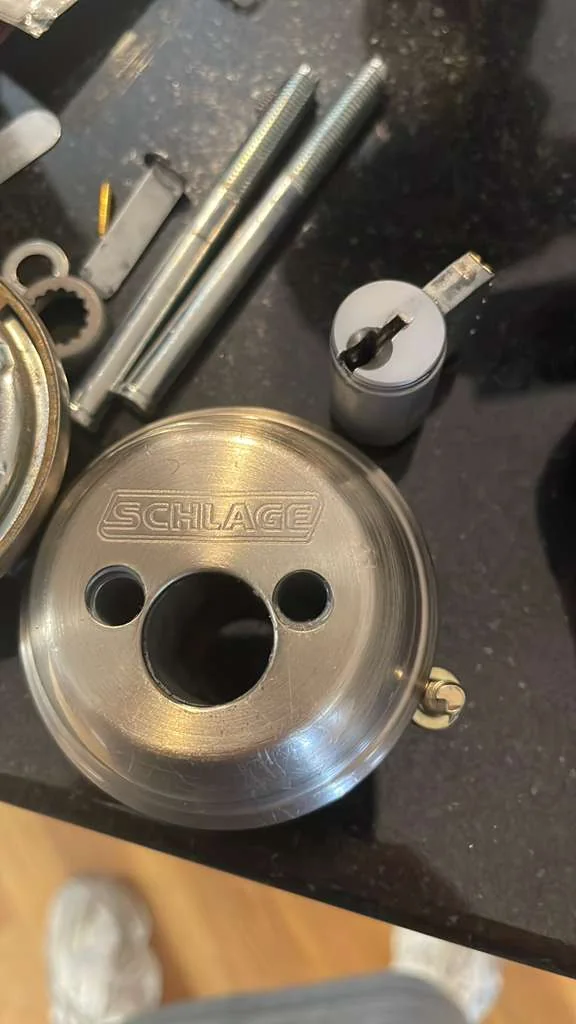
Use this check before you call a locksmith
A short set of notes helps you ask for the right service. You do not need to take a lock apart. Leave that work to a professional if the lock is stuck, damaged, or unfamiliar.
- Identify the door. Note whether it is the front, back, garage entry, side, or interior door.
- Describe the symptom. Write down whether the key sticks, the latch will not catch, the deadbolt drags, or the lock feels loose.
- Test the door position. Note if the problem happens only when the door is shut.
- Look for damage. Check the outside and inside trim, bolt, handle, strike plate, and nearby wood for visible damage.
- Decide your goal. Tell the locksmith whether you want normal operation restored, old keys stopped, a new feature, or damaged hardware replaced.
Take a few clear photos of the lock and strike plate if you can do so without leaving the home unsecured. Photos may help you describe the setup, though an on-site look is still needed to judge the cause and the available options.
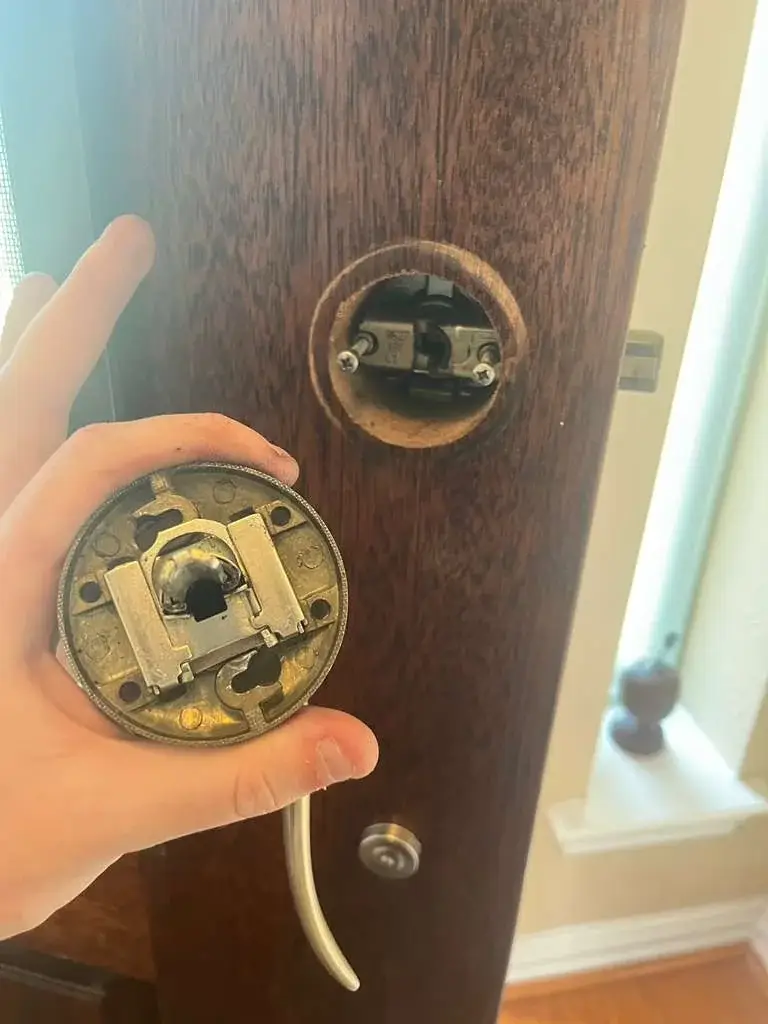
Keep the door secure while you wait for service
If the door will not lock, use another secure entrance and avoid leaving the home unattended through that opening. Do not rely on a chair, rope, or other makeshift item as a permanent solution. If a key breaks in the lock, do not push another object into the keyway. That can make removal harder.
If there are signs of forced entry, protect people first and preserve the area as much as you can. Call 911 first if someone is trapped, there is a fire, or there is smoke. After immediate danger has passed, arrange for the damaged door hardware to be assessed.
Questions Cypress homeowners often ask
Can I keep using a lock if it only sticks once in a while?
A lock that sticks now and then can become harder to use without warning. Avoid forcing it. Track when it happens and whether the door is open or closed. That pattern gives the locksmith useful information and can help prevent a broken key or a door that will not lock when you need it.
Should I replace every exterior lock after moving into a home?
You may not need to replace every lock if the existing hardware is in good condition and fits your needs. Rekeying may change who can use compatible working locks. Replacement may fit where hardware is damaged, where you want a different feature, or where locks do not meet your preferences.
What should I bring up about a digital lock?
Tell the locksmith which door you want to use, whether it has a deadbolt or handle lock now, and what you want the new lock to do. Ask about the door condition, the frame fit, and the hardware options available for your setup before choosing a model.
Can I use lubricant to fix a sticky lock?
A product may not fix a loose lock, worn internal part, damaged key, or door that is out of line. Avoid putting oil or household products into the keyway without knowing they suit the lock. If the problem keeps coming back, an inspection can identify whether the lock or the door needs work.
If you need help deciding whether to repair or replace a home lock in Cypress, call Direct Key & Lock at (346) 412-0490. Describe the door, the symptom, and your security goal to arrange an evaluation and discuss repair, replacement, or rekeying.

