Home Security Planning
New Home Lock Change Checklist for Cypress Homeowners
Moving into a home often means more keys have existed than you realize. Here is a practical way to organize your first lock and key decisions.
License Number: B31188601
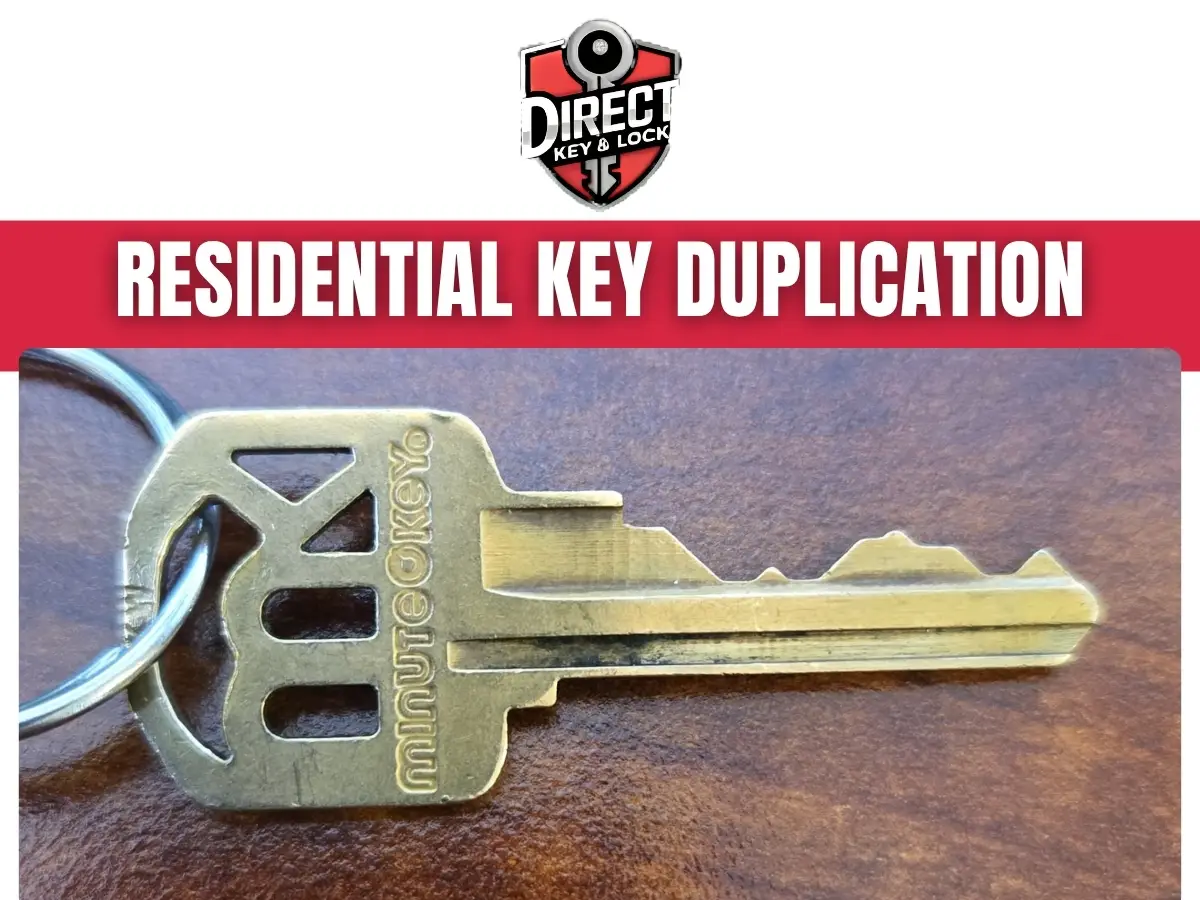
Residential key duplication in Cypress creates extra copies of working house keys for family, guests, and backup access. Direct Key & Lock helps homeowners in Cypress, TX, review their keys, discuss suitable copies, and plan dependable home access without changing locks that still work properly.
A spare house key can keep a simple schedule change from becoming a locked-door problem. Maybe your teenager needs a key after school, or a trusted neighbor checks the house while you travel. A working copy gives each person access without passing the same key back and forth.
The best place to begin is with a key that turns smoothly in the correct lock. Call (346) 412-0490 or discuss your home key needs with Direct Key & Lock.
Residential key duplication copies an existing house key onto a compatible blank so another key can operate the same lock. The original lock stays in place, and existing working keys continue to function.
Homeowners commonly request copies for front doors, side entrances, back doors, and keyed garage entry doors. Some homes also have separate keys for gates, storage spaces, or other household locks. Each key needs a blank that matches its particular keyway.
Not every key can be copied through the same process. Its shape, condition, markings, and lock system can affect the next steps. We can discuss these points before you plan around having extra copies made.
A duplicate also preserves the current access arrangement. It does not remove access from anyone who already has a working key.
An extra key makes sense when someone needs regular, approved access or your household lacks a practical backup. Planning ahead is usually simpler than discovering the spare is missing while standing outside and needing emergency locksmith help.
Does everyone who needs a key have a working copy? A quick household check can reveal gaps before a busy morning puts them to the test.
Make copies based on real needs rather than handing them out casually. Every extra key is another item to track.
A straight, lightly worn key that operates smoothly is usually the best source for duplication. Starting with a poor copy can carry its errors into the next copy.
Look for rounded cuts, bends, cracks, or a worn shoulder near the key’s head. Notice whether the key needs a jiggle, a partial pullback, or pressure against the door before it turns. Those habits can signal a key or lock problem.
If you have several working keys, compare how they operate the same lock. The oldest key is not automatically the best source, and the newest copy is not automatically accurate.
Tell us if the key has ever stuck or stopped turning. Copying alone may not solve that issue, especially if the lock is also worn and needs lock repair.
A few clear facts about your keys help us discuss the right next step for your home access needs. You do not need technical lock knowledge, just a working key and a basic understanding of the doors it opens.
Use this checklist before contacting Direct Key & Lock.
Keep your full address off loose key tags.
You can identify a key without giving a finder directions to your door.
Key duplication involves checking the source, selecting a compatible blank, and reproducing the cuts that operate the lock. A useful copy needs the correct shape and accurate cuts, not just a similar-looking head.
For residential key duplication in Cypress, the basic process follows these steps.
Testing matters even when a copy looks right. Small differences can affect how easily it enters, turns, and comes back out.
Keys with unusual profiles, restricted systems, or heavy damage need extra review before copying. A standard-looking key head does not tell the whole story.
Many household door keys use familiar edge-cut patterns. Other locks use less common blanks or systems with controlled access to replacement keys. The correct residential locksmith process depends on the lock, the key, and any applicable authorization requirements.
If a key belongs to a rental home or managed apartment property, check the property’s rules before requesting copies. You may need to speak with the owner or manager about approved access.
Keys marked with copying restrictions also deserve a closer look. Tell us about those markings when you call so we can discuss what may be needed without assuming every key is eligible.
Duplication adds access, while rekeying changes which key operates a compatible lock. Lock replacement changes the lock hardware itself.
These differences matter if your reason for calling goes beyond needing another copy. A spare does not address concerns about an unreturned or stolen key.
Did you recently move into a home in Cypress, Texas? Before making copies, consider whether you know who still holds keys to the existing locks.
A missing key should prompt a security review before you focus only on making another copy. The right response depends on where it went missing and whether someone could connect it to your home.
A key lost inside your own house presents a different concern from a key stolen with identification. An unreturned key from a former occupant also deserves thought, even if the door still locks normally.
Tell Direct Key & Lock whether you have a working source key and whether access needs to change. If every key is missing, the job is no longer ordinary duplication from an existing key and may require emergency locksmith assistance.
Avoid forcing random keys into the lock while searching for a match. A close fit is not a working fit, and forcing it can leave you with a stuck or broken key.
Test every new copy while the door is open before relying on it for outside access. This reduces the chance of locking yourself out during the first check.
Follow these steps for each key.
If the key catches, stop rather than adding force. Note which lock caused trouble and whether the source key behaves the same way when discussing possible lock repair needs.
A door that binds can make a good key feel faulty. Lock operation depends on both the cylinder and how the door lines up with the frame.
A useful clue is whether the key turns easily with the door open but resists when the door closes. That pattern may point to pressure on the bolt or a strike opening that no longer lines up, rather than a copying issue. Mention it when discussing residential lock repair.
Weather changes, moisture, loose hinges, and normal settling can affect door fit in Cypress homes. If you must lift the handle or push hard against the door, mention that before requesting copies.
Do not use the key as a handle to pull the door shut. The key is there to turn the lock, not win a tug-of-war with the frame.
A clear handoff plan helps extra keys stay useful without becoming untracked access. Decide who needs a copy, how long they need it, and when it should come back.
For children or teenagers, practice using the lock before the first solo arrival home. Confirm that they can reach the lock, turn the key, and secure the door after entering.
For guests, identify the correct entrance and explain any separate deadbolt or knob lock. If two keys are needed, label them clearly without adding your street address.
For pet sitters, relatives, or other trusted helpers, agree on permitted visits and key return. Getting a key back is useful, but it cannot confirm that no additional copies were made. If access should change, discuss rekeying.
A spare key should be accessible to the right person without being easy for a stranger to find. Common hiding spots near the entry offer less protection than many homeowners expect.
Under a mat, inside an unlocked mailbox, or beneath a nearby planter are predictable choices. A hiding place does not become safer just because the container looks like a rock.
Consider these practical habits.
The best backup plan is one your household understands. A secret spare nobody can find is mostly a scavenger hunt and may leave you needing emergency access help.
The time needed for duplication depends on the key type, blank availability, quantity, and source condition. Residential locksmith service arrangements can also affect when your copies are ready.
A familiar house key with a suitable blank presents a different task from an unusual or damaged key. Several distinct keys may require separate checks, even if you need only a single copy of each.
Ask about expected timing when you call rather than assuming every request can be completed immediately. Mention any travel plans, guest arrivals, or household schedule changes.
For homes with several entrances, including garage entry doors, allow time to test each copy afterward. A key should prove itself at the door before it becomes someone’s only way inside.
Gentle use and sensible storage help protect your original keys and new copies. Keys can wear or bend even when they spend most of their time on a ring.
Keep the blade clean and dry, and avoid using it to open packages or pry objects. Check occasionally for cracks near the head and visible bending along the blade.
Do not grind or file a copy that feels tight. Removing metal can change the cut pattern and make the problem harder to assess.
If several keys begin sticking in the same lock, the cylinder may need attention. Ask for guidance before applying a lubricant, since the appropriate product can depend on the lock manufacturer’s instructions.
Direct Key & Lock can help you review your residential key duplication request and plan the next step. Start with the door involved, the number of copies needed, and whether your current key works smoothly.
Our approach starts with your actual access needs rather than assuming every request is identical. Routine family copies, temporary guest access, and a missing key each call for different questions.
For residential key duplication in Cypress, have your best working key ready and mention any unusual markings or sticking. If you are unsure whether duplication fits your situation, explain what changed and what you need the new key to do.
Call (346) 412-0490 or contact us to discuss spare house keys with Direct Key & Lock in Cypress, TX. A little planning now can make the next household key handoff much simpler.
Residential key duplication involves making an additional copy of a home key. Direct Key & Lock provides this service.
A duplicate can be useful for household members, trusted contacts, or a spare kept in a secure place.
Duplication options depend on the key type. Some keys may have restrictions or require authorization.
An existing key is generally used for duplication. Ask the provider what is needed before visiting.
Wear can affect duplication. A locksmith can advise whether copying the key is appropriate.
No. Duplication creates another key, while rekeying changes which key operates an existing lock.
Check your lease and obtain any required permission from your landlord or property manager first.
Contact a locksmith to discuss your options. Duplication generally requires an existing key.
Check that it operates the intended lock without forcing it. Contact the provider if it does not work smoothly.
Keep it in a secure location or with someone you trust, rather than in an obvious outdoor hiding place.
Moving into a home often means more keys have existed than you realize. Here is a practical way to organize your first lock and key decisions.
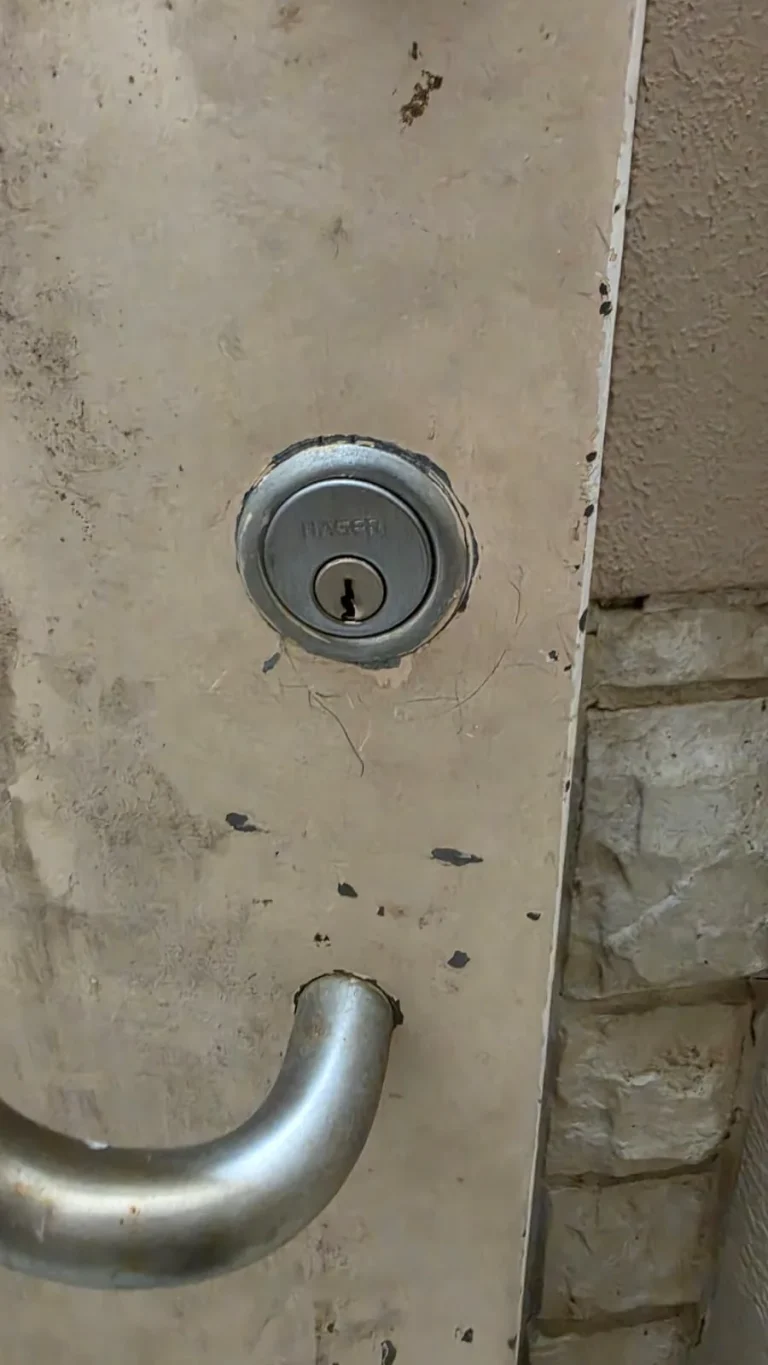
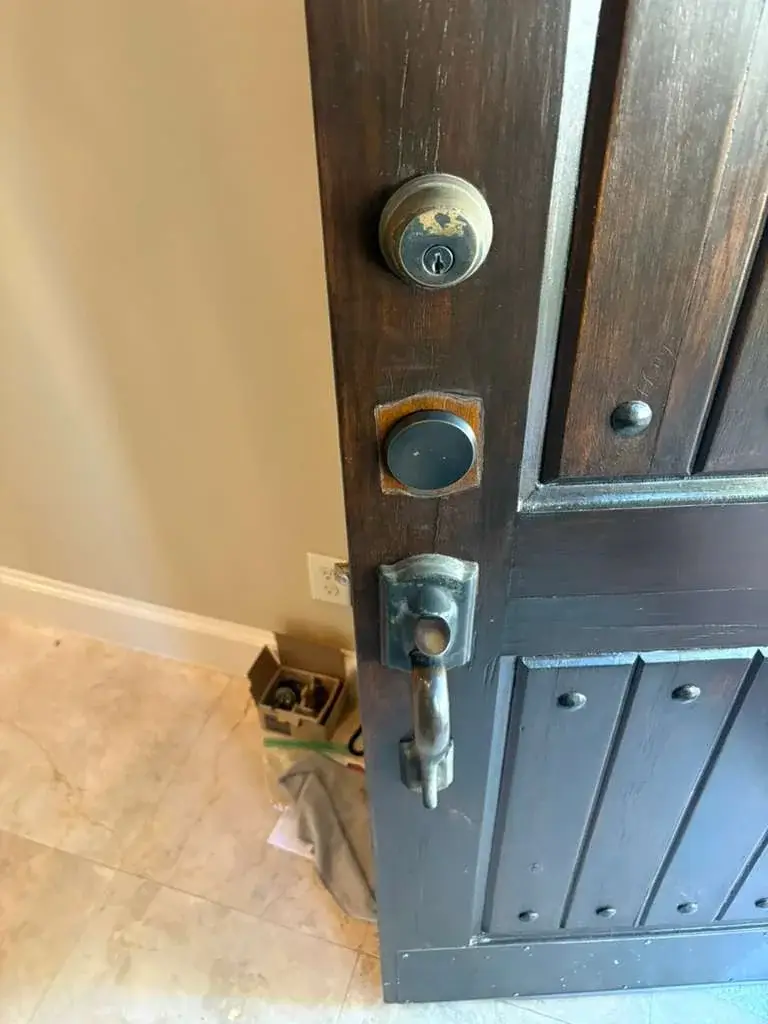
A failing lock does not always need to be replaced. Learn when a door or lock repair may solve the problem, when replacement fits better, and when rekeying protects your home.