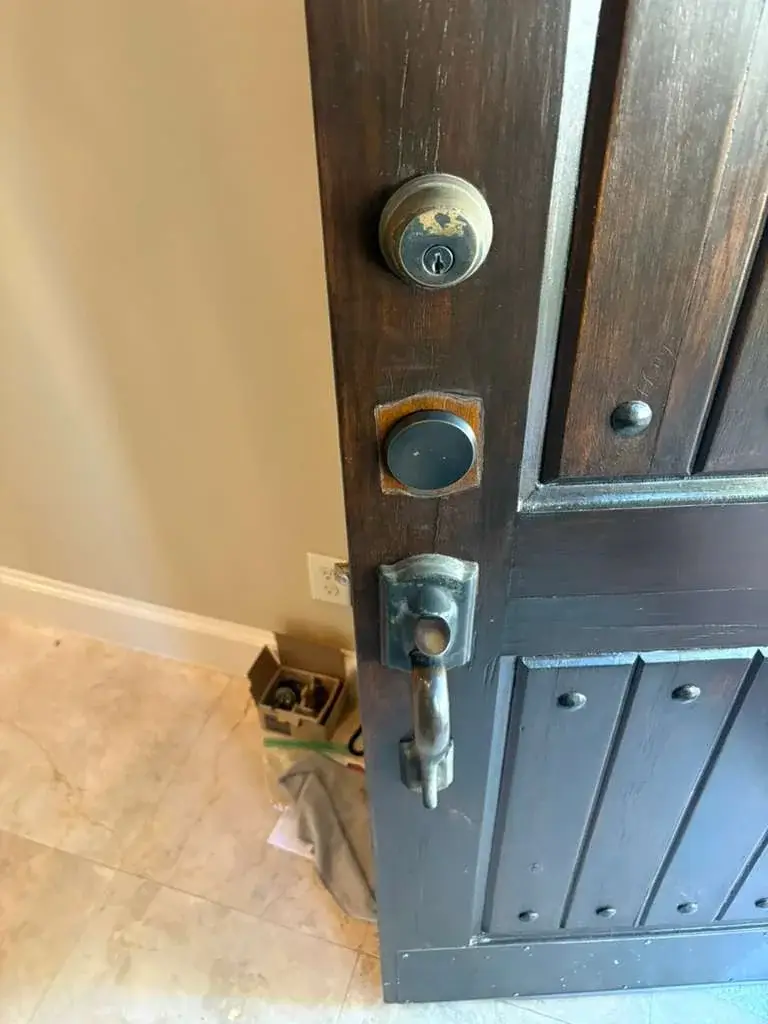
Home Security Planning
New Home Lock Change Checklist for Cypress Homeowners
Moving into a home often means more keys have existed than you realize. Here is a practical way to organize your first lock and key decisions.
License Number: B31188601
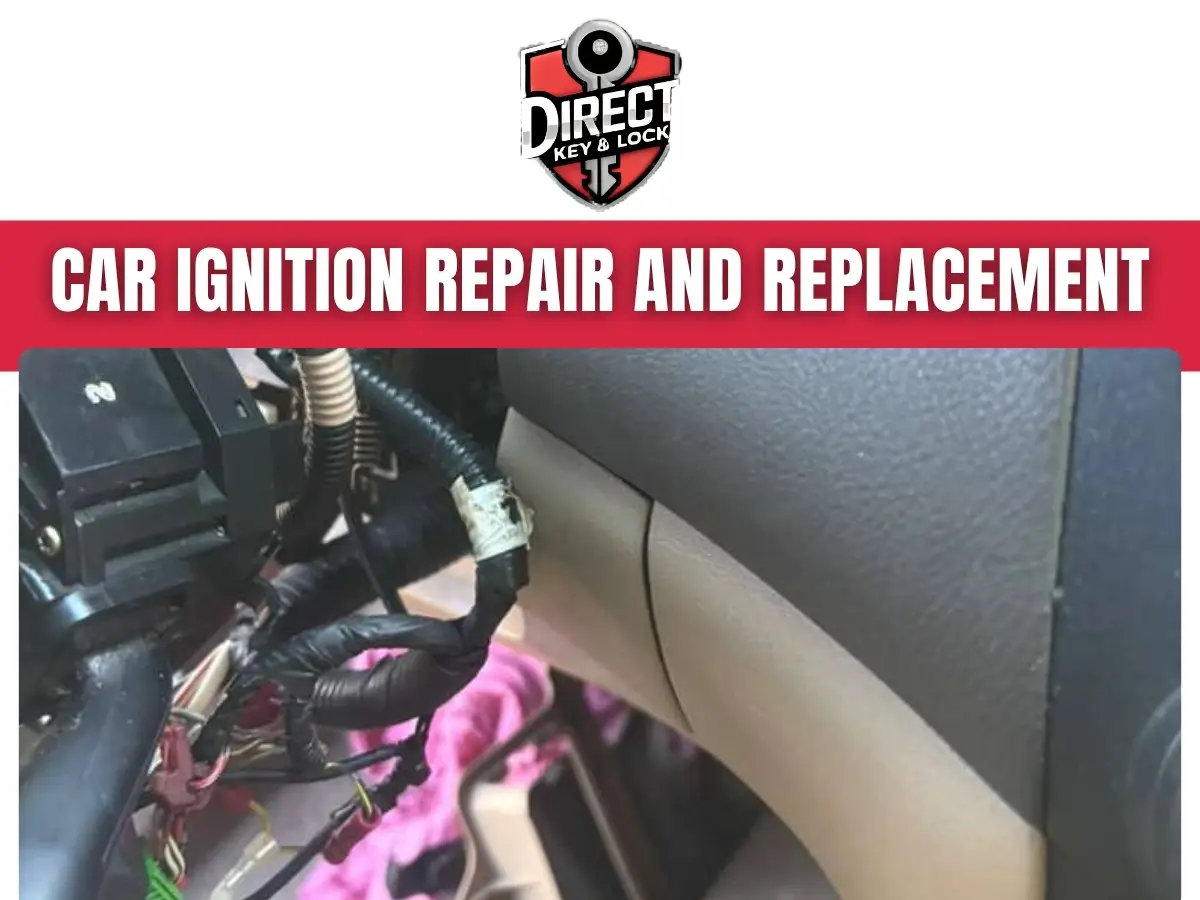
Help for a Stuck Key or an Ignition That Will Not Turn
Car ignition repair and replacement in Cypress addresses worn ignition locks, stuck keys, and damaged cylinders that prevent normal vehicle use. Direct Key & Lock helps drivers in Cypress, TX identify the problem, review suitable repair or replacement options, and plan the next step without forcing the key or guessing.
Ignition repair focuses on restoring proper key movement, while replacement addresses components that cannot be put back into dependable working condition. The right approach depends on the key, cylinder, vehicle, and symptoms.
The ignition lock cylinder is the opening where you insert and turn a mechanical key. Inside, small components must line up correctly before the cylinder can rotate. Wear or damage can prevent that movement, even when the key still looks usable.
The electrical ignition switch performs a different job. It controls electrical functions associated with accessory power and starting, though its location and operation vary by vehicle.
A car that will not start does not automatically need a new ignition cylinder. At Direct Key & Lock, we use your description and the vehicle’s condition to help separate a lock problem from an electrical or starting-system concern.
A key that regularly catches, resists turning, or becomes difficult to remove needs attention before the problem gets worse. Occasional trouble can become a complete lockup at an inconvenient moment.
Does your key only work after several attempts? That pattern gives us useful information, especially if it happens with both your everyday key and a spare.
A worn key and a worn ignition cylinder can produce many of the same symptoms. Checking both helps avoid replacing a component that is not causing the trouble.
Repeated use can round off a key’s cuts. A bent blade can also stop the internal pieces from lining up correctly, making normal turning difficult. Checking its condition helps determine whether key replacement is appropriate.
The cylinder itself can develop worn or sticking internal components. A heavy key ring may add strain while the vehicle moves, and previous attempts to force the key can cause further damage.
A spare key provides a useful comparison if it is straight and in good condition. If the spare works smoothly but the everyday key does not, key wear becomes a stronger possibility.
If both keys stick, the cylinder may need closer inspection.
That comparison is a clue, not a final diagnosis, since steering pressure and vehicle interlocks can affect both keys.
You can check the steering lock, shifter position, and key condition without taking anything apart. Keep every movement light, and stop if the key bends or resistance increases.
A wheel pressed against a curb can load the steering lock. Relieving that pressure may allow normal turning without any ignition repair.
Your key is a precision tool, not a miniature crowbar. Extra force rarely improves this situation.
Visible key damage, unusual heat, or a burning smell calls for a pause rather than another starting attempt. These symptoms may involve more than a sticking lock.
Do not use pliers to twist the key. Avoid inserting picks, blades, or other objects beside a broken fragment, since they can damage the cylinder or push the fragment farther inside. Broken key removal should not involve forcing objects into the opening.
Keep household oils and unapproved sprays out of the ignition. The wrong product can leave residue or reach nearby electrical components.
If the vehicle loses power while moving, focus on reaching a safe stopping place. Do not remove the key while the vehicle is moving, and arrange appropriate roadside help if it cannot be driven safely.
Smoke, sparking, or active fire requires an emergency response, not a routine locksmith appointment. Once immediate safety concerns are handled, the affected systems can be assessed.
Ignition repair may address a removable obstruction, a broken key fragment, or internal sticking that has not caused extensive damage. Inspection determines whether keeping the current cylinder is a sensible option.
Broken key extraction and cylinder repair are separate decisions. Removing a fragment does not prove that the ignition is ready for normal use, particularly if the key broke because the cylinder was binding.
After extraction, the key opening and cylinder operation should be checked. The remaining key also needs attention, since a cracked or worn blade may create the same problem again.
Car ignition repair and replacement in Cypress should address the cause, not just get the key to turn once. We discuss what the symptoms suggest and whether the existing components remain usable.
Can the current key stay in use? That depends on its condition and the work needed, so we check rather than assume.
Ignition cylinder replacement may be necessary when wear, physical damage, or internal failure makes repair unsuitable. The replacement must match the vehicle’s ignition setup.
Damage from an attempted theft can affect more than the visible key opening. The housing, surrounding trim, wiring, and steering column may also need assessment.
A replacement ignition does not automatically require changing every door lock. Ask how the proposed work will affect your current keys before approving the next step.
A key that turns normally while the engine does not start may point beyond the mechanical ignition cylinder. Battery trouble, wiring faults, starter issues, or key recognition problems can create similar complaints.
Tell us whether the engine cranks, whether dashboard lights appear, and whether a security indicator stays on. Those details help narrow the next checks, though they do not establish the cause by themselves.
Push-button vehicles use a different starting arrangement. They may have trouble with a fob battery, a brake pedal input, an electronic steering lock, or the vehicle’s recognition system.
Check the owner’s manual for the vehicle’s backup fob-reading procedure. Do not assume that repeated button presses will overcome a recognition fault.
At Direct Key & Lock, we discuss whether your concern falls within locksmith work. If the symptoms suggest a broader electrical or mechanical fault, another automotive service may be needed.
We begin by learning what the ignition does, what changed, and which vehicle needs service. Clear information helps us discuss a useful next step instead of treating every no-start complaint alike.
Tell us about previous repairs or recent theft damage at the beginning. Those details can change what needs inspection and help prevent repeated work.
The time needed for ignition work varies with the fault, the vehicle, and access to the affected components. A simple symptom does not always point to a simple repair.
A fragment near the cylinder opening presents a different task from a damaged ignition housing. Steering column access, replacement component availability, and electronic key requirements can also affect the work.
Has anyone already tried to remove the cylinder? Mention missing trim, drilled components, disconnected wiring, or tools used inside the key opening.
We can discuss the likely scope after learning more about the vehicle. A firm completion expectation may require inspection, especially when several problems overlap.
If you need transportation for work, school pickup, or another appointment, plan for that separately. Avoid depending on an estimated repair duration before the cause is known.
Having the vehicle details, available keys, and a clear description ready helps the service conversation move efficiently. There is no need to remove steering column covers or attempt disassembly.
If documents are locked inside, mention that when you call. Do not force a door or window just to collect paperwork.
A short video of the symptom may help explain intermittent trouble. Record only while parked, and do not repeat a damaging action for the camera.
Where your vehicle is parked affects safe access and how you should prepare for service. A driveway, busy shopping lot, and narrow parking garage each present different concerns.
In Cypress, Texas, tell us whether the vehicle is at home, at work, or stopped away from your usual parking place. Include a clear address and any instructions needed to locate it.
If the car is near traffic, put personal safety before checking the ignition. Do not stand beside moving vehicles to test a spare key or inspect the steering column.
Heat also matters while waiting in a parked vehicle in TX. Move to a safe, cooler place if needed, and never leave children or pets inside an unattended car.
Call to discuss service arrangements for your location and vehicle. Do not assume on-site access is possible until the parking conditions and required work have been reviewed.
The ignition should be checked for normal movement and release after the agreed work is complete. Pay attention to how it feels so you can notice a change early.
For a keyed ignition, testing may include insertion, rotation through the relevant positions, starting, shutdown, and key removal. Where applicable, the shifter-related key release function also needs checking.
Keep the ignition key on a light ring. Replace a bent or cracked key instead of waiting for it to snap inside the cylinder.
Do not make repeated copies from a visibly worn key without discussing its condition. Copying worn cuts can carry the same problem into another key.
If sticking returns, note when it happens and which key you used. Tell us whether the steering wheel was under pressure or the shifter needed adjustment, since those clues can guide another check.
Direct Key & Lock helps Cypress drivers understand ignition trouble and discuss practical repair or replacement options. Tell us what the key does, where the vehicle is parked, and whether you have a working spare.
You do not need to diagnose the cylinder before calling. A clear description is more useful than guessing which component needs replacement.
For car ignition repair and replacement in Cypress, contact us before forcing a stuck key or taking the steering column apart. We can discuss the vehicle, the symptoms, and the next step for your situation.
Call (346) 412-0490 or visit Direct Key & Lock to discuss ignition service in Cypress, TX. Keep your vehicle details nearby so we can begin with the information that matters.
Car ignition repair addresses issues with the components used to start a vehicle. Direct Key & Lock provides car ignition repair and replacement services.
Difficulty turning the key, trouble removing it, or inconsistent starting may indicate an ignition issue or another vehicle problem.
Repair may be an option depending on the problem and the condition of the ignition components.
Replacement may be considered when ignition components are damaged or worn beyond practical repair.
Avoid forcing the key, as this may cause damage. Seek professional assistance to determine the cause.
A worn or damaged key may not work properly in the ignition, so the key and ignition may both need attention.
No. Starting problems can also involve the battery, starter, or other vehicle systems.
Whether a new key is needed depends on the vehicle and the replacement ignition setup.
Professional removal may be possible. The ignition’s condition can affect whether additional repair or replacement is needed.
Contact Direct Key & Lock to discuss the ignition issue and ask about service options for your vehicle.
Moving into a home often means more keys have existed than you realize. Here is a practical way to organize your first lock and key decisions.
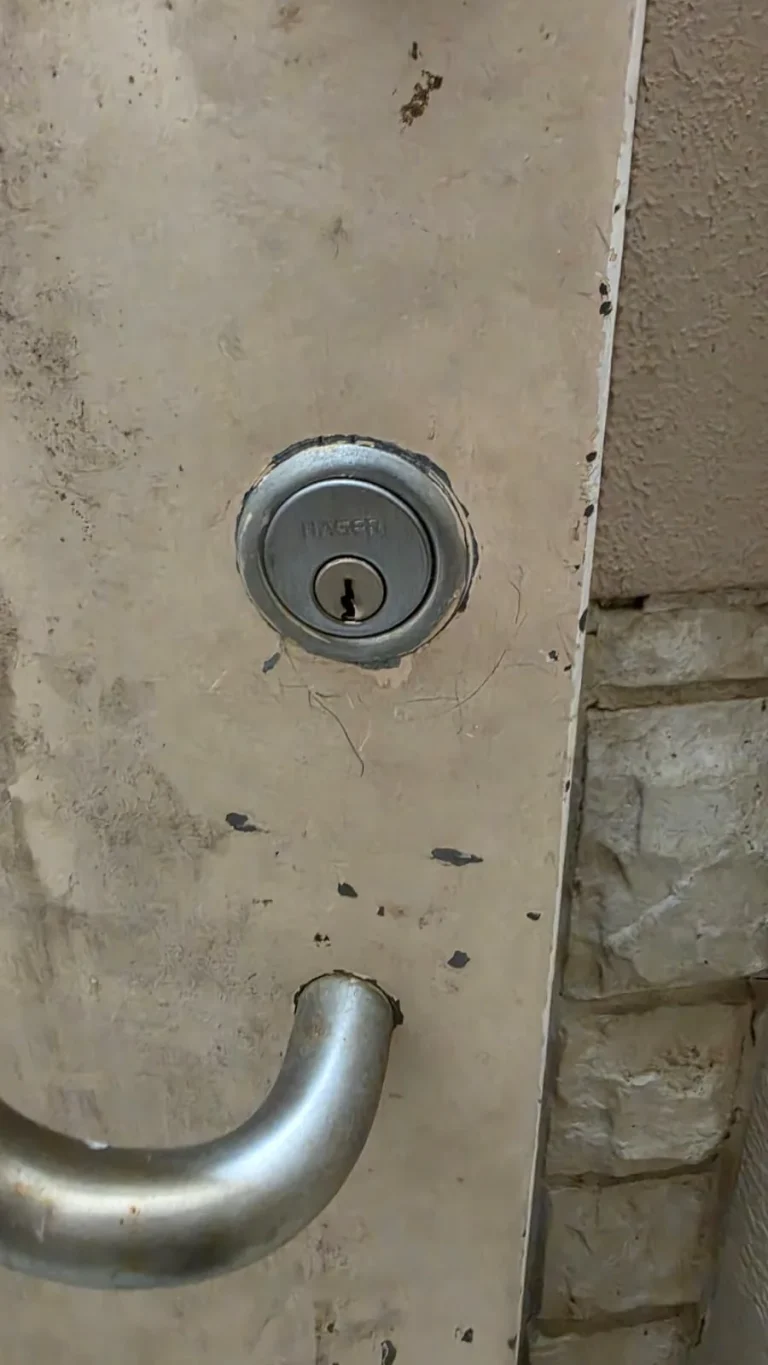
A failing lock does not always need to be replaced. Learn when a door or lock repair may solve the problem, when replacement fits better, and when rekeying protects your home.