Home Security Planning
New Home Lock Change Checklist for Cypress Homeowners
Moving into a home often means more keys have existed than you realize. Here is a practical way to organize your first lock and key decisions.
License Number: B31188601
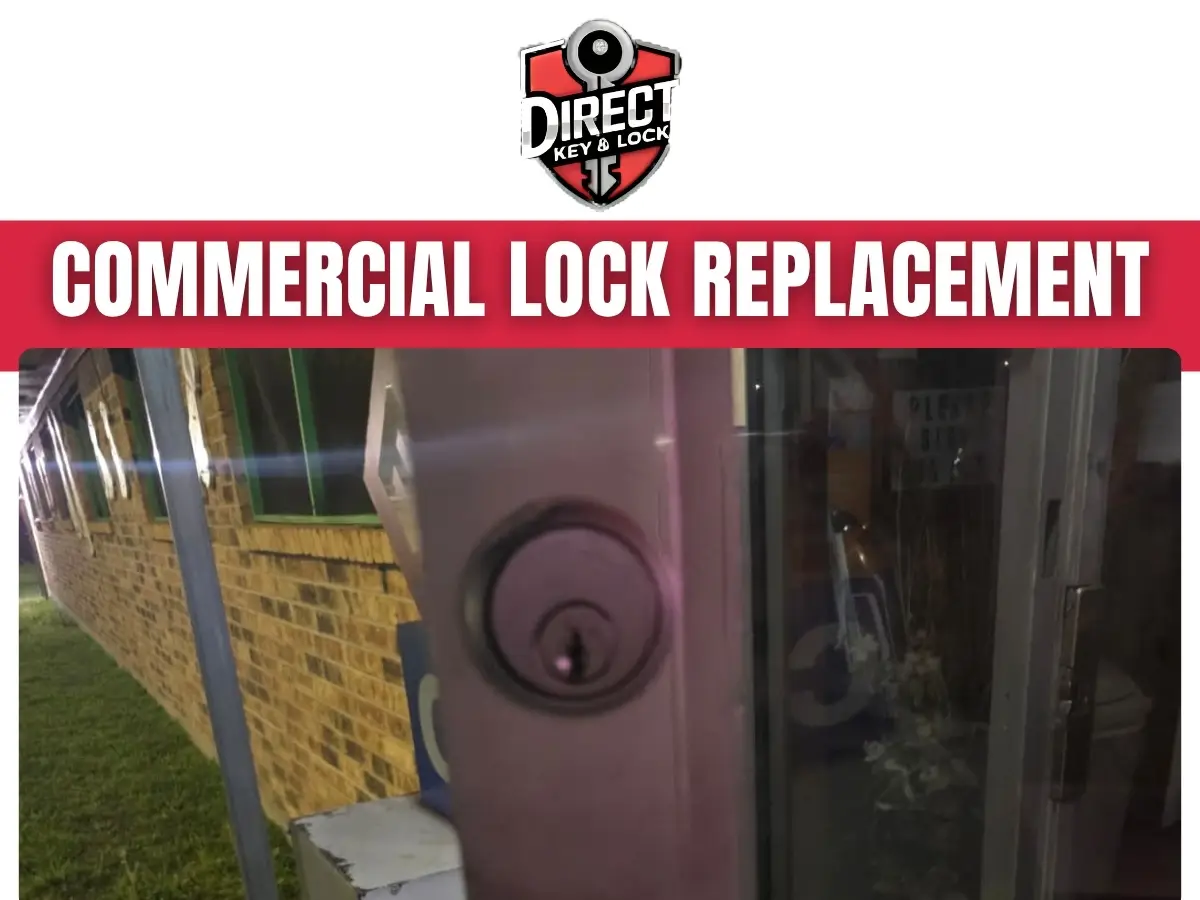
Commercial lock replacement in Cypress replaces worn, damaged, or unsuitable business locks with hardware that fits your doors and access needs. Direct Key & Lock helps business owners in Cypress, TX, review lock problems, choose suitable replacements, and check door operation so employees can enter and exit properly.
A lock should do its job without becoming a daily project. If your staff must lift the handle, pull the door, and wiggle the key, something needs attention.
We focus on the lock, the door, and how your business uses that entrance. Call (346) 412-0490 or visit Direct Key & Lock to discuss your commercial lock replacement needs.
Commercial lock replacement is appropriate when existing hardware is damaged, unreliable, or unsuitable for the door’s use. Changing keys alone cannot correct a worn latch, cracked housing, or broken internal mechanism.
Watch for changes that make entry harder or leave the door uncertainly secured. A key that turns does not always mean the latch has fully engaged.
Does your closing routine include checking the same door three times? That is a useful reason to have the complete opening inspected.
Replacement changes lock hardware, while rekeying changes which key operates a compatible existing cylinder. The right choice depends on the lock’s condition and why you need a change.
If an employee leaves with a key, a sound lock may only need rekeying. If the cylinder is damaged or the mechanism is worn, replacement may be the more practical route.
Replacing every lock is not always necessary. We can discuss the affected doors and help separate key-control concerns from hardware problems before you decide what to change.
A replacement lock works properly only when the door, frame, and related hardware support correct operation. A misaligned opening can make a sound lock feel broken.
Loose hinges, a shifting frame, or an incorrectly adjusted closer may prevent the latch from meeting the strike. Addressing that condition matters, since replacing the lock alone can leave the original problem unresolved.
We look at how the door moves, closes, and latches during normal use. We also check whether someone must force it into position before the key will turn.
In Cypress, Texas, exterior entrances face heat, moisture, and frequent use. These conditions can affect door operation, but the cause still needs inspection rather than guesswork.
Tell us whether the problem changes during the day. That detail can help identify an alignment issue that is less obvious during a single test.
The correct replacement depends on the door material, existing preparation, lock function, and traffic through the opening. Commercial doors do not all accept the same hardware.
Glass storefront doors often use narrow-frame lock systems. Wood and hollow metal doors may use cylindrical locks, mortise locks, or other hardware with different mounting requirements.
Hardware should suit how the room is used, not just fit the holes. A storage room, office, and public entrance may need different lock functions.
Our commercial lock replacement in Cypress service starts with these practical differences. A close visual match is not enough if the replacement operates incorrectly.
A useful access plan gives appropriate access to employees without handing every person a key to every room. Replacement work is a good time to review those boundaries.
Think about who opens the building, who closes it, and who needs access outside normal hours. Then consider rooms containing inventory, files, equipment, or business records.
Who can enter your stockroom today? If the answer involves a guess, your key records need attention alongside the hardware.
We can discuss compatible keying arrangements during planning. Shared keys and master key systems require a clear access plan rather than a last-minute decision.
Lost keys and changes in occupancy call for a review of who may still have access. Lock replacement may be appropriate when those concerns overlap with worn or unsuitable hardware.
A new tenant may inherit several keys without knowing what each operates. Former staff, cleaning crews, vendors, or prior occupants may also hold copies.
Start by checking the lease and confirming who can authorize changes. Shared entrances and managed properties may have keying requirements that affect your choices.
Do not assume a newly occupied space has newly controlled access. A key review can uncover gaps before they become part of your regular routine.
Lock replacement must preserve the exit function required for the opening. A door that keeps people out must still let occupants leave as required.
Panic hardware, fire-rated openings, and connected access systems need compatible replacement components. Adding a deadbolt or changing a handle function without checking the opening can create a safety concern.
We review the existing setup before recommending changes. If the work involves building-specific requirements, coordination with property management or the appropriate authority may be needed.
Never chain an occupied building’s exit or add improvised hardware to stop a troublesome latch. Keep the exit usable and report the defect promptly.
If people cannot leave through a required exit, treat that as an immediate safety issue. Security upgrades should not turn the way out into a puzzle.
Our replacement process begins with understanding the problem and ends with checking how the new hardware works. The goal is a lock that suits both the opening and your daily routine.
Tell us about intermittent problems before testing begins. A lock that behaves during a visit may still have a history worth investigating.
Doors with electronic access need a compatibility review before mechanical components are replaced. The lock may interact with an electric strike, reader, door sensor, or other connected equipment.
If your business uses cards, fobs, or keypad entry, mention that during the first call. Also explain whether the problem involves the credential, powered hardware, or the mechanical key override.
A mechanical replacement does not automatically include changes to access software or user permissions. Those responsibilities should be confirmed before work begins.
Keep contact information for your access-system provider or building manager nearby. Coordination may be necessary to preserve the intended entry and exit functions.
Do not disconnect wires or change power settings to troubleshoot a sticking door. What looks like a lock problem may involve more than the visible handle and cylinder.
Replacement timing depends on hardware compatibility, door condition, access approval, and the number of openings involved. An accurate time estimate requires those details.
A standard compatible replacement may involve fewer steps than work on a damaged frame or connected entrance. Unusual hardware and restricted building access can also affect scheduling.
Commercial lock replacement in Cypress should fit a workable plan for your business. We discuss access needs before the entrance is taken out of normal use.
Avoid promising staff a fixed completion time before the opening has been reviewed. A little planning helps prevent a crowd from gathering at the wrong door.
Clear access and accurate information help the commercial locksmith visit stay focused on the replacement. You do not need to remove the lock or take the door apart.
Gather details about the problem, including when it occurs and what staff do to get the door working. Photos of both sides of the lock and the door edge may help with the initial discussion.
Keep customers away from the immediate work area without blocking required exits. If the lock was damaged during an incident, document its condition and follow any reporting instructions before altering it.
Stop forcing a lock when the key, handle, or latch needs unusual pressure. Continued force can break a key or damage components that were still usable.
Do not use pliers to turn a key, strike the cylinder, or drill the lock yourself. These actions can damage the door and make the replacement more involved.
If the door cannot be secured, follow your business’s security procedure while arranging help. Do not rely on tape, a chair, or an employee’s foot as an overnight locking system.
Simple checks after replacement help you spot changes before they interrupt business. The door should close, latch, and operate without lifting, slamming, or repeated key attempts.
Ask the people who open and close the building to report anything unusual. Small changes can be easier to address before staff develop a workaround.
Avoid labeling keys with the business address and door location. If a key is lost, that label can give a stranger more information than necessary.
Keep spare keys in a controlled location. The break room drawer is convenient, but it is not much of an access policy.
Different business spaces need different lock functions and access routines. A retail entrance, office corridor, warehouse door, and leased unit should not receive identical recommendations without a review.
For a storefront, customer entry and closing procedures may guide the choice. For an office, separating employee access from private rooms may matter more.
Warehouses may have doors exposed to frequent deliveries and rough handling. In leased Cypress properties, owner approval and shared key systems may shape the work.
We ask about these conditions because daily use matters as much as the hardware itself. Direct Key & Lock focuses the discussion on what each opening needs to do.
Tell us which problem causes the most disruption. That gives us a practical place to begin when several doors need attention.
Direct Key & Lock helps you plan commercial lock replacement around your doors, key control, and business routine. Start with the entrance that sticks, the hardware that is damaged, or the access arrangement that no longer works.
For commercial lock replacement in Cypress, have your location, door type, and main concern ready when you contact us. Mention missing keys, exit hardware, electronic access, or property-management approval needs.
We can discuss the next step and what information is needed before the work. You do not need to know the lock model to begin the conversation.
Call (346) 412-0490 or contact us to discuss lock replacement for your business in Cypress, TX. Let us know what the door is doing and how you need it to work.
Commercial lock replacement involves removing an existing business lock and installing a replacement. Direct Key & Lock provides this service.
Businesses may consider replacement when locks are worn, damaged, or no longer suitable for their access needs.
Reviewing existing locks after a move can help a business decide whether replacement is appropriate.
Replacement changes the lock hardware, while rekeying changes which key operates an existing lock.
Staff changes may prompt a review of key access and whether rekeying or replacement is needed.
Selection generally depends on the doors, how the property is used, and the business’s access requirements.
Work may temporarily affect access to the doors involved, so coordinating the timing can be helpful.
Not necessarily. The scope depends on the condition of the locks and the business’s access needs.
Tenants should check their lease and coordinate with property management before changing locks.
A business can contact Direct Key & Lock to discuss its general lock replacement needs and scheduling.
Moving into a home often means more keys have existed than you realize. Here is a practical way to organize your first lock and key decisions.
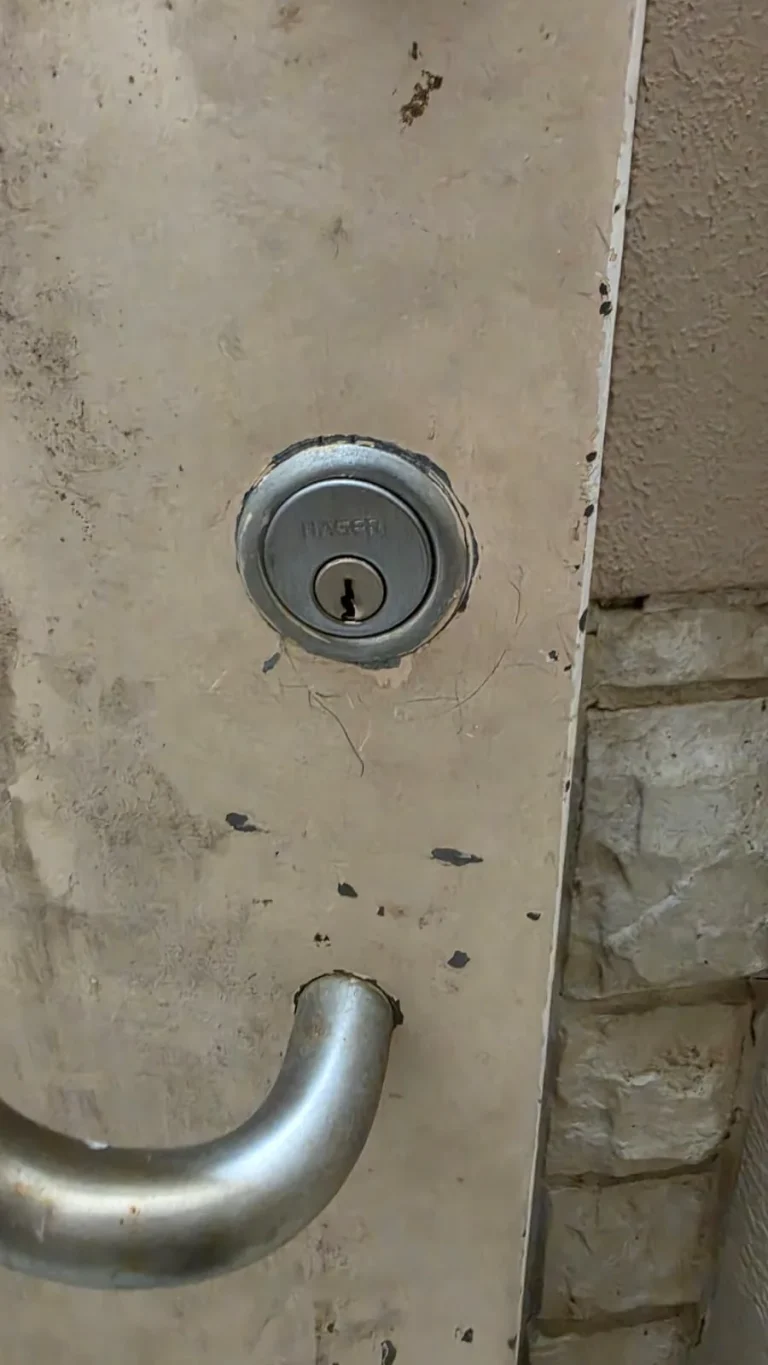
A failing lock does not always need to be replaced. Learn when a door or lock repair may solve the problem, when replacement fits better, and when rekeying protects your home.