License Number: B31188601
Home Lock Installation That Starts With the Right Fit
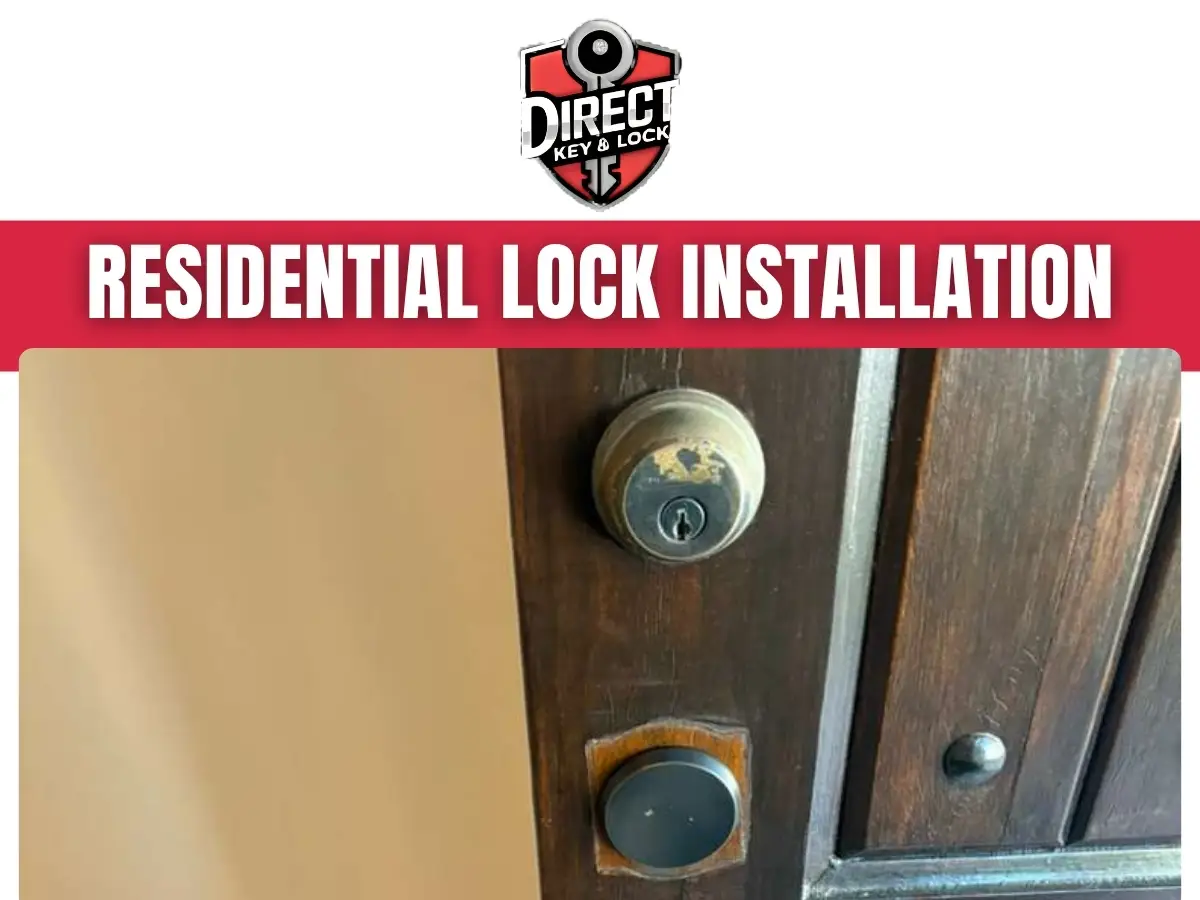
Residential lock installation in Cypress replaces worn hardware or adds suitable locks to your home’s doors. Direct Key & Lock helps homeowners in Cypress, TX choose compatible hardware, check door fit, and install locks for everyday use. We focus on practical access, proper operation, and your household’s security needs.
A new lock should do more than look good on the door. It should latch without a shove, turn without a struggle, and suit the people who use it.
Are you replacing a sticky deadbolt, updating an entry door, or changing access after a move? Call (346) 412-0490 or visit Direct Key & Lock to discuss your doors and lock options.
Residential lock installation includes fitting new locking hardware and checking how it works with the door and frame. The right lock depends on the door’s purpose, material, measurements, and existing holes.
At Direct Key & Lock, we consider the whole opening rather than just the visible hardware. A strong deadbolt cannot work properly if the bolt misses the strike opening or the frame is damaged.
Common projects include replacing an entry lock, adding a compatible deadbolt, or installing a keypad lock. Interior privacy locks can also help bedrooms and bathrooms function better.
Before choosing hardware, think about what you want to change. Better key control, easier daily entry, and replacement of damaged parts may each call for a different approach.
A new lock may be appropriate when existing hardware is damaged, unreliable, or no longer suited to your household. Changing who can enter the home is another reason to review your locks.
Does the key turn only after you pull hard on the door? That can point to alignment trouble rather than a failed lock, so inspection comes first.
A lock should not require a special wrist motion known only to the family. If normal operation takes tricks, have the hardware and door checked.
A lock can bind because of door movement, hinge wear, weatherstripping pressure, or a poorly positioned strike plate. Replacing the lock alone may leave the original problem untouched.
Cypress homes experience heat and humidity that can affect some doors and frames. Wood may swell, while loose hinges can let a door sag enough to shift the latch.
Paint buildup can also reduce clearance around hardware. Thick replacement weatherstripping may push the door away from its normal closed position.
We check whether resistance comes from the lock mechanism or the door opening. If the frame has rot, cracks, or major movement, separate door or frame work may be needed before installation.
Avoid forcing the key or slamming the door repeatedly. Those habits can bend keys, loosen screws, and place more strain on the hardware.
The best lock choice balances the door’s security role with convenient, practical use. A front entrance, bedroom door, and garage entry do not all need the same hardware.
Start with the door you use most often. Think about carrying groceries, helping children inside, and giving access to someone checking on the house.
A properly fitted deadbolt adds a locking point that operates separately from a standard spring latch. Its value depends on compatible hardware, sound mounting, and a suitable frame connection.
The bolt should extend fully without rubbing or requiring pressure on the door. A blocked bolt opening can prevent proper engagement even when the thumb turn appears nearly closed.
We also consider how someone will exit from inside. Any lock choice should support a practical exit without creating an avoidable obstacle.
Entry knobs and levers combine a handle with a locking function for routine door use. They should match the door preparation and work comfortably for household members.
Levers can be easier to operate for people who find gripping a round knob difficult. Check clearance around nearby trim, storm doors, and existing deadbolts before selecting a handle.
For an exterior entrance, discuss whether a separate deadbolt belongs in the setup. A matching finish is useful, but proper function comes first.
A compatible keypad lock lets household members enter with a code rather than passing around a physical key. Features vary, so compare actual functions before choosing a model.
Some locks work without an internet connection. Others offer app access, activity records, or temporary codes, which may require extra equipment or a compatible connection.
Check battery requirements, backup entry methods, and exposure limits for the specific product. A keypad still needs accurate alignment, since the motor should not fight the door every time it locks.
Bedroom and bathroom privacy locks provide basic privacy rather than exterior entry protection. Many include an outside release method for situations where someone needs help.
Choose hardware that household members can operate comfortably. Consider children, older adults, and anyone who may need assistance.
Interior locks should latch properly without making the door difficult to open. They are not substitutes for suitable exterior locking hardware.
Installation changes the hardware, while rekeying changes which key operates a compatible existing lock. The better option depends on the hardware’s condition and your access goals.
If you recently moved into a Cypress home, you may not know who has copies of the current keys. Working locks may only need a key change, while damaged or unsuitable hardware may need replacement.
Want several doors to use the same key? That may be possible when the lock brands, keyways, and cylinders are compatible.
Residential lock installation in Cypress should begin with the problem you want solved, not an automatic hardware swap. We discuss whether new locks make sense or whether another lock service better addresses your concern.
Our installation process begins with the door and ends with hands-on operation checks. We look for conditions that could interfere with the new hardware before treating the job as complete.
Testing with the door closed matters. A lock may feel smooth while open but bind once the bolt meets the frame.
A lock must match the door’s dimensions and preparation to fit correctly. Similar-looking products can have different mounting requirements.
Backset is the distance from the door edge to the center of the main lock hole. Door thickness, cross-bore size, and spacing between existing holes also affect compatibility.
Before purchasing hardware, gather these details if you can do so safely.
Not sure how to measure? Photos can help start the discussion, but an on-site check may still be needed.
Avoid drilling new holes based only on the product’s appearance. An incorrect hole can limit replacement options and leave visible damage.
A straightforward replacement usually involves fewer steps than adding a lock to an unprepared door. The actual work depends on what we find during inspection.
Existing holes may fit the new hardware, or they may need adjustment. Older doors can also have uneven openings, stripped screw holes, or marks hidden under large trim plates.
Tell us about known door problems when you call. That helps us discuss the likely scope without guessing from the lock’s appearance alone.
An exterior lock works as part of a door system that includes the frame, hinges, strike plate, and door panel. Weak or damaged components can limit the benefit of new hardware.
We look at how the latch and deadbolt connect with the frame. Suitable strike hardware and fastening depend on the door construction and conditions behind the trim.
A rear door exposed to weather may need different hardware considerations than a sheltered front entrance. Sliding patio doors also use different mechanisms from standard swinging doors.
Glass near a lock requires careful thought about both entry resistance and safe exit. Discuss the opening before choosing a lock that requires a key from inside.
No single lock makes a home secure against every threat. The practical goal is a sound installation that works with the rest of the opening.
You can help the installation visit go smoothly by making the work area accessible and gathering current keys. Small preparation steps keep attention on the door and hardware.
If you are not the property owner, confirm permission before changing locks or drilling. Renters and residents with shared entrances may need approval from the responsible property contact.
Have another usable entrance if possible. The door being worked on may need to stay open during portions of the visit.
New locks benefit from gentle operation, occasional checks, and product-specific care. A change in how the lock feels is worth checking before it becomes a lockout problem.
Try the handle and deadbolt with the door closed. You should not need to lift the handle, lean into the door, or pull sharply to turn the lock.
Avoid spraying random household products into the keyway. Some products can attract debris or conflict with the manufacturer’s care instructions.
The right lock setup depends on your daily routine, not just the number of doors in your home. In Cypress, Texas, that may include a busy front entrance, a frequently used garage entry, or a rarely opened back door.
If family members usually enter through the garage, give the connecting house door proper attention. Convenience should not leave that entrance with worn or poorly fitted hardware.
For a recent move, review every exterior lock rather than changing only the front door. Side entries and back doors can still accept old keys.
Do relatives or household helpers need occasional entry? Compatible keypad features may help manage access without making extra keys, but code sharing still needs sensible limits.
During a remodel, coordinate lock selection with the new door’s specifications. Confirming fit early can prevent an attractive handle from becoming a very decorative paperweight.
Direct Key & Lock helps Cypress homeowners choose and install locks based on door condition, access needs, and daily use. We explain practical options so you can make an informed choice without guessing about fit.
Residential lock installation in Cypress can address worn hardware, support a door update, or change how your household enters the home. Start by telling us which doors need attention and what is not working now.
Call (346) 412-0490 or contact us to discuss residential lock installation in Cypress, TX. If you already have a lock in mind, have the model information ready so we can talk through compatibility.
Residential lock installation involves fitting locks to doors in a home. Direct Key & Lock provides this service.
Moving into a home, replacing worn locks, or updating door hardware are common reasons to consider new locks.
Common options include deadbolts, knob locks, lever locks, and electronic locks.
Consider the door type, how the door is used, and your household’s access preferences.
Existing doors may accommodate new locks, depending on their condition and compatibility with the chosen hardware.
Installation adds or replaces lock hardware, while rekeying changes which key operates an existing lock.
Electronic locks may be an option, depending on the door and your preferred way of managing access.
A move is a useful time to review existing locks and consider who may still have access.
Keep the area around the door accessible and be ready to discuss your lock preferences.
You can contact Direct Key & Lock to discuss residential lock installation for your home.