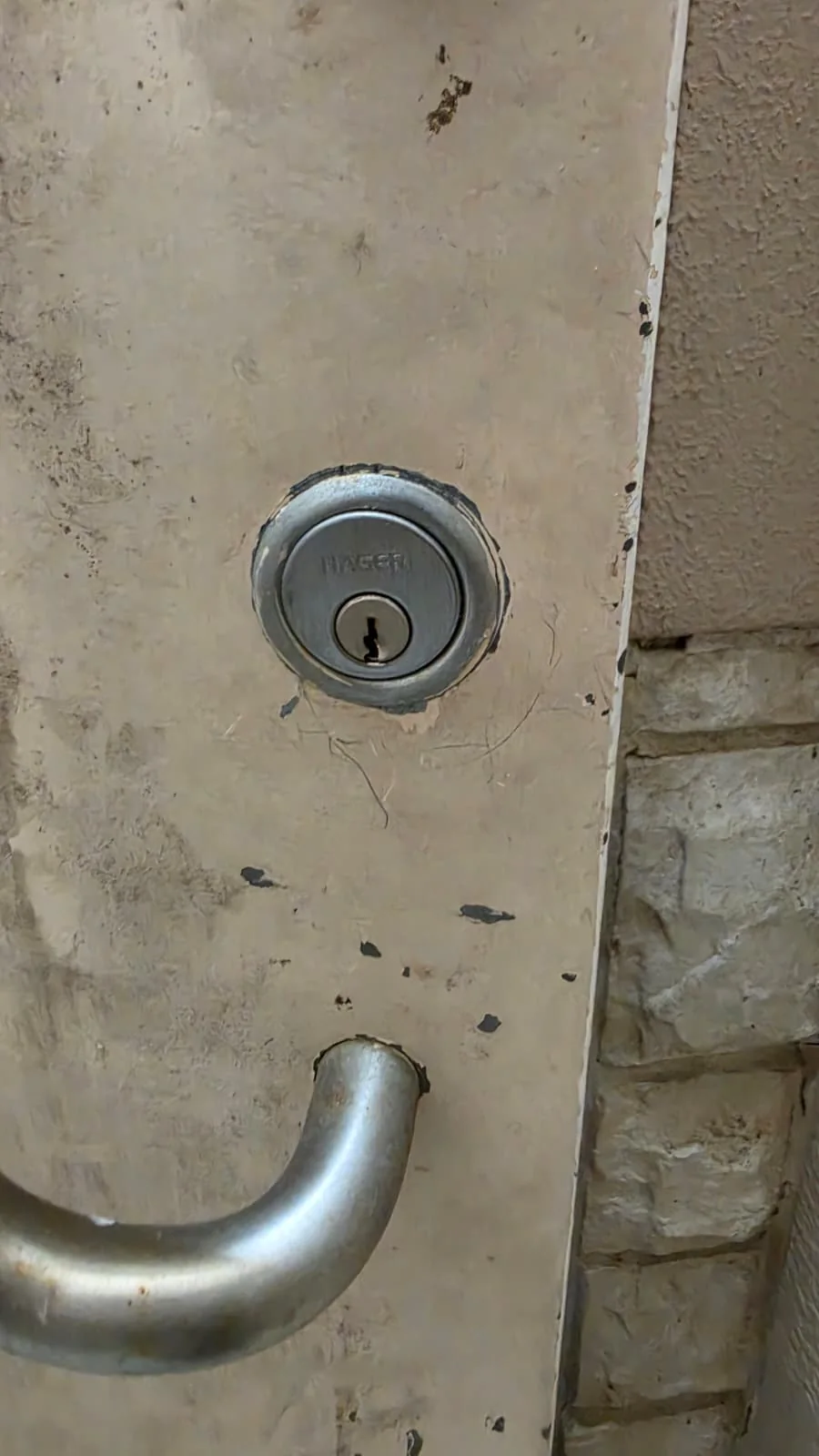
Put every exterior door at the top of your new home lock change checklist. Rekey or replace the front, back, side, basement, garage-to-house, and storage-building door locks so keys from before your move no longer work. The Associated Locksmiths of America says to rekey as soon as possible after taking possession. Then reset electronic access and decide which working locks can stay.
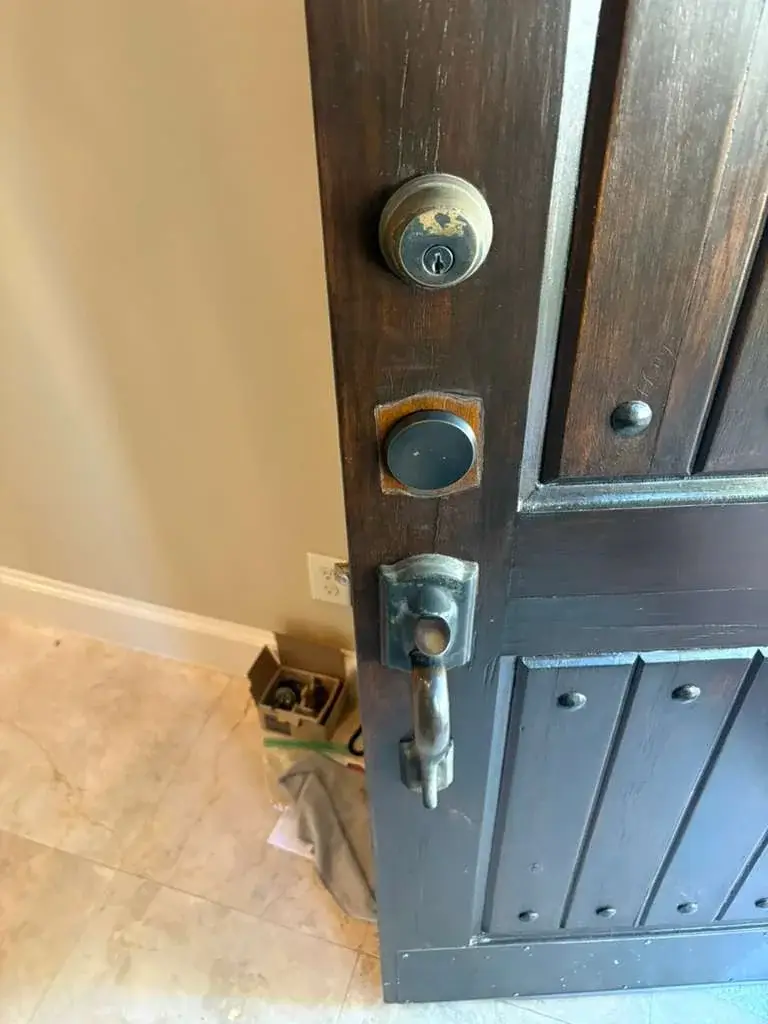
Start with every way someone can enter
The front door gets attention first, yet it may not be the only door with an old key. A former owner may have shared keys with relatives, neighbors, cleaners, repair workers, or contractors. A lockbox key may also have been used during the sale. You usually cannot know who still has a copy.
Walk the property from the outside before unpacking. Write down each door, the lock type, and whether you have a key. Open and close each door while you are there. A lock that works with the door open can stick when the door is shut.
Check these doors first
- Front entry door and any storm or security door
- Back and patio doors with keyed locks
- Side doors, including a door by a utility room
- Basement exterior doors
- Door between the attached garage and the house
- Detached garage, shed, workshop, or storage-building doors
- Gate locks that use a key and give access to the yard
Do not count a door out because it is rarely used. The garage and storage buildings belong in the review too, according to the Associated Locksmiths of America.
Choose rekeying when the existing lock is worth keeping
Rekeying changes the working key inside the lock while leaving the outside hardware in place. It can be a practical choice when the lock is in good shape, fits the door correctly, and meets your needs. The old key will no longer operate that rekeyed lock.
This route can also simplify your key ring. If suitable locks can be set to work with the same new key, you have fewer keys to sort through. A locksmith needs to inspect the hardware before confirming what can be rekeyed together.
This Old House explains that rekeying keeps the existing hardware while making prior keys obsolete. That distinction matters when you like the lock’s look and its operation but do not know where old copies went.
Use this quick rekeying check
- The latch catches without pushing, lifting, or pulling the door
- The key goes in and turns without a struggle
- The deadbolt extends fully into the frame
- The lock does not feel loose or move in the door
- You are comfortable keeping the hardware style and key setup
A yes to each point points toward rekeying as a question worth asking. A problem with any point may call for a closer look at the lock, strike plate, door, or frame.
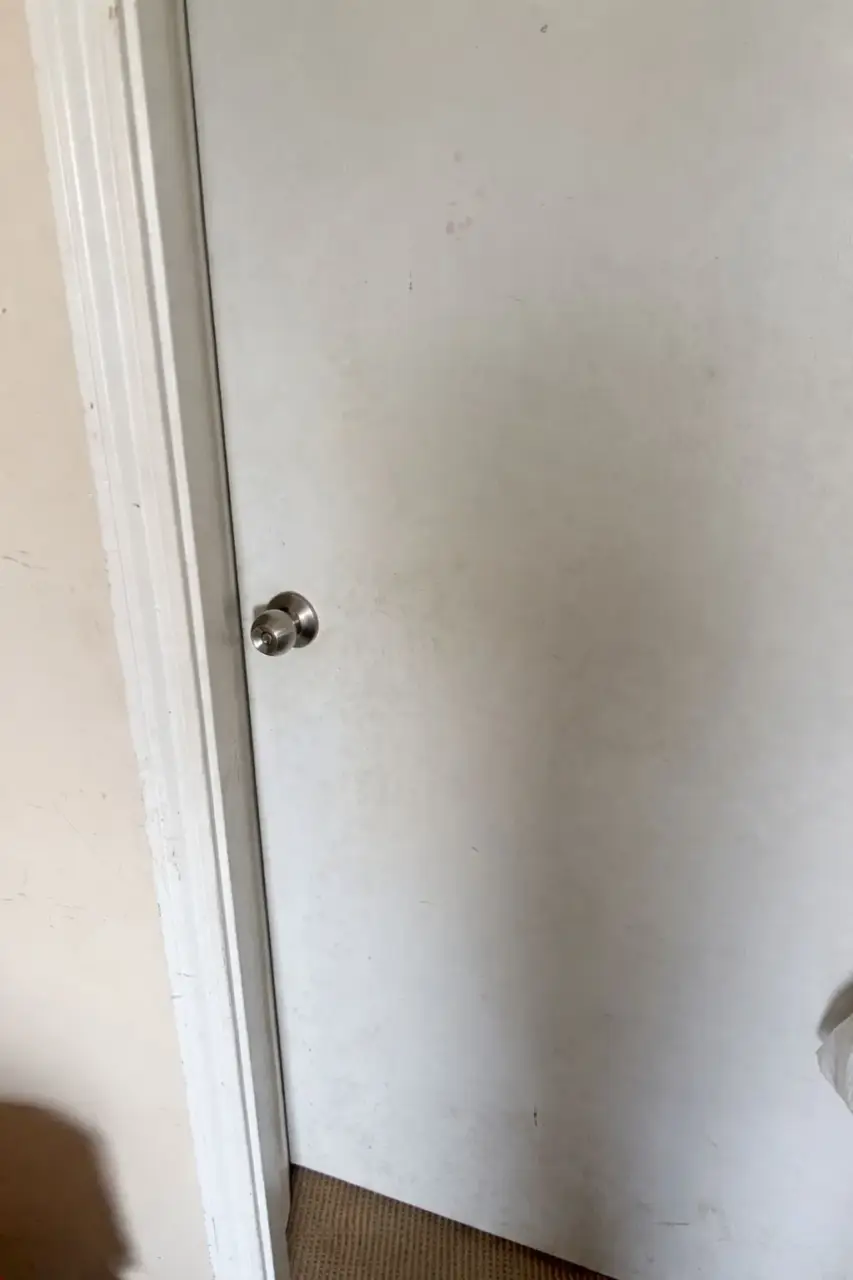
Replace locks that show wear or do not fit the door
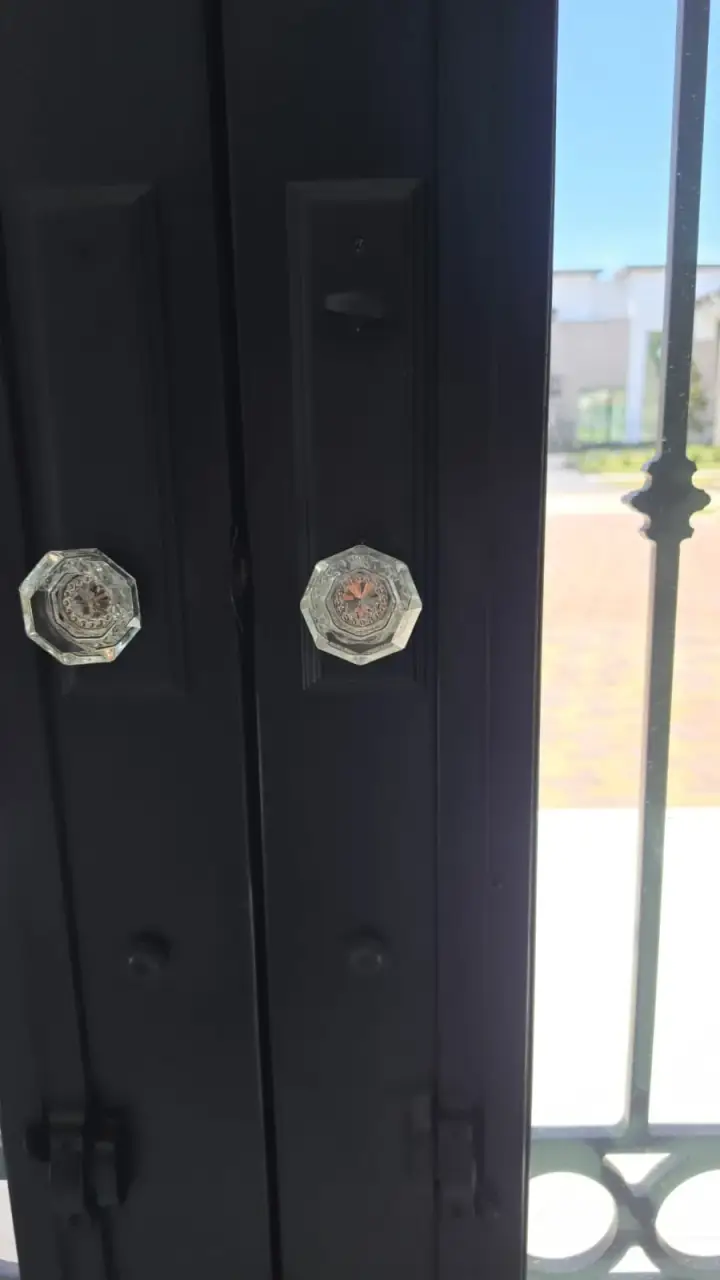
Replacement changes the lock hardware itself. It makes sense when a lock is damaged, worn, poorly fitted, or not the type you want on that door. It is also the point to consider a different keyed setup, a digital lock, or hardware made for the way the door is used.
Look closely at the deadbolt, latch, screws, and the metal plate on the frame where the bolt enters. Watch for obvious damage, missing parts, rust, a deadbolt that fails to reach the frame, or a door that will not lock without force. Do not force a sticking lock. Forcing it can leave you with a door that will not secure or open.
Replacement is not automatically better than rekeying. The right choice depends on the condition of the current lock, the door construction, and how you want keys and access managed. A walk-through keeps you from replacing hardware that still fits the job or overlooking a lock that needs more than a new key.
Reset garage and digital access after the key work
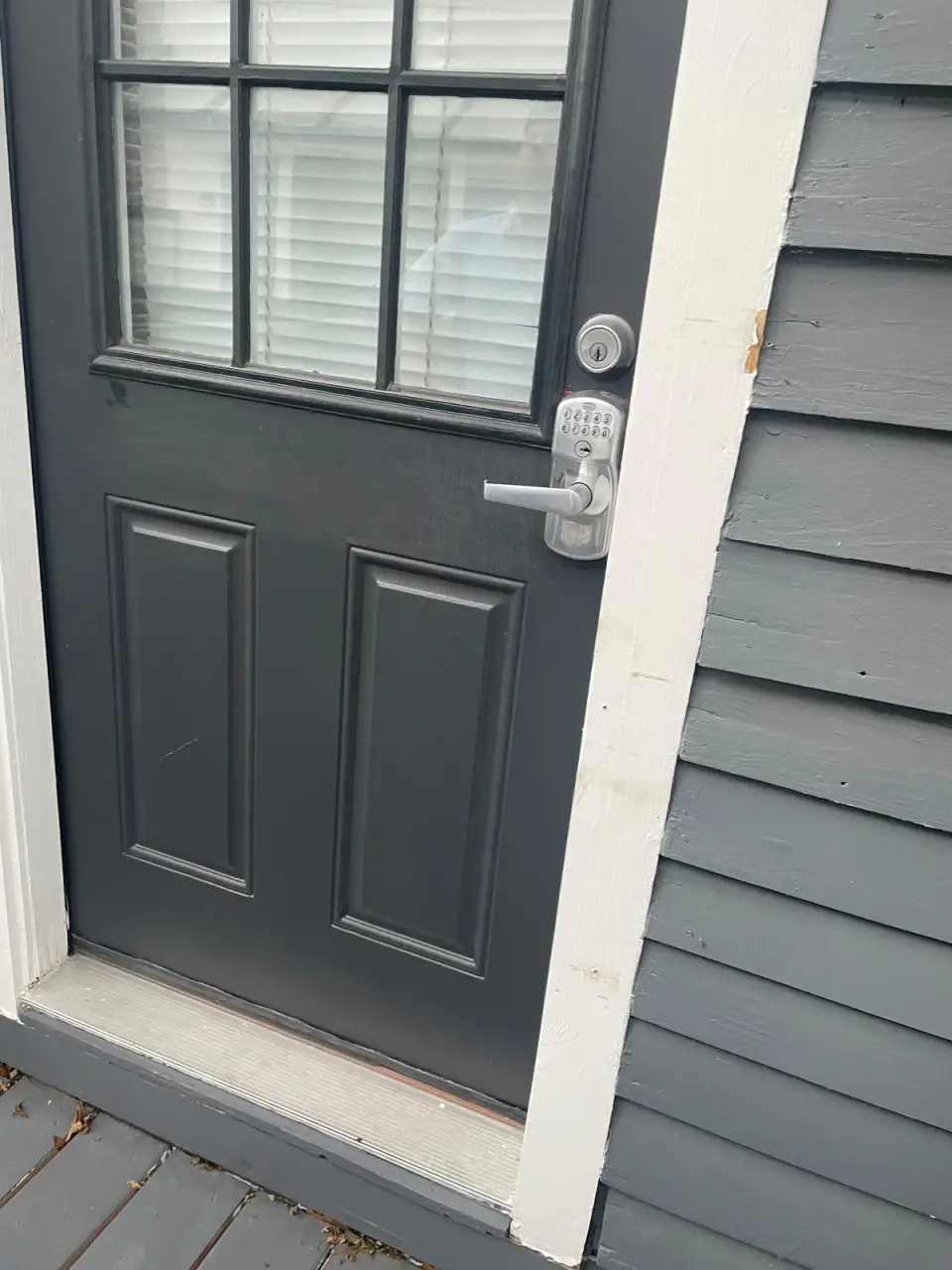
Physical keys are only part of the handoff. If the home has a garage-door opener, clear old remotes and program the remotes you plan to keep. Lowe’s includes changing locks and reprogramming the garage-door opener on its new house checklist.
For a garage keypad, replace the existing entry code. Do not choose an address, birthday, or simple run of numbers. Keep the new code in a secure place until everyone in the household knows it.
If there is a smart lock, check the lock’s app and instructions for its reset process. Remove former user access, change the account password if needed, and add each current user separately. A smart lock may have a physical backup key, so include that cylinder in your decision instead of assuming the app reset changed it.
Make a short access list
Before changing codes or handing out keys, decide who needs access and why. A short written list prevents spare keys and codes from drifting to people who no longer need them.
- Household members who need their own key or code
- A trusted emergency contact, if you choose to give one access
- A recurring service provider only when ongoing access is needed
- Property management contacts, if they remain involved after closing
When a person no longer needs access, collect the key or remove the code. A separate code for each regular user can make later changes simpler when the lock supports it.
Bring the right information to a lock appointment
A little preparation helps keep the review focused. Gather every key, remote, keypad instruction sheet, and smart-lock account detail you received at closing. Put them in an envelope or labeled bag. Do not leave them in a vehicle while you are moving.
Next, count exterior doors and secondary buildings. Take clear photos of each lock and of any damage or poor door alignment. Note whether you want a single key for several doors or separate keys for different areas. If you have a new build, ask the builder whether any temporary construction key system was used and whether all handoff keys were provided.
Tell the locksmith which doors you want reviewed, rather than asking only about the front door. Direct Key & Lock lists residential rekeying, lock installation, digital locks, and restricted-key services among its Cypress services. For an organized first step, request residential lock rekeying and ask which existing locks are suitable to keep.
Set up keys so daily life stays simple
Once the locks are changed, label spare keys by purpose instead of by address. A label such as “garage side door” is safer than a tag with your street number. Keep only the keys you need on your daily ring.
Choose a storage spot inside the home for spare keys, remotes, and lock paperwork. Keep it away from doors and windows. If you give a spare key to a trusted person, write down who has it. That note is useful if you later rekey after a lost key or a change in who needs access.
Test every new key before the appointment ends. Lock and unlock each door from both sides where the door design allows it. Test the garage remote and keypad after they are programmed. Ask about any key that feels different from the others while the hardware can still be checked.
Questions homeowners often ask
Should I change interior door locks after moving in?
Interior locks are usually a lower priority than exterior entry doors. Review them if a room contains items you want secured, if an interior key is missing, or if you want a different privacy setup. Check closet, office, and bedroom locks only after the exterior access points are handled.
What should I do if I do not have a key for a shed or garage?
Do not try to force the lock or use a random key. Tell the locksmith which door has no key and whether the building is attached or detached. The lock can then be assessed for the proper next step, which may differ based on its condition and hardware.
Can I wait until after unpacking to deal with the locks?
You can decide how to schedule the work, yet exterior access is best handled early because old copies may exist outside your control. Put key and access changes ahead of projects that do not affect who can enter the home.
What paperwork should I keep after locks are rekeyed or replaced?
Keep the receipt, key count, hardware instructions, smart-lock reset details, and the names of people holding spare keys. Store that information with your home records so it is available if you need another copy or need to update access later.
Ready to make a clear plan for your new Cypress home? Contact Direct Key & Lock for residential rekeying or lock installation at (346) 412-0490 and describe the doors, garage access, and secondary buildings you want reviewed.