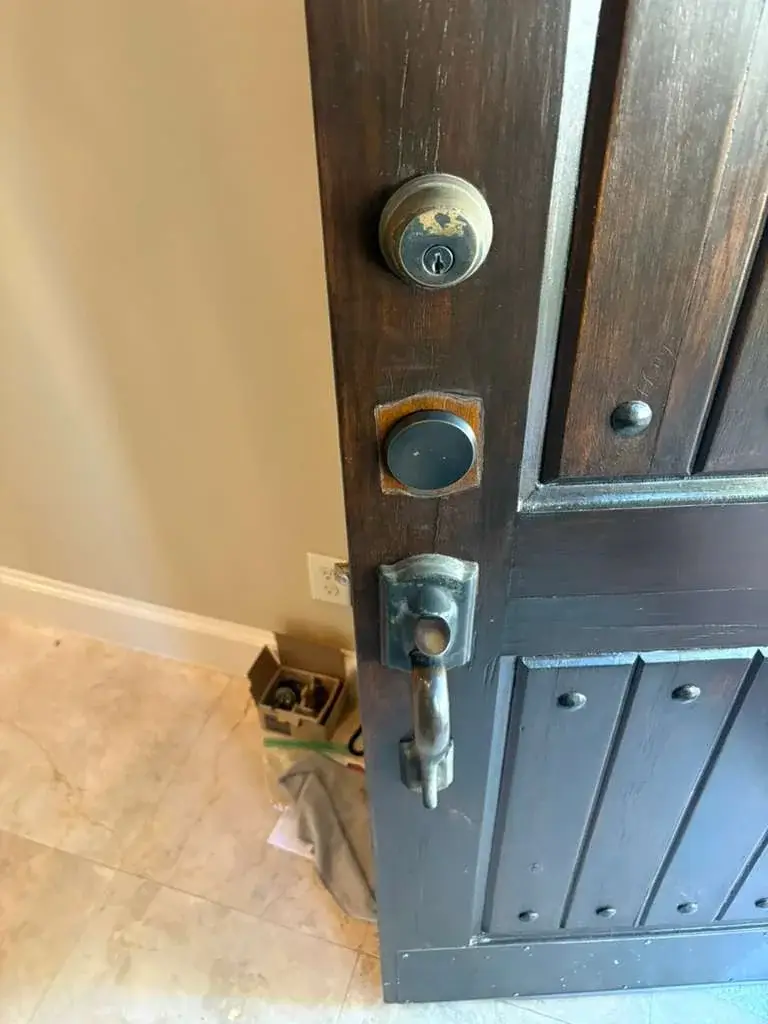
Home Security Planning
New Home Lock Change Checklist for Cypress Homeowners
Moving into a home often means more keys have existed than you realize. Here is a practical way to organize your first lock and key decisions.
License Number: B31188601
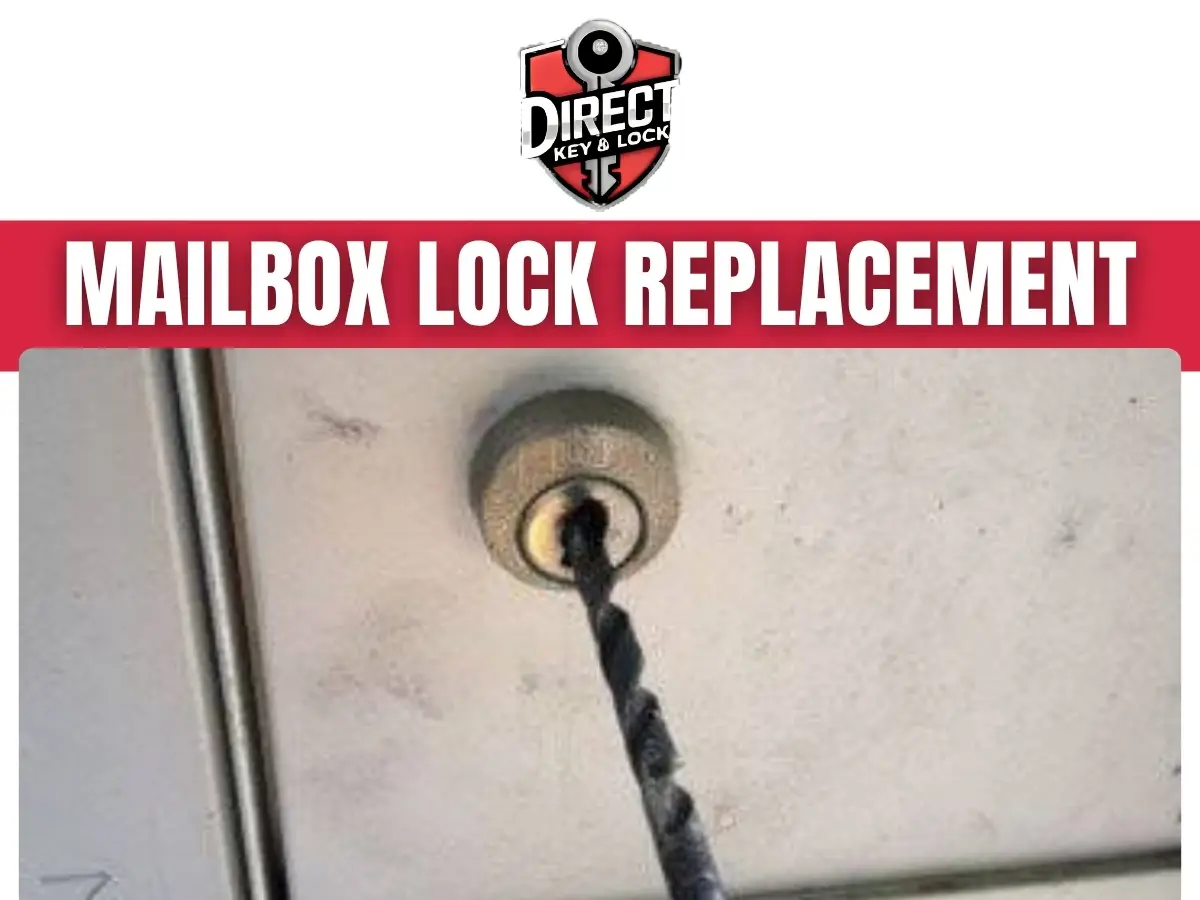
Get Back Into Your Mailbox With a Properly Fitted Lock
Mailbox lock replacement in Cypress replaces a worn, damaged, or missing-key lock so you can access your mail again. Direct Key & Lock helps Cypress, TX residents confirm who controls the mailbox, select a compatible replacement, and check that the new lock and keys work correctly.
A mailbox problem can interrupt your whole day. Bills, checks, personal letters, and small packages may be sitting behind a door that refuses to open.
Have you lost your only key, or does the lock keep sticking? Call (346) 412-0490 or visit Direct Key & Lock to discuss your mailbox and the next step.
Mailbox lock replacement changes the locking hardware while keeping a usable mailbox body and door in place. This is often the right approach when the key is missing, the cylinder is worn, or someone else may still have access.
Many mailbox doors use a small cylinder with a rotating latch, often called a cam. The correct replacement must match the door opening, hardware depth, and latch position. A lock that looks close can still fail to hold the door shut.
Our focus is the complete fit, not just whether a key turns. We check how the lock attaches, how the latch meets the frame, and whether the door closes without pressure.
A bent door or damaged frame may need separate attention. Replacing the cylinder alone will not correct every mailbox problem.

Mailbox ownership and access rules determine who can approve a lock change. Before work begins, confirm whether the mailbox is privately owned, managed by a property office, or maintained by USPS.
A mailbox at your address is not automatically yours to modify. Cluster boxes, rental properties, and shared mailrooms can have different arrangements for individual compartment locks.
We do not treat postal master locks or carrier access doors as ordinary residential locks. Those components require the proper postal channel, and a private lock change must not interfere with carrier access.
A replacement makes sense when the existing lock no longer provides dependable access or control over who holds working keys. Waiting until it stops turning completely can leave you with fewer convenient options.
Some symptoms have a simpler cause. A loose mounting clip, door pressure, or a worn key can resemble a failed lock.
We check the door and hardware before recommending a change. Your mailbox should not require a secret wrist motion every time you collect the mail.
Mailbox locks often fail because of wear, moisture, dirt, or stress from a poorly aligned door. Outdoor boxes in Cypress, Texas face rain, humidity, and repeated use that can affect small moving pieces.
A rough key can wear the cylinder over time. Pulling the door open by the inserted key can also strain both the key and the lock.
Door problems deserve equal attention when assessing lock trouble. If the frame shifts or the door bends, the latch may press against metal instead of moving into position.
Avoid repeated force if anything feels wrong. A snapped key adds another problem without solving the first.
Our replacement process starts with authorization and ends with checks of the lock, latch, and door. Mailbox lock replacement in Cypress should address the cause of the access problem, not simply swap hardware.
The work depends on the mailbox condition and the type of lock installed. A typical visit follows this sequence.
You can then try the keys yourself. That final check helps catch awkward movement before the visit ends.
The right replacement depends on the mailbox hardware, not just the shape of the key. Cylinder length, mounting style, cam shape, and rotation direction can all affect compatibility.
Privately owned roadside boxes, wall-mounted boxes, and individual compartments may use different lock assemblies. Some accept a common replacement, while others need a model-specific component.
Do not remove a working lock just to find a part number.
Photos can help us discuss the job, but an on-site inspection may still be needed to confirm the fit.
A new lock is often appropriate when keys are missing or their history is unknown. It gives you a fresh set of keys for that cylinder rather than another copy of an old key.
Did the previous resident leave only a single mailbox key? Ask the property manager whether the lock was changed before your move.
If your key disappeared, consider whether it was lost with anything that identifies your address. A missing key attached to an address tag deserves prompt attention.
Making a duplicate does not stop a missing original from working. Where the goal is to remove access through older keys, replacing the lock can address that concern.
Keep your mailbox key separate from labels showing your full address. Store a spare somewhere accessible to you, but not inside the mailbox it opens.
A broken key or jammed cylinder needs careful assessment before more pressure is applied. Depending on the damage, the problem may involve key removal, lock replacement, or correction of a binding door.
Stop turning the key if it bends or feels close to snapping. Pliers can apply more force than a small mailbox cylinder can handle.
If part of the key remains visible, leave it undisturbed and describe what happened when you call. That information helps us assess the condition before work starts.
A lock can only hold securely when the door and frame support it correctly. If the latch has nothing solid to engage, a new cylinder will not solve the closure problem.
Look at the mailbox with the door at rest. Uneven gaps, loose hinges, torn metal, or a bent latch opening can indicate damage beyond the lock itself.
During inspection for lock trouble, we check whether the door needs pushing, lifting, or twisting to close. Those extra movements can put stress on replacement hardware.
For shared mailbox units, structural work may belong to the property owner or maintenance provider. We can explain the condition we observe so you can contact the responsible party.
Do not keep bending the door back and forth. Repeated bending can weaken the metal and make a small issue harder to correct.
The time needed depends on authorization, mailbox access, hardware compatibility, and existing damage. We can discuss those factors when you contact Direct Key & Lock, rather than promise a fixed completion time without seeing the box.
A straightforward lock change differs from a locked compartment with no key and a damaged latch. An uncommon cylinder or restricted mailroom can also affect scheduling.
If access is controlled by a gate or office, arrange entry beforehand. A locked mailroom should not become the second lock problem of the day.
Good preparation for mailbox lock replacement gives us a clear view of the problem and helps avoid access delays. You do not need to dismantle the mailbox or attempt entry before the visit.
Tell us if someone has already sprayed, drilled, or forced the lock. That history can explain hidden damage and helps us approach the job with better information.
Never post photos showing readable mail, account numbers, or personal documents. A close photo of the hardware is usually more useful than a picture of the contents.
Suspected tampering calls for both hardware attention and a check for missing mail. A replacement lock can address a damaged cylinder, but it cannot recover stolen items or correct a compromised mailbox frame.
If you notice fresh pry marks, a forced door, or scattered mail, pause before changing the scene. Take photos from a safe position and avoid touching sharp or damaged metal.
A new lock is part of restoring access control, not proof that every security concern has been resolved. Keep the focus on the whole mailbox condition.
Gentle use and early attention to sticking can help protect the replacement lock. The key should move without heavy pressure, and the latch should engage without forcing the door.
Test each supplied key before storing a spare. If a key feels rough, have that checked instead of assuming it will improve with use.
If operation changes after heavy rain or an impact, note what you see. A short description of the symptom can help separate cylinder trouble from a door problem.
Mailbox lock replacement in Cypress begins with understanding your property’s access setup. A single-family home, rental property, and managed community may each have a different path for approving the same small lock change.
For a privately owned mailbox, the main questions are authorization, hardware fit, and condition. For a managed compartment, office approval and mailbox maintenance rules may need to come first.
We keep the discussion focused on what you need to know. That includes whether replacement addresses the problem, what information is needed, and whether another party controls the hardware.
Clear communication matters when your mail is out of reach. You should understand the planned work before the old lock comes out, and know how the replacement operates before we leave.
Call Direct Key & Lock to discuss a lost key, sticking cylinder, damaged lock, or move-in mailbox change in Cypress, TX. Tell us whether the box is open, who manages it, and whether you have a working key.
We can help identify the next practical step for authorized mailbox lock replacement. If postal staff or property management must handle the issue first, confirm that route before arranging private work.
Ready to stop wrestling with your mailbox key? Call (346) 412-0490 or contact us to discuss service for your Cypress, Texas property.
Mailbox lock replacement involves removing an existing lock and installing a replacement. Direct Key & Lock provides this service.
You may consider replacement if the lock is damaged, difficult to operate, or has missing keys.
Replacement may be an option, depending on the mailbox type and who is responsible for maintaining it.
Responsibility varies. It may fall to the mailbox owner, property manager, or postal provider.
Permission may be required for rental properties, shared mailbox units, or postal-managed mailboxes.
No. Mailbox locks vary, and a replacement needs to be compatible with the mailbox.
It may be worth considering if you do not know who has copies of the existing key, subject to any applicable rules.
Not always. Difficulty turning the key may have different causes, and replacement is one possible option.
Not necessarily. The lock may be replaceable on its own, depending on the mailbox’s design and condition.
Contact Direct Key & Lock to discuss mailbox lock replacement and any authorization requirements.
Moving into a home often means more keys have existed than you realize. Here is a practical way to organize your first lock and key decisions.
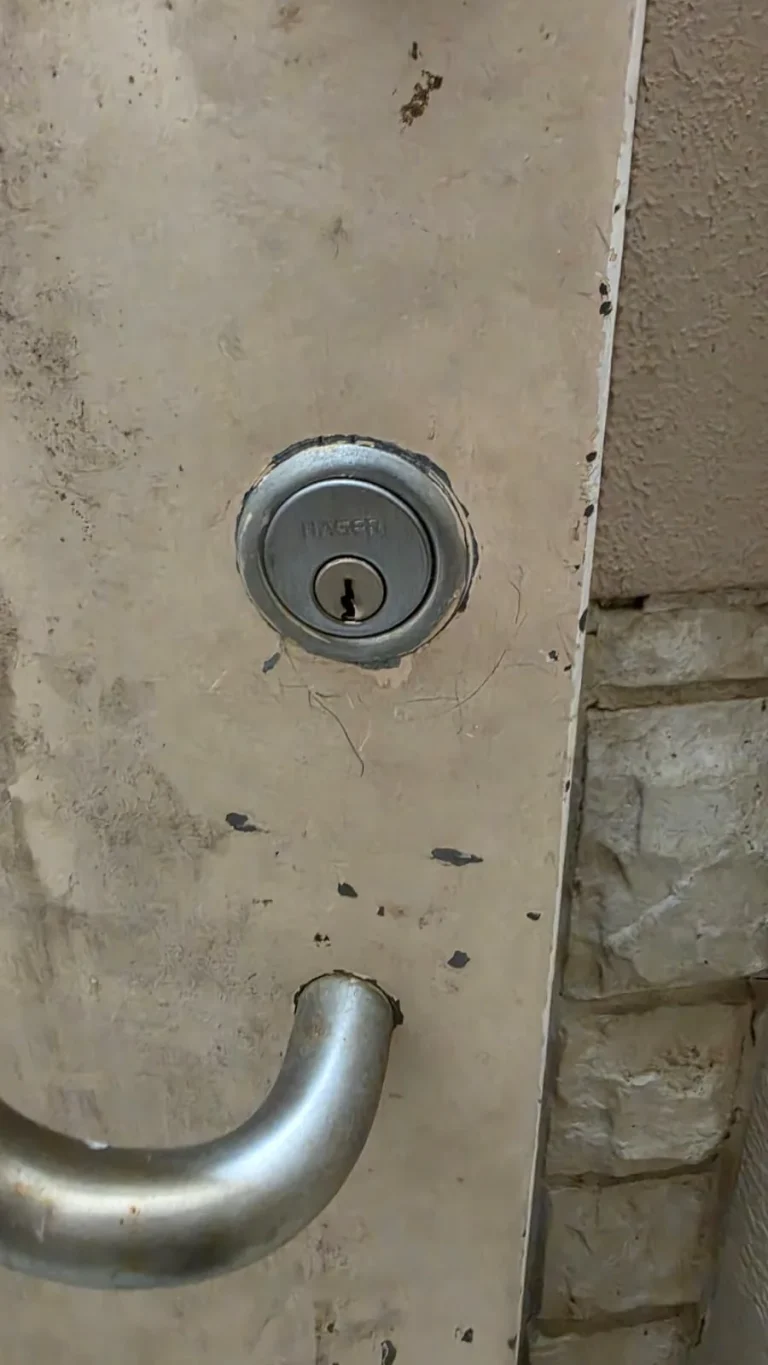
A failing lock does not always need to be replaced. Learn when a door or lock repair may solve the problem, when replacement fits better, and when rekeying protects your home.