Home Security Planning
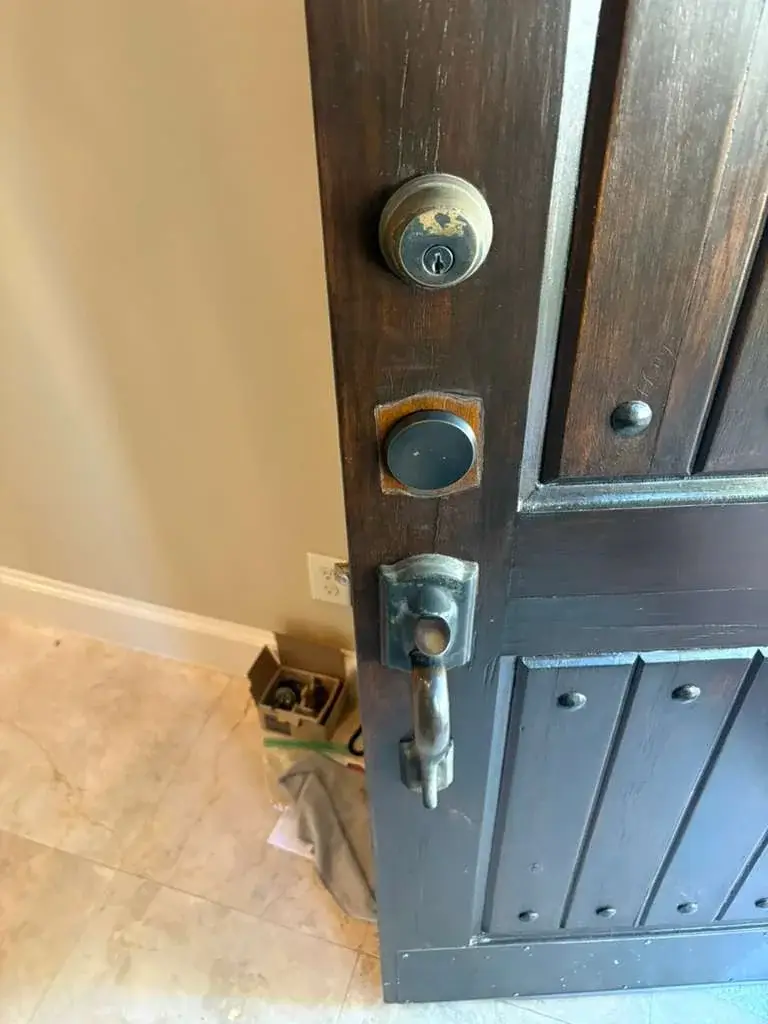
New Home Lock Change Checklist for Cypress Homeowners
Moving into a home often means more keys have existed than you realize. Here is a practical way to organize your first lock and key decisions.
License Number: B31188601
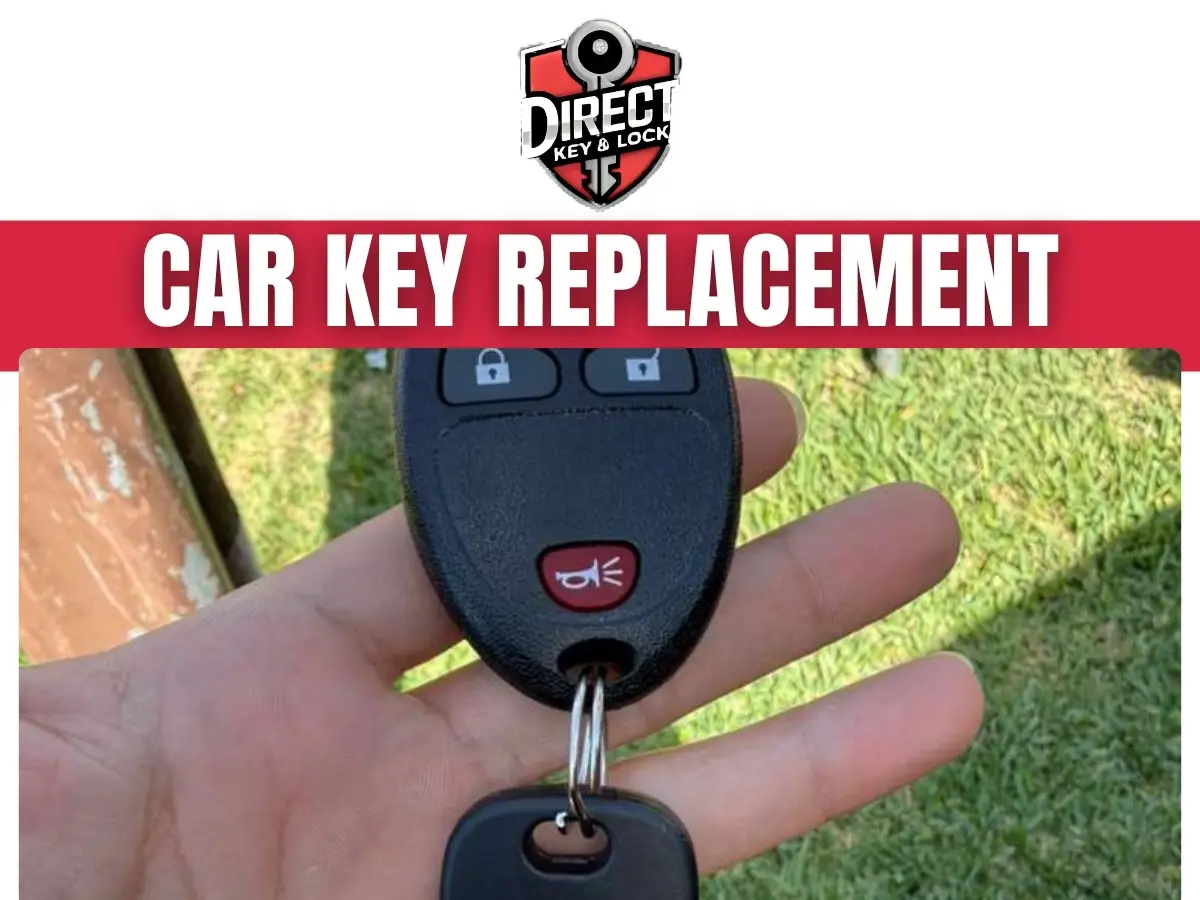
Replacement keys for lost, broken, or unreliable car keys
Car key replacement in Cypress restores vehicle access and use when a key is lost, damaged, or no longer recognized. At Direct Key & Lock, we help drivers in Cypress, TX understand their replacement options, check vehicle requirements, and choose the next step for a working key.
A missing key can interrupt a workday, school pickup, or grocery run. A damaged key can be just as frustrating, especially when it works only after several tries. The right solution depends on your vehicle and what still works.
Do you have a spare, a broken key, or no key at all? That detail gives us a useful place to begin. Call (346) 412-0490 or visit Direct Key & Lock to discuss your situation.
Car key replacement involves making a compatible key and, when required, programming it to work with the vehicle. Some vehicles use a simple metal key, while others need a chip key, remote-head key, or proximity fob.
Cutting and programming serve different purposes. The cut lets a blade operate a matching lock, while programming allows supported electronic keys to communicate with the vehicle. A key may turn a door lock without being able to start the engine.
Replacement can also involve checking whether the key is actually causing the problem. A weak fob battery, damaged ignition, or low vehicle battery may produce similar symptoms. We use the details you provide to help identify the next useful check.
Before proceeding, ask which functions the replacement will support. Door access, engine operation, remote buttons, and an emergency blade may each require separate attention.

A replacement key makes sense when your existing key is missing, physically damaged, or unable to perform its required functions. Repeated trouble is worth checking before the key stops working altogether.
Does your spare work normally while your everyday key struggles? That comparison can help separate a key problem from a vehicle problem.
Your vehicle’s key system determines whether replacement needs cutting, programming, or both. The year, make, model, and existing key style help a car locksmith identify the correct route.
A traditional metal key works through its blade shape and cut pattern. Some older vehicles use these keys without an electronic chip.
A worn key may not be a good pattern for a copy. Copying worn edges can carry the same trouble into the replacement. Tell us if the old key needed jiggling or pressure to turn.
A transponder key contains a chip that the vehicle checks before allowing engine operation. The blade alone does not complete the job.
Replacement usually requires a compatible chip and a suitable programming method. Procedures vary by vehicle, and having an existing working key can change the available options. Confirm compatibility before buying a key yourself.
A remote-head key combines a metal blade, electronic recognition, and remote buttons in one housing. Failure in one function does not always mean the whole key has failed.
The buttons may stop working while the engine still starts. The reverse can also happen. Describe each function separately so we can better understand the problem.
A proximity fob communicates with a compatible vehicle for keyless access or push-button operation. Many also contain a small emergency blade for mechanical entry.
Fobs that look identical may not share the same electronics. Model year and equipment differences matter. A matching case is not proof that a replacement will work.
Losing every key requires checking replacement options without relying on a working key for reference. The vehicle’s identity, location, and security system become especially useful details.
Begin with a brief search of coat pockets, bags, nearby surfaces, and the route you just walked. If a key might be locked inside the car, say so when you call. Entry assistance and key replacement are different needs.
Car key replacement in Cypress begins with the correct vehicle information, not guesswork. If some details are unavailable, tell us what you can confirm.
The replacement process starts by checking the vehicle, the key system, and your authority to request the work. The exact steps depend on the vehicle and the service arrangements confirmed beforehand.
The process depends on whether the issue involves access, engine operation, remote buttons, or all three.
Confirm vehicle support, the service location, and what you need to provide.
Clear details help prevent a trip or visit that cannot move forward.
A key may stop working because of physical wear, battery trouble, moisture, or a problem elsewhere in the vehicle. Replacing it without checking the symptoms can miss the actual cause.
Repeated use can wear a blade or loosen a case. Drops can damage internal contacts, and moisture can affect electronic components. Car keys handle plenty of daily abuse, but the washing machine remains a poor storage choice.
A weak fob battery may reduce operating range or trigger a warning. Follow the owner’s manual for the correct battery and installation method. If the problem continues, further checking may be needed.
Vehicle issues can also look like key issues. A low vehicle battery, steering lock pressure, or damaged ignition can prevent normal operation. Tell us about dashboard messages, unusual sounds, and whether another key works.
The time needed depends on vehicle compatibility, key availability, programming requirements, and the condition of the vehicle. A working spare may simplify the process, but it does not make every replacement identical.
Share these details during your first call. Ask what can be confirmed now and what needs an inspection. An estimate based on your actual vehicle is more useful than a universal time claim.
Stop trying the key when it bends, cracks, becomes stuck, or needs increasing force to turn. Extra pressure can turn a worn-key problem into a broken-key problem.
If a blade breaks inside a lock, avoid pushing another object into the opening. Glue can spread into the mechanism and make removal harder. Keep the remaining piece for inspection.
Do not repeatedly force a key against steering lock pressure. Check the owner’s manual for the proper release method, and stop if the key or ignition feels damaged. The goal is to avoid adding damage while checking a simple cause.
If a child, vulnerable person, or animal is locked inside a vehicle and in danger, contact emergency services immediately. Routine key replacement should not delay urgent help.
Preparing your vehicle details, documents, and existing keys helps the appointment begin with fewer unknowns. Confirm the arrangements before assuming the work can happen at a particular location.
If the vehicle is borrowed, leased, or owned by a business, explain that during the call. Authorization requirements can differ, so checking first is useful.
A replacement key should be checked across the functions it is intended to perform. One successful engine start does not confirm every button or lock function.
Test the mechanical blade where applicable, then check electronic recognition and remote controls. If the key includes an emergency blade, learn how to access it before an emergency. The owner’s manual can explain any concealed door lock cover.
Keep existing keys available for testing after programming. Some procedures can change which keys the vehicle recognizes. Ask which keys should continue to work.
If a warning remains or a function behaves inconsistently, report it promptly. Note what happened and whether it occurs every time. Specific observations are more useful than “it acts strange.”
Keeping a spare and protecting your everyday key can reduce the disruption of another key problem. Small habits often make the biggest practical difference.
Store a spare somewhere secure, separate from the key you carry. A spare locked inside the same vehicle cannot help much during a lockout. Choose a location you can reasonably access when needed.
Avoid heavy key rings on turn-key ignitions, and keep electronic fobs away from water. Replace a cracked case before loose pieces disappear. Check battery warnings rather than waiting for the fob to stop responding.
If a key is stolen, ask whether the vehicle supports removing its electronic access. Electronic removal may not prevent a lost blade from opening a mechanical door lock. Discuss both concerns rather than assuming programming resolves every access risk.
Useful car key help starts with knowing where the vehicle is and what prevents you from using it. Around Cypress, Texas, that may mean a driveway, an office parking lot, or a shopping center.
Give the exact parking area rather than only a business name. Large lots can have several entrances and rows that look nearly identical. A nearby sign or storefront can make the location easier to identify.
If you are parked near US 290 or another busy road, prioritize a safe waiting position. Do not stand in traffic while searching for a key or checking a door. Share any safety or access concern during your call.
At home, let us know if the vehicle is behind a gate or inside a garage. Confirm appointment and location options before making plans around the visit.
For car key replacement in Cypress, contact Direct Key & Lock with your vehicle details and a clear description of the problem. We can discuss replacement options and explain what needs to be confirmed before work proceeds.
Tell us whether you have a working spare, whether the engine starts, and whether the remote buttons respond. Mention any damaged locks or recent battery issues. Those details help keep the conversation focused on what you need.
Call (346) 412-0490 or contact us to discuss car key replacement in Cypress, TX. Have your year, make, model, and key type ready, and we will help you understand the next step.
Car key replacement involves obtaining a replacement for a lost, damaged, or missing vehicle key. Direct Key & Lock provides this service.
Check whether you have a spare, then contact a car key replacement provider to discuss your options.
Replacement may be an option for a damaged key, depending on the key type and vehicle.
Not always. The available options depend on your vehicle and the information needed to verify ownership.
You may need vehicle details, identification, and proof of ownership. Confirm the requirements with the provider.
Some car keys require programming to work with the vehicle, while others do not.
Key fob replacement may be available, depending on the vehicle and the type of fob.
You can ask a provider about spare key options for your vehicle.
Timing varies based on the vehicle, key type, and replacement requirements.
Contact Direct Key & Lock to discuss your vehicle and confirm the available replacement options.
Moving into a home often means more keys have existed than you realize. Here is a practical way to organize your first lock and key decisions.
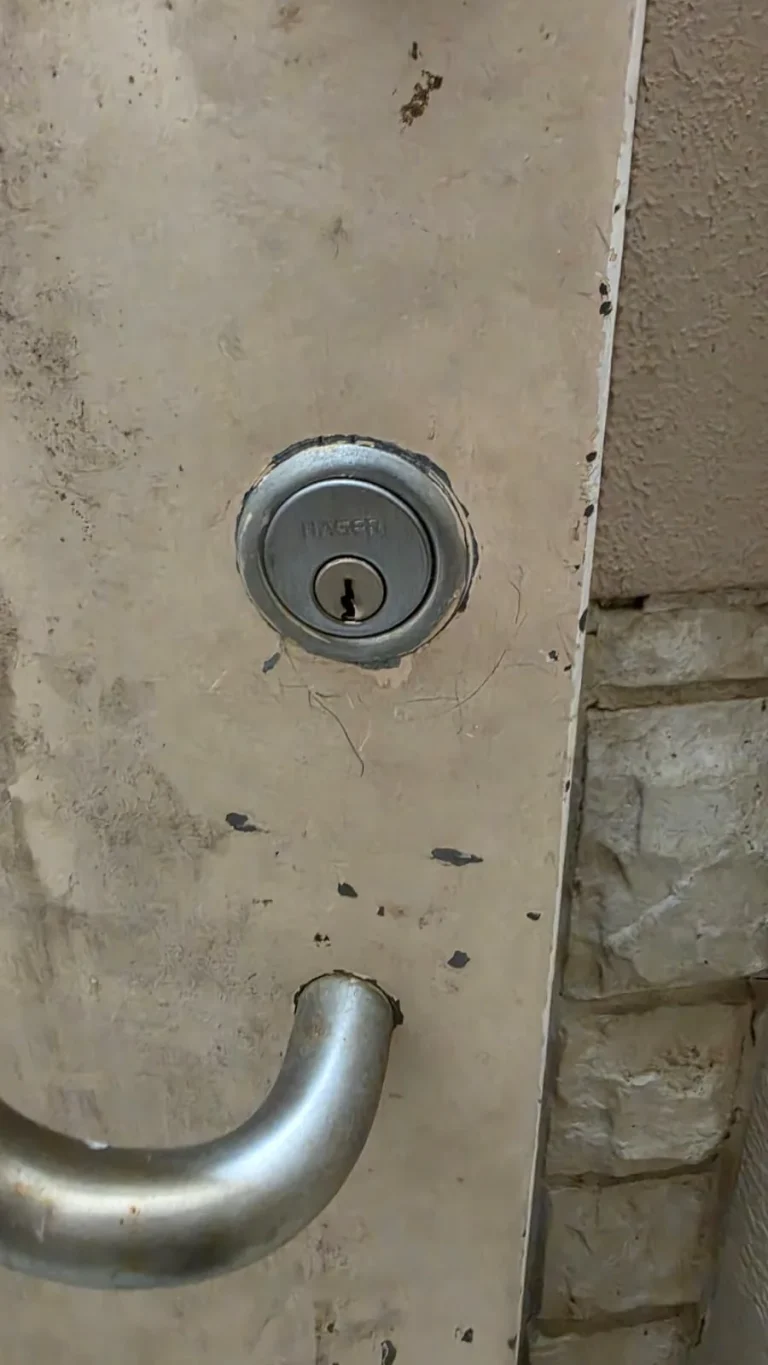
A failing lock does not always need to be replaced. Learn when a door or lock repair may solve the problem, when replacement fits better, and when rekeying protects your home.