Home Security Planning
New Home Lock Change Checklist for Cypress Homeowners
Moving into a home often means more keys have existed than you realize. Here is a practical way to organize your first lock and key decisions.
License Number: B31188601
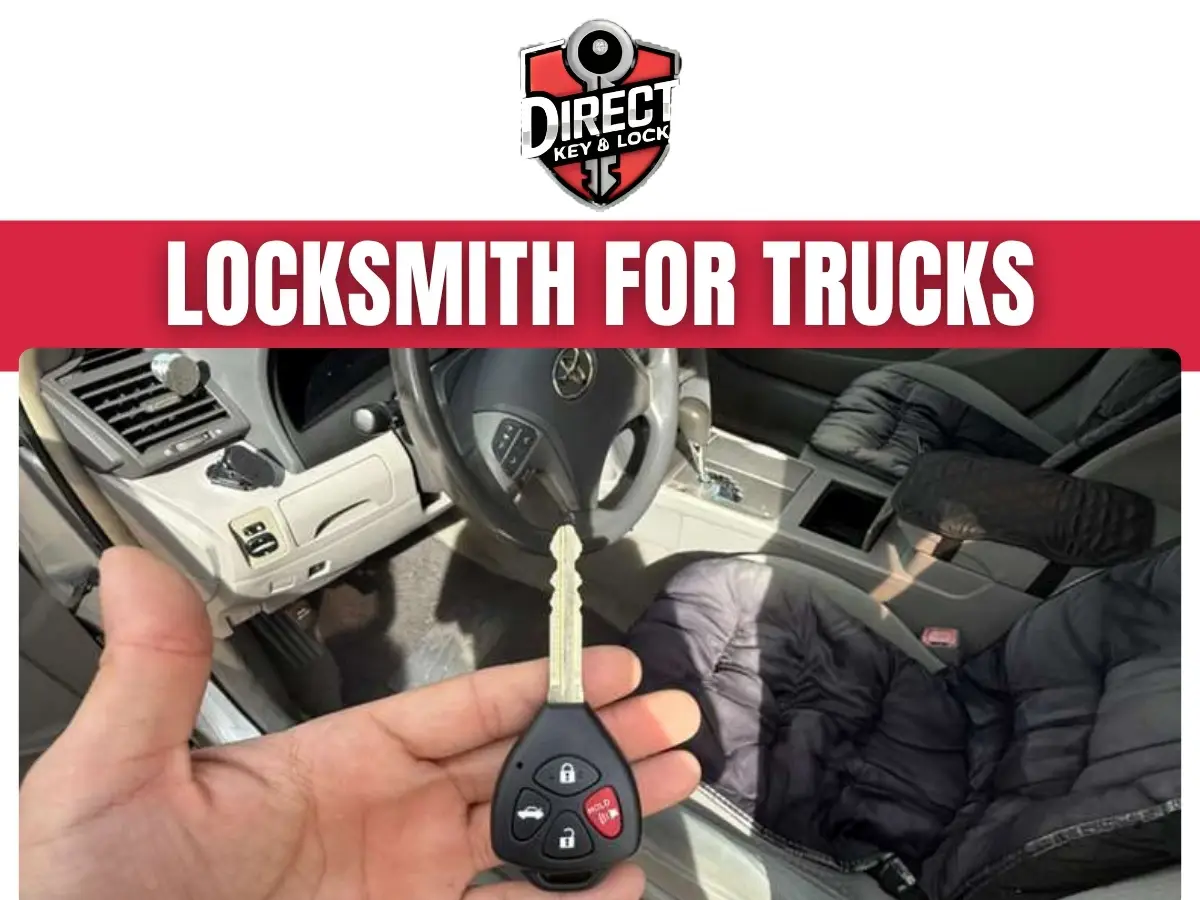
Direct Key & Lock provides Locksmith for Trucks in Cypress, helping drivers address locked doors, lost keys, and truck key problems. We discuss your truck, location, and symptoms to identify a suitable next step. Call us for help understanding your options and getting access to your truck again.
A truck lockout can interrupt a workday, a delivery, or a simple grocery run. A missing key can also leave tools, equipment, and personal items beyond reach. We help you sort out what happened without turning a frustrating situation into a guessing game.
Are your keys on the seat, missing completely, or refusing to turn? That detail gives us a useful place to begin. Call (346) 412-0490 or visit Direct Key & Lock to discuss your truck locksmith needs in Cypress, TX.

Truck locksmith service addresses access problems involving keys, door locks, and compatible vehicle security systems. The right approach depends on the truck’s year, make, model, and the type of key it uses.
A pickup with a basic metal key presents a different problem than a newer truck with a proximity fob. Commercial vehicles may also use separate locks for the cab, tool storage, and cargo areas. Tell us which lock or key is causing trouble so we can discuss the relevant service.
Not every truck uses the same equipment or procedures. We discuss compatibility before recommending work, especially for heavy-duty trucks, modified vehicles, and separate storage locks.
A truck lockout requires an entry method suited to the vehicle and its locking system. The goal is to restore access while avoiding unnecessary stress on the door, glass, seals, and lock components.
Can you see the key through the window? Let us know whether it is on the seat, in the ignition, or inside a bag. Also mention whether the truck is running and whether another door might already be open.
Avoid pushing a coat hanger or random tool through the door opening. Modern doors can contain wiring and other sensitive components that improvised tools may disturb. A quick attempt can become a second problem.
Before calling, check each accessible door once without pulling hard on the handles. Then move to a safe waiting spot and keep your phone nearby.
Lost truck keys may require a replacement key, programming, or both, depending on the vehicle. With no working key present, identifying the truck and its security system becomes especially useful.
Look in the last few places you used the key, but avoid an endless search if the truck must move. Check jacket pockets, work bags, nearby counters, and the ground around the driver’s door. Truck keys have a talent for choosing the least convenient hiding place.
If theft is possible, ask whether the truck supports removing the missing electronic key from its accepted key list. Electronic access and mechanical door access can require separate steps.
A replacement truck key must match both the physical lock and any electronic security requirements. A key that fits the door may not be enough to operate the vehicle.
Some trucks use a transponder chip inside the key. Others rely on a proximity fob that the truck must recognize. Cutting a blade and programming an electronic key are separate tasks, even when both apply to the same replacement.
Direct Key & Lock can discuss the replacement route for your specific truck. Tell us about aftermarket security equipment, a replaced ignition, or door locks that use a different key. These details can change what is needed.
Avoid ordering a replacement based only on how the case looks. Similar-looking fobs can have different internal components, button functions, or vehicle compatibility.
An unresponsive truck remote does not always mean the entire key needs replacement. A weak battery, damaged case, worn buttons, or a vehicle-side issue can produce similar symptoms.
Does the truck still operate normally even though the remote will not open the doors? That clue helps separate a remote function problem from a broader key recognition issue. Mention whether every button stopped working or only a single function.
Avoid forcing the fob case open with a large screwdriver.
Small clips and battery contacts can bend, making a simple battery change less simple.
A key that sticks, bends, or breaks should be assessed before more force is applied. Repeated twisting can worsen key damage or leave a fragment inside the lock.
A worn key may work only when held at a certain angle. Dirt, internal wear, or damage inside the lock can cause similar behavior. Tell us whether the issue affects one door, every door, or only the ignition.
If a key breaks, keep every piece you can recover. Do not push another key, glue, or a pointed object into the keyway. These attempts can move the fragment farther inside or interfere with removal.
We discuss whether the next step involves extraction, key replacement, or lock evaluation. A new key alone may not solve a lock that has internal damage.
Ignition symptoms can come from the key, lock cylinder, steering lock, battery, or another vehicle system. Describing the exact behavior helps determine whether ignition locksmith service is the appropriate next step.
On trucks with a keyed ignition, steering wheel pressure can sometimes make the key difficult to turn. Follow the owner’s manual and use only gentle pressure. Stop if the key bends, grinds, or feels close to breaking.
We do not treat every no-crank condition as a locksmith issue. Some symptoms call for a mechanic, battery service, or another vehicle specialist instead.
Work truck lock issues depend on whether the affected lock belongs to the vehicle or a separate storage unit. Cab doors, bed covers, utility bodies, and toolboxes may use unrelated keys.
When you call, identify the exact door or compartment you cannot open. A truck’s vehicle identification number may help with its original key system but may not identify an aftermarket toolbox lock.
For business vehicles, confirm who can authorize access or key work. A driver may need help from a supervisor or fleet contact before service can proceed. Getting that person involved early can reduce interruptions.
Mention whether the vehicle is a pickup, box truck, utility truck, or another commercial model. Do not assume a service suitable for a passenger pickup also applies to every large truck.
A clear description helps us discuss the appropriate vehicle locksmith service before work is arranged. You do not need technical terms, just the symptoms you can observe.
When requesting Locksmith for Trucks in Cypress, explain what happened immediately before the problem. A dropped fob, a key that became harder to turn, or a recent battery issue can each point in a different direction.
We encourage you to ask what the proposed work addresses. Opening a door, replacing a key, and resolving a damaged lock are different tasks.
Truck locksmith timing varies with the vehicle, the problem, and the work required. A simple cab lockout and a lost electronic key should not be treated as identical jobs.
Vehicle location can also affect access. A truck parked beside a wall, behind a locked gate, or inside a restricted worksite may require extra coordination. Clear directions help avoid unnecessary searching.
Call for current availability rather than assuming immediate service. We can discuss your circumstances and explain what needs confirmation before a visit.
A truck lockout becomes an emergency when a person or animal is trapped in unsafe conditions. Call 911 immediately if someone is in danger, especially inside a hot vehicle.
Cypress, Texas, heat can make waiting inside a closed truck hazardous. Do not delay an emergency call while searching for a spare key or arranging ordinary locksmith service. Follow the dispatcher’s instructions.
If the truck is near moving traffic, keep yourself away from the roadway. Do not stand beside an exposed driver’s door while trying repeated entry attempts. Move to a protected location if you can do so safely.
Tell us if the truck is running, carrying sensitive equipment, or parked somewhere unsafe. That information helps frame the conversation, but emergency responders should handle immediate threats to life.
Preparing your location and truck information helps the service visit stay focused on the actual problem. Gather what you can without putting yourself at risk or forcing access.
For an employer-owned truck, have the authorized contact reachable. For a truck in a large lot, a nearby store entrance or row marker may help more than the street address alone.
Do not disassemble the door or ignition while waiting. Leaving components intact makes the original symptoms easier to assess.
Truck service in Cypress can involve residential driveways, shopping lots, job sites, and business properties. Each setting creates different access and safety needs.
A street address may lead to the front of a property while the truck sits behind a warehouse. Share the entrance a service vehicle should use and whether security approval is required. Mention low overhead clearance or restricted parking if relevant.
If you are near US 290 or the Grand Parkway, describe whether the truck is in a parking lot, on a frontage road, or elsewhere. Never walk along traffic lanes to find a better landmark.
Texas weather can also affect where you wait. Choose shade or an indoor location when possible, and let us know how to reach you.
Checking the relevant key and lock functions before normal use helps identify any unresolved symptoms. The checks should match the work completed rather than assume every truck function was serviced.
After door access is restored, locate your key and confirm that you have it before closing the truck. After key replacement, test the functions included in the work. Keep another access route open during testing when practical.
Tell us promptly if a key still catches or the same warning returns. Continued symptoms may point to a separate lock or vehicle issue.
A consistent key routine can reduce avoidable truck lockouts and key wear. Small changes are especially useful for drivers who enter and exit the cab throughout the day.
Keep your key in the same pocket or secure location during work. Before closing the last open door, physically check that you have it. Looking through the window after the door shuts is a less useful system.
Store a spare somewhere secure outside the truck rather than inside the locked cab. Replace a cracked fob case before its internal components become exposed. Avoid using a truck key to cut tape or pry objects open.
For shared work trucks, use a clear handoff routine. Confirm who has each key before a shift change, and report sticky locks before the key fails completely.
Direct Key & Lock helps Cypress drivers determine the next step for truck lockouts and key issues. Tell us what you drive, where it is parked, and what the key or lock is doing.
Whether your keys are inside the cab or nowhere to be found, a useful conversation begins with those basic facts. We will discuss the service needed, compatibility questions, and current availability without assuming every truck needs the same solution.
For Locksmith for Trucks in Cypress, call (346) 412-0490 or contact us about your truck locksmith needs. Have your truck’s year, make, and model ready so we can focus on the help you need.
A locksmith for trucks assists with truck key and lock needs. Direct Key & Lock provides this service.
A truck locksmith can assess the situation and discuss access options.
Contact a locksmith to ask about replacement options for your truck.
A locksmith can review the key issue and discuss possible next steps.
Support for electronic keys depends on the truck and its key system.
Have basic vehicle information and a description of the key or lock issue ready.
A locksmith may request identification and proof of ownership or authorization before proceeding.
A locksmith can assess the lock concern and explain available options.
Yes, you can ask whether a spare key is an option for your truck.
Contact Direct Key & Lock to describe your needs and ask about service availability.
Moving into a home often means more keys have existed than you realize. Here is a practical way to organize your first lock and key decisions.
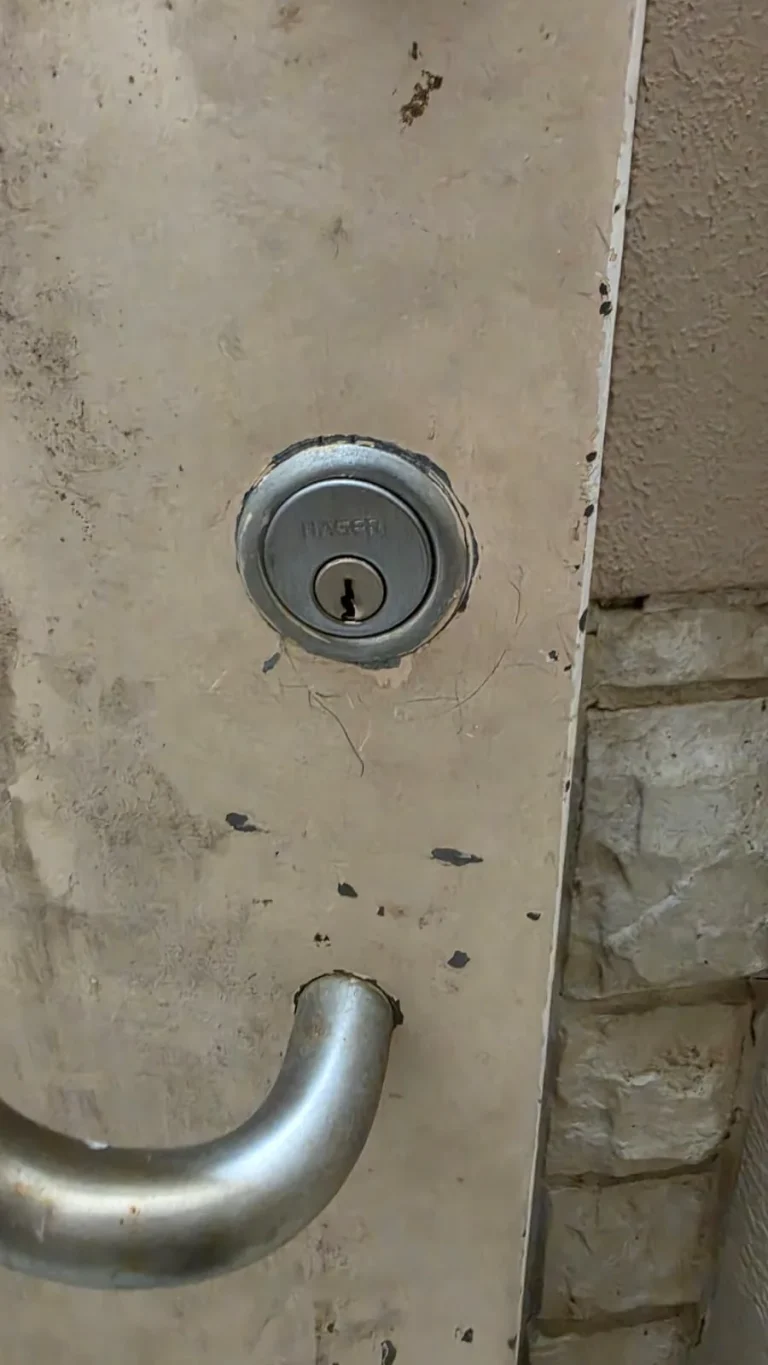
A failing lock does not always need to be replaced. Learn when a door or lock repair may solve the problem, when replacement fits better, and when rekeying protects your home.