Home Security Planning
New Home Lock Change Checklist for Cypress Homeowners
Moving into a home often means more keys have existed than you realize. Here is a practical way to organize your first lock and key decisions.
License Number: B31188601
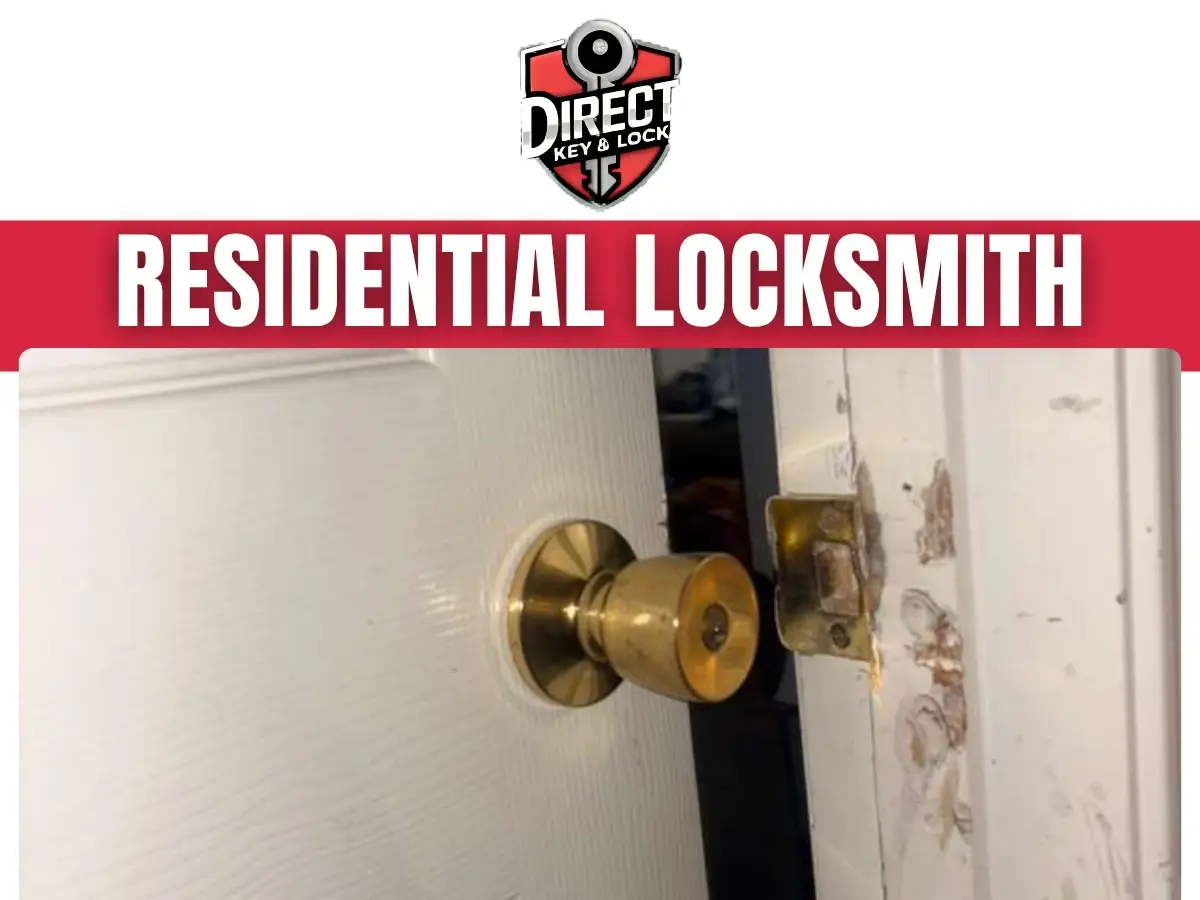
A residential locksmith in Cypress helps homeowners regain entry, fix faulty locks, and control who has a working key. At Direct Key & Lock, we help Cypress, TX, households with home lockouts, lock repairs, and rekeying, with practical attention to the door, hardware, and access problem.
A key that suddenly refuses to turn can interrupt your whole day. So can a missing house key or a back door that will not lock before bedtime. We help you sort out the problem and choose a sensible next step.
Call (346) 412-0490 or visit Direct Key & Lock to discuss your home lock needs.
Residential locksmith work addresses how people enter your home and how securely your doors close. The right approach depends on whether the problem involves a missing key, worn hardware, a damaged cylinder, or poor door alignment.
At Direct Key & Lock, we help with common home lock concerns.
Describe what happens when you use the door.
“The key turns, but the bolt stays put” is more useful than guessing which internal component has failed.
A home lockout needs an entry method suited to the lock, door, and situation. Before trying anything, check whether another authorized household member has a working key or whether a normal entry point is already accessible.
Avoid forcing a window, kicking a door, or pushing tools into the keyway. Those attempts can create damage without getting you inside. A lockout is frustrating enough without adding a broken frame to the afternoon.
If a child, vulnerable adult, or pet is in immediate danger, contact emergency services first. Locksmith service should not delay an urgent safety response.
Rekeying changes the lock’s internal key arrangement so a different key operates it. When the hardware is suitable and functioning properly, this can address key-control concerns without replacing the entire lock.
Moving into a home is a common reason to rekey. You may have received every key the previous owner knew about, but that does not tell you how many copies were made. The same concern applies after losing a key or ending access for someone who previously had permission.
Rekeying does not fix a worn mechanism or damaged door. We look at the lock’s condition before treating a new key as the full solution.
A sticking lock needs a check of both the hardware and the door. A key cylinder may be worn, but a shifting door or poorly aligned strike plate can produce a similar complaint.
Does the lock work with the door open but resist with it closed? That often points to an alignment issue rather than a key problem. If it binds in both positions, the cylinder or internal mechanism may need attention.
Stop forcing the key if resistance increases. A bent or broken key can turn a manageable problem into a lockout.
Replacement is appropriate when a lock is damaged, unreliable, incompatible with your needs, or beyond a useful repair. Changing hardware may also make sense when a door has mismatched components or a previous installation leaves the bolt poorly supported.
The replacement must fit the door, not just look right in a package. Door thickness, existing holes, bolt position, and frame condition all affect the choice of hardware for lock installation.
A new lock cannot compensate for a cracked jamb or loose hinges. We can explain where the lock work ends and where another door repair may be needed.
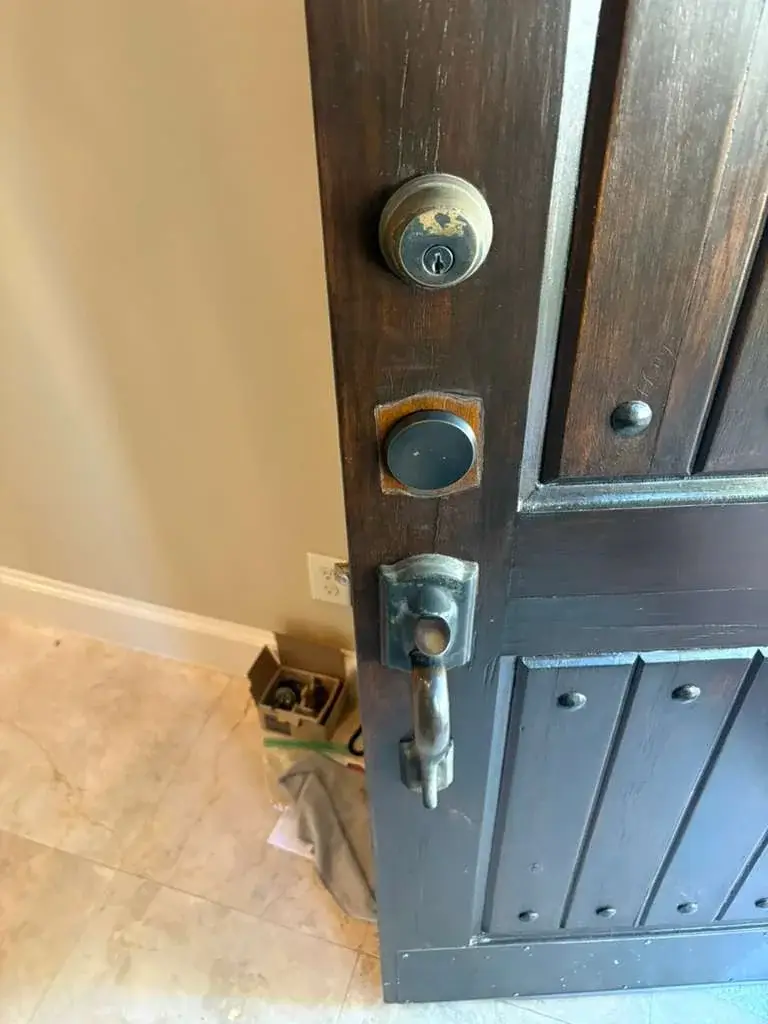
A deadbolt needs to extend fully into its receiving hole without rubbing or forcing the door sideways. If you must lean against the door to turn the thumbturn, the fit deserves attention.
The bolt, strike plate, screws, and surrounding wood work together. Installing only the visible lock may leave the original weakness untouched. A useful check looks at the complete connection between the door and frame.
Do not enlarge holes or move the strike plate without understanding the cause. Removing too much material can leave less support where the door needs it.
A keypad lock can reduce everyday key use, but it still needs sound mechanical fit and reliable power. Before buying one, check the door requirements and whether the model works with your existing hardware arrangement.
Tell us the brand and model if you need help with an electronic lock. Installation, access features, and troubleshooting steps vary. We can discuss the issue and confirm whether we can assist with that hardware.
A keypad does not correct a binding deadbolt. If the motor struggles against a misaligned door, battery changes alone may not solve the problem.
A move is the right time to check exterior locks and decide who should have access. Before unpacking takes over, make a short list of every door that leads into the house.
A residential locksmith in Cypress can help you separate key-control issues from hardware problems. A working lock may only need rekeying, while a damaged lock may need repair or replacement.
If you rent, confirm permission before changing locks or access settings. For shared households, agree on key handling early so a spare does not become a mystery copy passed between several people.
A useful locksmith visit starts with understanding what changed and what you need the lock to do. We consider the symptoms, inspect the affected hardware, and discuss the suitable work before proceeding.
Ask questions if a recommendation is unclear. You should understand whether the work changes your keys, replaces hardware, or corrects how the lock operates.
The time needed depends on what we find, not just the name of the service. A straightforward rekey differs from a lockout involving damaged hardware or a door that will not sit squarely in its frame.
When you call, share clear photos if requested and describe anything already attempted. Knowing that a key broke after several days of stiffness can help explain more than simply saying the lock stopped working.
Contact us to discuss scheduling and the details of your situation. Arrival and completion timing should be confirmed directly rather than assumed.
A lock needs prompt attention if it prevents normal exit or will not secure an exterior door. Do not keep relying on repeated force, a lucky key angle, or a temporary prop.
After a suspected break-in, prioritize personal safety and contact law enforcement as appropriate. Avoid disturbing possible evidence until you receive direction.
A chair under a handle is not a substitute for a working lock. Household furniture already has enough responsibilities.
Having the right information ready helps us understand the door and your access needs. You do not need to remove the lock or diagnose its internal parts before calling for home lock help.
If you are locked out, stay in a safe location while discussing next steps. Do not climb fences or enter through an unsafe opening just to gather documents.
Need several doors checked? Mention them during scheduling so the visit can account for more than the first problem.
Heat, moisture, and changing weather can affect how a door fits its frame. In Cypress, Texas, a lock that becomes harder to use during humid periods may need an alignment check rather than repeated key replacement.
Weather exposure can also affect exterior hardware. Watch for rust, loose mounting screws, and moisture near the lock or door edge.
These clues help narrow the issue, but they do not prove the cause. We inspect the lock and its fit before recommending work based on weather alone.
Regular checks help you notice loose hardware and changing resistance before the lock stops working. Use the lock normally, keep keys in good condition, and follow the hardware maker’s care instructions.
Avoid spraying random household products into the cylinder. Some products can leave residue that attracts dirt.
If stiffness returns after service, note when it happens and which action causes it. That information helps distinguish a recurring lock issue from changing door alignment.
Direct Key & Lock helps Cypress homeowners address lockouts, faulty locks, and changing key access. Tell us what is happening, which door is involved, and whether the home can currently be secured.
You do not need to know whether the answer is rekeying, repair, or replacement before contacting us. We can discuss the symptoms and help identify the next step.
Call (346) 412-0490 or contact us to request residential locksmith service in Cypress, TX. Have your address, access situation, and any lock model information ready when you get in touch.
A residential locksmith works with locks and keys used in homes. Direct Key & Lock provides residential locksmith services.
You might need one for a home lockout, lost keys, a damaged lock, or changes to who can access your home.
Contact a residential locksmith to discuss assistance and be prepared to confirm that you are authorized to enter.
Rekeying changes how an existing lock works so it uses a different key.
Rekeying changes the key a lock accepts, while replacement involves changing the lock hardware.
Reviewing your locks after moving can help you decide whether to rekey or replace them based on who may have existing keys.
Speak with a residential locksmith about whether a replacement key, rekeying, or a lock change is appropriate.
A locksmith can assess a sticking or difficult-to-turn lock and discuss repair or replacement options.
A residential locksmith can discuss keyless entry options and whether they may suit your home's doors.
Describe the lock or key issue and your access needs. Direct Key & Lock can be contacted to discuss residential locksmith service.
Moving into a home often means more keys have existed than you realize. Here is a practical way to organize your first lock and key decisions.
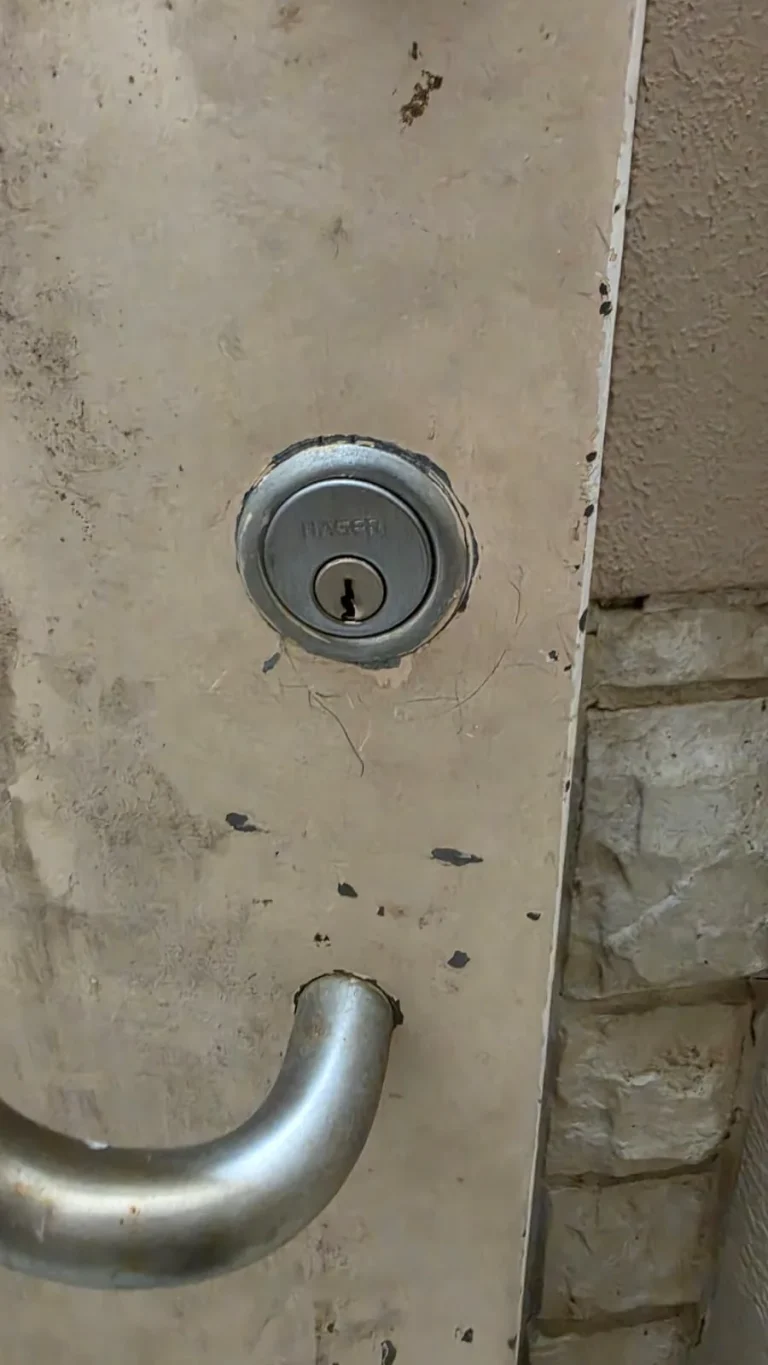
A failing lock does not always need to be replaced. Learn when a door or lock repair may solve the problem, when replacement fits better, and when rekeying protects your home.