Home Security Planning
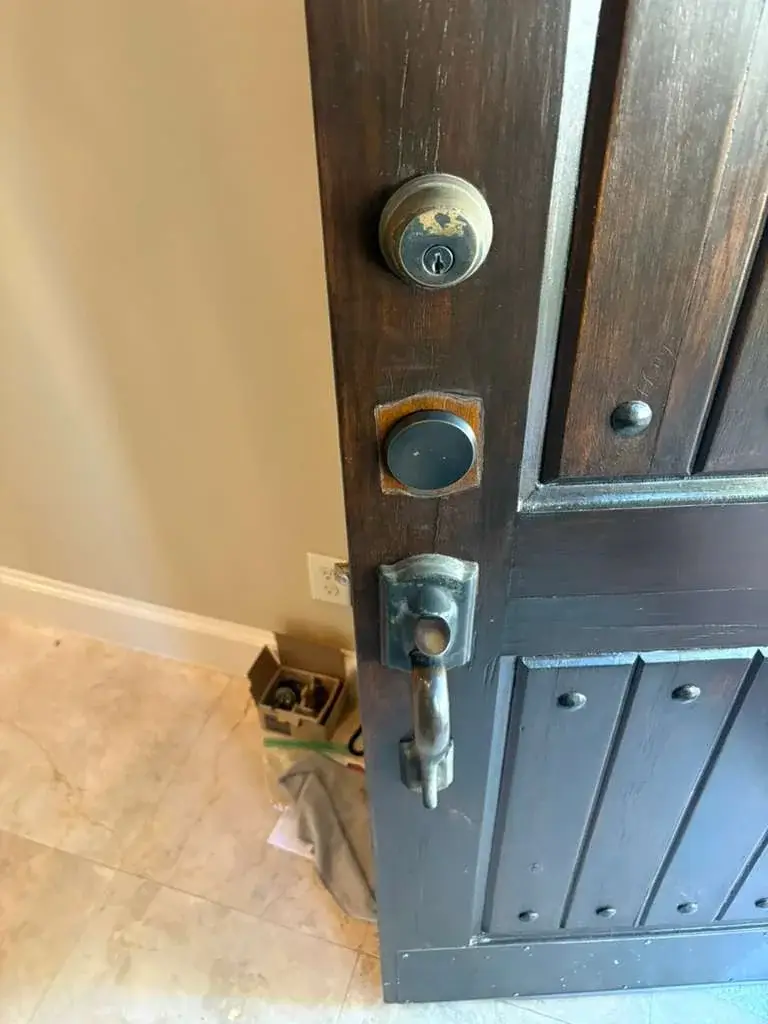
New Home Lock Change Checklist for Cypress Homeowners
Moving into a home often means more keys have existed than you realize. Here is a practical way to organize your first lock and key decisions.
License Number: B31188601
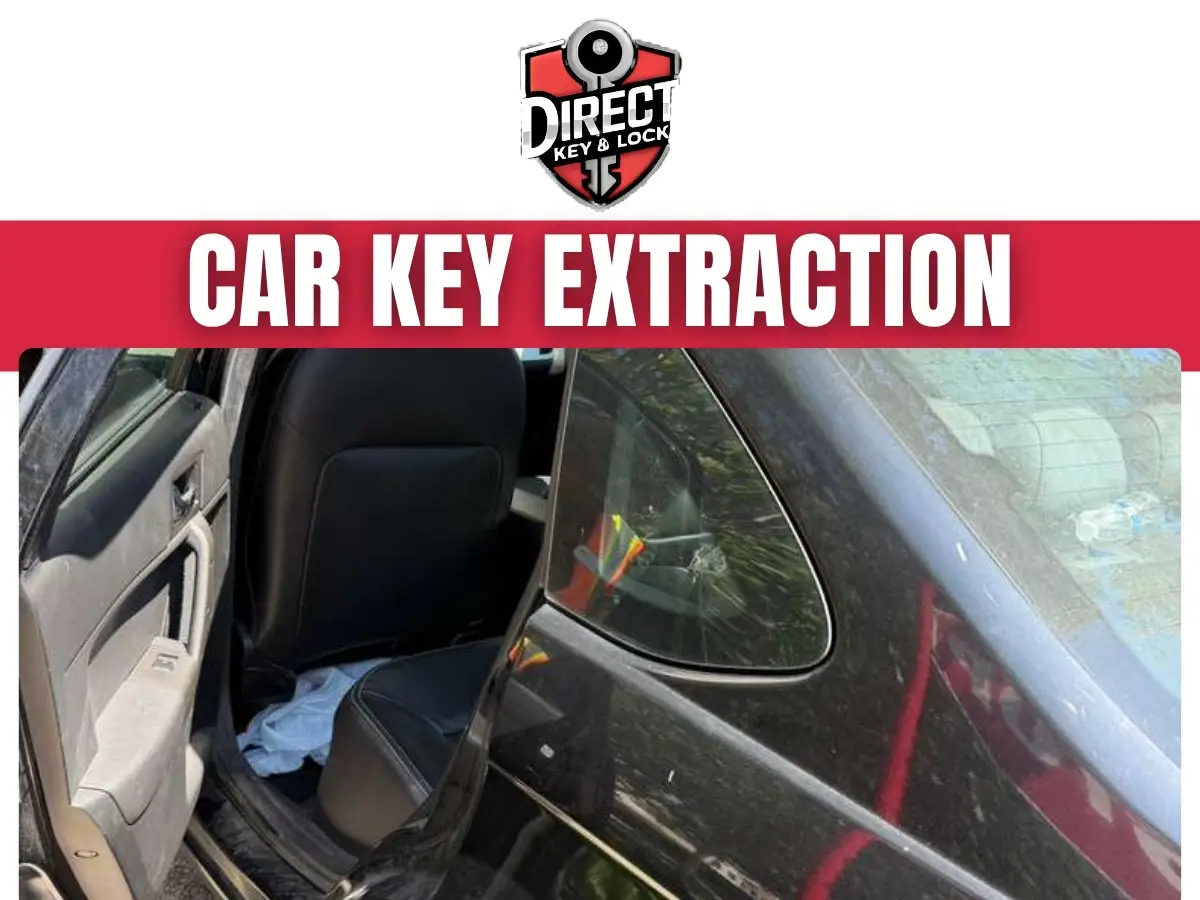
Remove a Broken Car Key Without Forcing the Lock
Car key extraction in Cypress removes a broken key blade from a vehicle’s door lock, trunk lock, or ignition. Direct Key & Lock helps drivers in Cypress, TX assess the problem, remove the lodged piece when accessible, and determine what needs attention before another key goes into the lock.
A snapped key can interrupt your day before you even leave the driveway. You may have the key head in your hand while the blade stays inside, or you may see only a small metal edge near the lock opening.
The next step is not to push harder. Stop using the affected lock and call (346) 412-0490 to discuss what happened. Tell us where the key broke, whether the vehicle is running, and whether you have another usable key.
Car key extraction focuses on removing a broken metal key piece from a vehicle lock or ignition cylinder. The goal is to clear the keyway while avoiding unnecessary pressure on the lock’s internal components.
A broken key can remain close to the opening or lodge farther inside. Its position, the condition of the cylinder, and any earlier removal attempts affect the approach.

Extraction does not automatically fix a worn cylinder or provide a working replacement key. We explain those differences so you know whether removing the fragment addresses the whole problem or only the first step.
Extraction is appropriate when a broken portion of the key remains inside the lock. A whole key that will not turn or come out needs a different assessment before anyone attempts removal.
Can you see where the blade snapped? Keep the piece you still have and compare it with a spare, if available. Do not insert the spare into the affected cylinder to check how much space remains.
A damaged plastic key head is not always an extraction issue. If the full metal blade remains outside the lock, explain that during your call so we can discuss the right next step.
Stop turning, pushing, or probing the lock as soon as the key breaks. Repeated attempts can move the fragment farther inside or damage components that were still working.
First, make sure you and your passengers are safe. If the vehicle is near moving traffic, avoid standing beside the exposed side while inspecting the lock.
Do not leave a running vehicle unattended.
If someone is trapped inside or there is an immediate medical risk, contact emergency services first.
Keys often break after wear, bending, or repeated resistance weakens the blade. The final turn may feel ordinary even though the metal has already developed a weak spot.
A worn cylinder can also make a key harder to use. If the lock has required extra force for weeks, the broken key may be a symptom rather than the only problem.
A key is useful, but it is not a pocket crowbar. If it has been bent or cracked, stop using it and discuss replacing the weakened key before a small problem becomes a lodged fragment.
We assess the key position and lock condition before attempting extraction. Car key extraction in Cypress should begin with understanding what broke, not with forcing a tool into the opening.
The exact process depends on the vehicle and the affected cylinder. Access may be straightforward, or the lock may need further inspection before the fragment can move.
If the cylinder is damaged, removal alone may not restore normal operation. We discuss that possibility rather than treating every broken key as the same job.
A broken key in a door or trunk lock can block manual access even if the vehicle’s remote still works. The fragment should be addressed before another key is used in that cylinder.
Does your remote still open the doors? That may help you reach a safe place, but it does not clear the damaged lock. Avoid treating remote access as proof that the mechanical problem has gone away.
Exterior locks can collect grit and moisture. A cylinder that sees little use may also resist turning when you suddenly need the emergency blade.
Keep bags and tools from pressing against any exposed metal. Even a small bump can bend a protruding piece and make removal less straightforward.
An ignition problem needs careful assessment because a broken blade and a trapped whole key are different issues. Removing a fragment does not necessarily correct an ignition cylinder that binds or fails to rotate.
On some vehicles, steering pressure or a shifter position can affect normal key movement. These conditions do not prove the key is broken, and forcing the key can turn a stuck-key issue into an extraction job.
Do not use pliers to force a broken ignition key to turn. Avoid removing steering column covers yourself, since wiring and other vehicle components may be nearby.
If the vehicle is running in a garage, prioritize people’s safety and avoid exhaust exposure. Tell us immediately if you cannot shut the vehicle off normally.
Improvised tools can push the fragment inward or damage the lock before extraction begins. A method that looks simple in a short video may not fit your vehicle’s keyway or the position of the break.
Glue is especially risky. It can spread beyond the broken surface and bind moving components inside the cylinder.
Already tried something? Tell us what you used and whether anything changed. That information helps us assess the lock without repeating an unsuccessful approach.
The time needed depends on fragment access, cylinder condition, and how the key broke. We cannot judge the full scope of vehicle lock service from the words “broken key” alone.
A visible piece near the opening may allow a different approach than a fragment lodged farther inside. An ignition cylinder stopped between positions can also present different challenges from a door lock in its normal position.
If you need to leave for work or collect a child, mention that during the call. We can discuss the situation without making a time promise before the lock has been assessed.
Clear location details and vehicle information help us discuss your extraction needs accurately. Share your street address or a clear parking location, not just the name of a large shopping center.
In a busy Cypress parking lot, several rows can look almost identical. A nearby storefront, entrance number, or vehicle description can help identify your location.
Keep proof that you own or are authorized to use the vehicle available. Ask during the call what information is needed for your situation.
The lock and remaining key should be checked before normal use resumes. An empty keyway is progress, but it does not confirm that the cylinder or another worn key is ready for use.
We look for signs that the break involved more than weakened metal. Continued resistance, scraping, or poor rotation can point to a separate lock problem.
Many vehicles use an electronic chip alongside the metal blade. Extracting a broken blade does not program a replacement key or resolve an electronic recognition problem.
If a replacement is needed, ask what your vehicle requires. The correct next step depends on both the mechanical key and the vehicle’s starting system.
Replacing a weakened key and addressing a stiff lock can reduce the chance of another break. Extra force is a warning sign, not a useful long-term solution.
Check the blade occasionally for bends, cracks, and heavily rounded cuts. Pay attention if one key works smoothly while another repeatedly catches in the same cylinder.
Cypress, Texas drivers may go months relying only on a remote. Knowing whether the manual key works can prevent an unpleasant surprise during a remote battery problem.
Call Direct Key & Lock to discuss the broken key, affected lock, and next steps for your vehicle. Car key extraction in Cypress begins with a clear description of the problem and a careful approach to the lodged blade.
Whether the key broke at home, outside work, or during errands around Cypress, TX, leave the fragment undisturbed. Save the piece in your hand and note anything unusual about the lock before the break.
Not sure whether the blade snapped or the whole key is simply stuck? Describe what you can see without forcing it. We can discuss the difference and what information will help assess your request.
Call (346) 412-0490 or visit our contact page to contact Direct Key & Lock. Let us know your vehicle details, location, and whether you can safely access or shut off the vehicle.
Car key extraction is the removal of a broken or stuck key from a vehicle’s lock or ignition. Direct Key & Lock provides this service.
A key may become stuck because of wear, damage, or an issue with the lock or ignition.
Avoid forcing the remaining piece or inserting objects into the lock. Consider contacting a locksmith for assistance.
Ignition key extraction may be possible, depending on the condition of the key and ignition.
Pulling or twisting forcefully can cause further damage. Professional assistance may be appropriate if the key does not release normally.
No. Extraction removes the stuck or broken key, while replacement involves obtaining another key.
A broken or damaged key may need replacement. The next step depends on the key’s condition.
Extraction removes the key but does not necessarily address an underlying lock or ignition issue.
Share your vehicle’s make and model, where the key is stuck, and whether it appears broken.
Avoid forcing a key that resists turning, and seek advice if you notice damage or recurring difficulty using it.
Moving into a home often means more keys have existed than you realize. Here is a practical way to organize your first lock and key decisions.
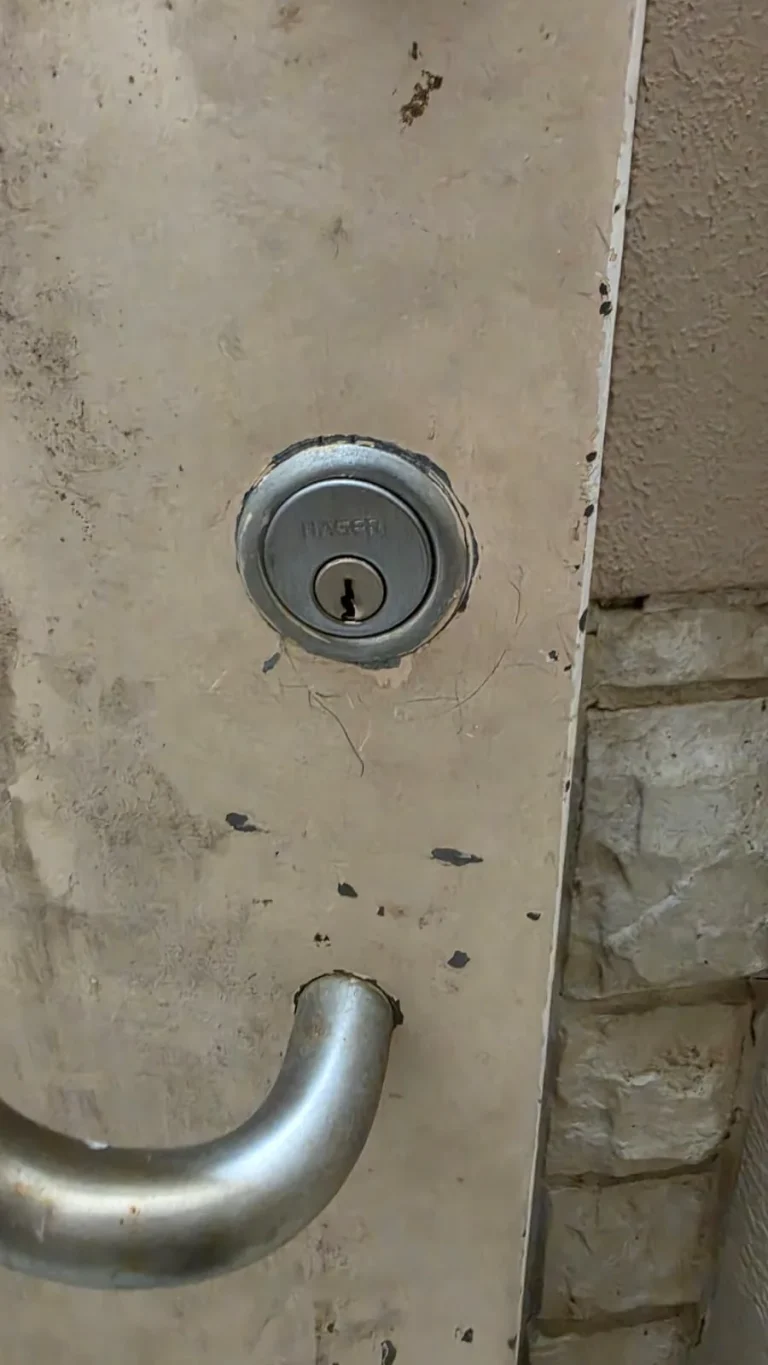
A failing lock does not always need to be replaced. Learn when a door or lock repair may solve the problem, when replacement fits better, and when rekeying protects your home.