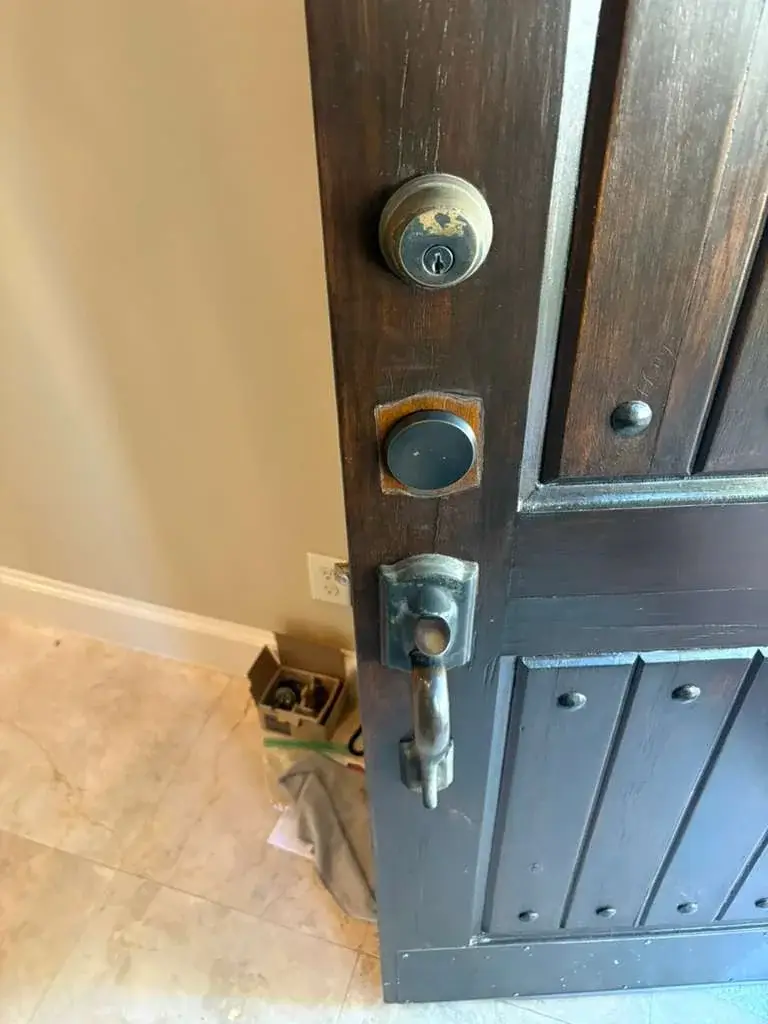
Home Security Planning
New Home Lock Change Checklist for Cypress Homeowners
Moving into a home often means more keys have existed than you realize. Here is a practical way to organize your first lock and key decisions.
License Number: B31188601
Commercial lock repair in Cypress restores business door locks that stick, slip, jam, or fail to secure. At Direct Key & Lock, we help businesses in Cypress, TX find the cause, explain repair options, and address lock problems so staff can manage entry and closing with less hassle.
A stubborn lock can interrupt deliveries, delay opening, or leave you questioning whether a door is secured. Sometimes the trouble sits inside the lock. Other times, the door, frame, or strike plate is preventing an otherwise working lock from doing its job.
We look at how those pieces work together before recommending a fix. Call (346) 412-0490 or visit the Direct Key & Lock website to discuss your commercial door lock problem.

Commercial lock repair addresses faults that prevent a business lock from operating or securing the door properly. The work may involve the cylinder, latch, bolt, handle, mounting screws, or the connection between these components.
A key that turns without moving the bolt needs a different approach from a latch that misses its strike plate. Replacing a cylinder will not correct a sagging door. We check the symptom against the actual cause.
Depending on the hardware and its condition, repair may include the following work.
The goal is a working lock, not simply a key that turns once during a test.
A commercial lock needs attention when its operation changes or staff must use extra force to make it work. Small changes often appear before a lock stops working completely.
Does your closing routine now include lifting the handle, pulling the door hard, and turning the key twice? Your front door should not require a secret handshake. Those extra steps are useful clues about wear or alignment for a commercial locksmith.
Avoid waiting for several symptoms to appear. A single unreliable lock can complicate access and leave a closing employee unsure what to do next.
Commercial locks often develop problems from repeated use, loose hardware, worn keys, or changes in door alignment. Dirt and unsuitable lubricants can also interfere with small moving components.
A busy entrance may cycle repeatedly throughout the day. Over time, mounting screws can loosen, handles can develop play, and internal pieces can wear. Delivery doors can also take abuse from carts or doors being pushed beyond their normal travel.
Around Cypress, heat, humidity, and wind-driven rain can affect exposed entrances. A tight weather seal or shifting door position may put extra pressure on the latch.
As part of our locksmith work for buildings, we also consider recent changes around the opening. New flooring, replacement weather stripping, frame work, or a door closer adjustment may explain why a previously dependable lock has started resisting.
We check the lock with the door open and closed to see whether resistance comes from the mechanism or the opening. That comparison helps prevent work on the wrong component.
If the key turns smoothly with the door open but binds when it closes, alignment may be involved. If it sticks in both positions, the cylinder, key, or internal mechanism deserves closer attention.
We explain when a related door issue limits what a lock repair can accomplish.
Even a replacement lock cannot compensate for every frame or hinge problem.
The repair approach depends on the commercial lock type and the condition of its surrounding hardware. Office doors, storefront entrances, and back doors often use different mechanisms.
Cylindrical lever locks combine the handle and latch assembly through the door. A loose lever, worn latch, or cylinder problem can affect how they operate. The hardware must be checked as a connected assembly.
Mortise locks place a lock body inside a pocket in the door. Storefront doors may use narrow lock bodies with hook bolts, deadlatches, or other hardware suited to their frames.
When you contact us for commercial locksmith service, describe the door and what the lock does wrong. Photos of the handle, door edge, and frame can help us understand the setup. We can discuss whether the reported hardware and repair needs fit the visit.
A repair visit starts with your description of the problem, followed by inspection and testing. Knowing whether the issue happens constantly or only during closing helps narrow the cause.
Our commercial lock repair in Cypress focuses on identifying the fault before choosing the repair. We also ask about recent damage, key problems, and changes to the door.
The visit generally follows this process.
Please have someone available who can authorize work and answer questions about the door.
Repair addresses a mechanical problem, while rekeying changes which key operates a compatible lock cylinder. Replacement becomes relevant when damage, wear, or unavailable components make repair unsuitable.
If the key sticks because the cylinder is worn, changing its key combination alone may not solve the problem. If the lock works correctly but a former employee still has a key, mechanical repair does not resolve that access concern.
We discuss these as separate needs rather than treating every lock issue the same way. Tell us whether your concern involves operation, missing keys, unauthorized access, or a combination.
Existing key arrangements also matter. If several doors share a key, mention that before work begins. Any proposed cylinder change should account for how you want authorized staff to use those doors.
A lock that has been struck, pried, or forced needs a broader inspection than a routine sticking-key complaint. Visible cylinder damage may come with bent mounting points, a damaged strike, or frame movement.
If you suspect a break-in, address immediate safety concerns before handling the door. Contact the appropriate authorities when needed, and avoid disturbing possible evidence until you receive direction.
Once the opening is ready for inspection, we can assess the lock-related damage and discuss the next step. Some damaged components may be repairable, while others may need replacement.
Do not assume the door is secured because the key still turns. Check whether the bolt or latch actually holds the door, without putting yourself at risk or forcing damaged hardware.
Locks on exit doors must allow the door to function correctly for people leaving the building. A security repair should not create a new obstacle to exit.
If a door has a push bar, controlled entry hardware, or a connection to another building system, mention it when scheduling. These openings may need coordination with a property manager or another service provider.
Do not add chains, improvised fasteners, or extra locking devices to solve a latching problem. Keep required exit routes usable while arranging appropriate service.
After work involving an exit door, operation should be checked from the inside and outside as appropriate. Site requirements can vary, so questions about required exit hardware should go to the responsible building contact or local authority.
Repair time depends on the cause, the hardware type, and whether suitable replacement components are available. A loose assembly may take less work than a damaged lock body inside a worn door.
Intermittent problems can require extra testing. A lock that works during quiet hours but binds when traffic increases may need checks under normal use conditions.
Tell us about opening hours and any door that cannot stay out of use for long. We can discuss scheduling needs without promising a completion time before inspecting the problem.
You can help prevent more damage by limiting force and keeping the affected doorway under appropriate control. If the lock will not secure, contact us about urgent locksmith help rather than repeatedly testing it with extra pressure.
Avoid pliers on a key, hammering the handle, or spraying several products into the cylinder. The wrong lubricant can collect dirt, and a bent key can break inside the lock.
If the door affects an exit route, notify building management promptly. Do not use a temporary security measure that blocks people from leaving.
A commercial lock repair is easier to coordinate when employees know which entrance is affected and who is handling access. Clear instructions reduce repeated attempts to force a faulty lock.
Choose a staff contact who can explain the issue and help control traffic during testing. When arranging locksmith service for a shared building, confirm whether the affected door belongs to your business or falls under property management.
Expecting deliveries during the visit? Let drivers know which approved entrance to use. Keep carts and stored goods away from the work area and any exit route.
There is no need to post key details or security concerns where visitors can read them. Share operating instructions only with the people who need them.
Businesses in Cypress, Texas face different lock demands based on their entrances, traffic, and staff access. A retail storefront may need attention to repeated door use, while an office may notice trouble during morning opening.
Back doors at restaurants and service businesses often handle frequent deliveries. Dust near storage areas and moisture at exposed openings can add to the need for regular checks.
With our commercial locksmith service in Cypress, we ask how the affected door is used throughout the day. That context helps us understand whether the problem involves routine wear, a closing pattern, or a change in the opening.
Is the trouble worse after lunch, during deliveries, or only at closing? Details like these can be more helpful than describing the lock as “broken.”
Regular observation helps you catch changes before the lock becomes difficult to use again. Staff should be able to operate the door without pulling, lifting, or forcing its hardware.
Follow any care instructions provided for the specific lock. Use only an appropriate lubricant when recommended, rather than treating every cylinder with the same spray.
Build these checks into your opening or closing routine.
Avoid making extra key copies from a visibly worn key. If only a single key causes trouble, stop using it and compare operation with an authorized spare.
Direct Key & Lock helps Cypress businesses address lock problems with clear communication and practical repair recommendations. We focus on what the door is doing, what is causing the fault, and what work is appropriate.
When you call, tell us the property location, door type, and main symptom. Also mention whether the door currently secures, whether people can exit normally, and who can authorize the work.
For commercial lock repair in Cypress, call (346) 412-0490 or contact us to discuss your lock problem. Let us know what has changed with your lock so we can discuss the next step.
Commercial lock repair addresses problems with locks used on business premises. Direct Key & Lock provides this service.
Difficulty turning a key, a loose lock, or trouble locking a door may indicate a need for repair.
Offices, retail stores, warehouses, and other commercial properties may need lock repair.
Repair may be an option depending on the lock’s condition and the nature of the problem.
Wear, alignment issues, or problems within the lock may make it difficult to use.
No. Rekeying changes which key operates a lock, while repair addresses problems with how the lock functions.
Yes. Electronic locks can develop operating issues, though repair options depend on the system.
Avoid forcing it, as this may damage the key or lock. Seek guidance about the issue.
A general description of the lock and the problem can help explain the service needed.
Contact Direct Key & Lock to discuss the lock issue and service arrangements.
Moving into a home often means more keys have existed than you realize. Here is a practical way to organize your first lock and key decisions.
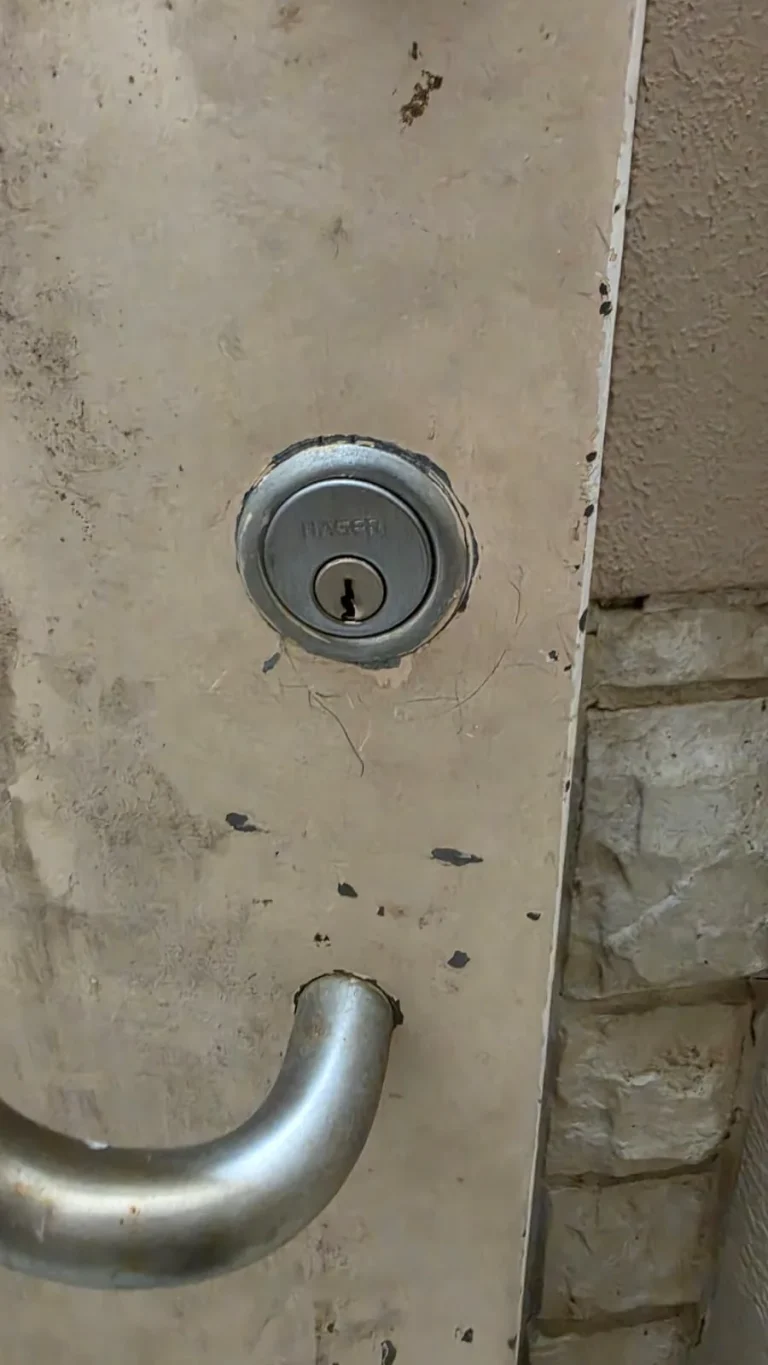
A failing lock does not always need to be replaced. Learn when a door or lock repair may solve the problem, when replacement fits better, and when rekeying protects your home.