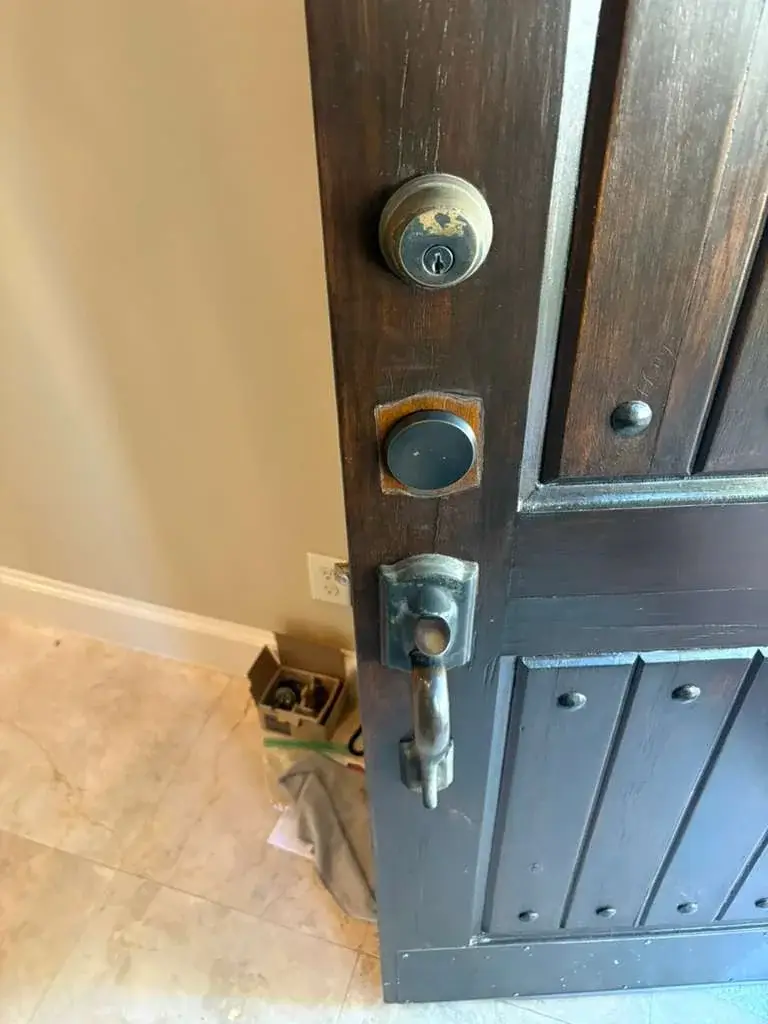
Home Security Planning
New Home Lock Change Checklist for Cypress Homeowners
Moving into a home often means more keys have existed than you realize. Here is a practical way to organize your first lock and key decisions.
License Number: B31188601
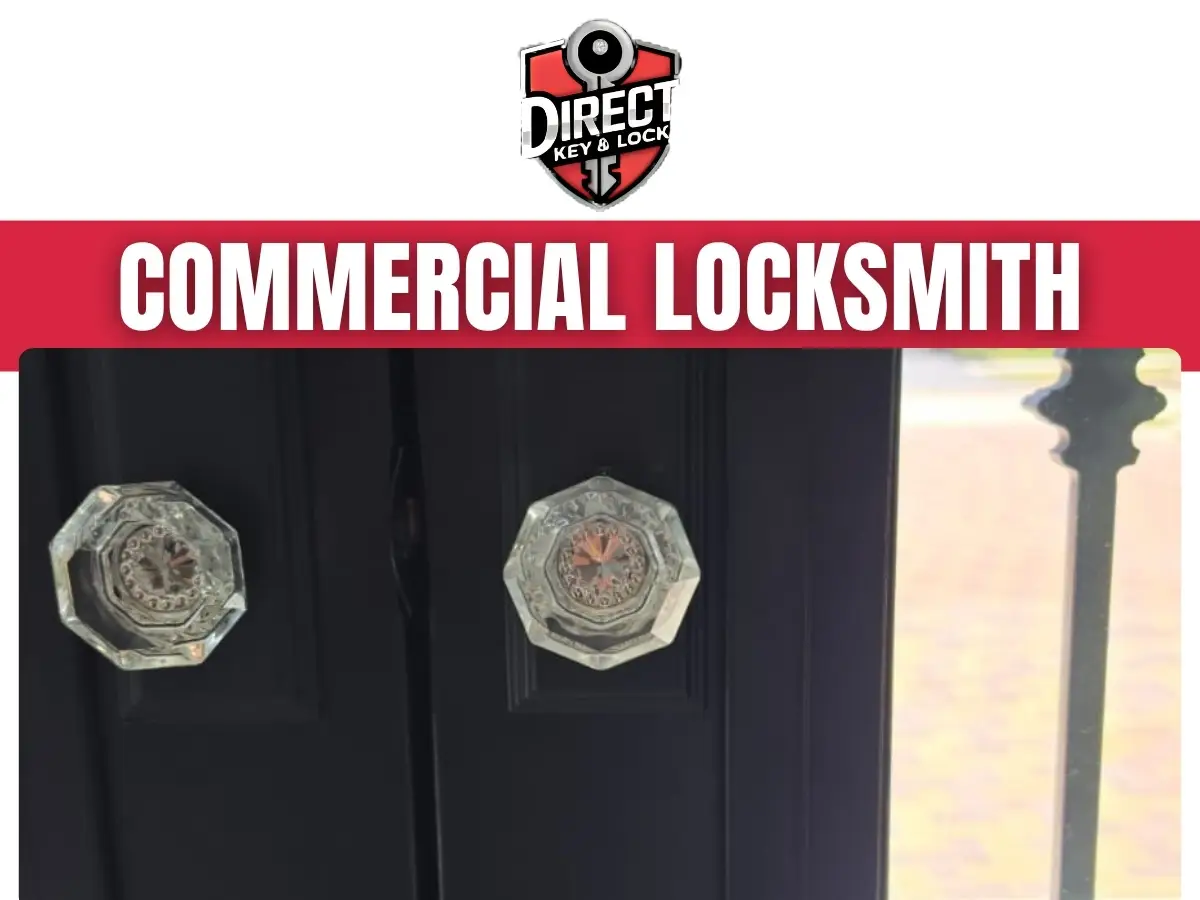
A commercial locksmith in Cypress helps businesses control entry, resolve lock problems, and manage employee keys. Direct Key & Lock helps Cypress, TX, businesses with lock repairs, rekeying, and access options. We focus on how your doors work, who needs access, and what should change to protect your property.
Commercial locksmith service helps you manage access without making daily work harder. Your front entrance, stockroom, office, and delivery door may each need a different approach.
A shop needs a dependable opening routine. An office may need separate access for employees and cleaning crews. A warehouse may need to restrict storage areas while keeping delivery routes usable.
At Direct Key & Lock, we start with your doors and your operating needs. Which doors get heavy use? Who carries keys, and who should no longer have them?
Those answers help guide the work. A stronger lock alone may not solve a loose frame, a poor door fit, or an uncontrolled key system.
Our goal is a practical setup your staff can use correctly. Security should support your workday, not turn opening the office into a group project.
Commercial locks need attention when they become difficult to operate, stop latching, or no longer provide reliable control over entry. Small changes often give you time to act before a door becomes unusable.
Does your closing routine include checking the same troublesome door several times? That is a reason to inspect the hardware, not simply pull harder.
A broken key inside the cylinder can make a manageable problem harder to address and leave the entrance out of use.
A lock problem may begin with the cylinder, the door, the frame, or the way the entrance is used. Finding the cause helps prevent replacing hardware that was not responsible for the trouble.
Busy commercial entrances experience repeated pulling, slamming, and contact from carts. Screws can loosen, hinges can wear, and latch alignment can shift over time.
In Cypress, Texas, exterior doors also face heat, humidity, and rain. Weather seals, door movement, and corrosion can affect how the latch meets the frame.
We consider how the door behaves both open and closed. If a key turns easily with the door open but binds when it closes, alignment may need attention.
Tell us whether the trouble changes throughout the day. A problem that appears only after deliveries or during hot afternoons gives useful clues about what to check.
Commercial lock repair addresses worn, loose, or sticking components when the existing hardware can still serve its purpose. The right repair depends on the lock’s condition and the door around it.
We look at cylinder operation, handles, mounting points, latch movement, and the strike. A loose handle and a damaged cylinder can feel similar to an employee but need different work.
Repair may be appropriate when the problem involves an adjustment or a replaceable component. Replacement may make more sense when hardware is badly damaged, unsuitable for the door, or repeatedly failing.
Before work begins, we explain what appears to be causing the problem. We also discuss whether nearby door issues could affect the outcome.
Let us know about previous repairs or recent door work. That history can help connect a recurring problem to its actual source rather than its latest symptom.
Rekeying changes a compatible lock’s internal key configuration so previous keys no longer operate it. It can restore control over access without replacing every piece of door hardware.
A commercial locksmith in Cypress can help you decide whether rekeying fits your current locks and your business needs. The condition of the hardware still matters, since rekeying does not correct a worn latch or a damaged door.
Do you know how many keys open your business today? If the answer is a guess, start by listing everyone who has received one.
For leased spaces, confirm your authority before changing key access. Property management may have requirements for common entrances, shared doors, or building access.
Commercial lock replacement is useful when existing hardware is damaged, worn beyond practical repair, or wrong for the entrance. New hardware should match the door, traffic, and intended use.
A low-use interior office door has different demands than a busy storefront. Door material, thickness, existing openings, and frame condition can affect which options fit.
We can review the reason for replacement before you choose a new lock. You may need better durability, a different operating function, or a simpler key arrangement.
Avoid buying hardware based only on its appearance. A lock that looks right may not fit the existing preparation or work with the door’s other components.
Ask your property manager about restrictions before changing visible hardware. Coordinating early can reduce interruptions and avoid work that conflicts with the building’s requirements.
A clear key system gives employees access to the spaces they need while limiting unnecessary access elsewhere. Good planning also makes it easier to respond when a key goes missing.
Start with a door list rather than a pile of keys. Record each entrance, the people who use it, and whether it should share a key with another door.
Depending on hardware compatibility, keyed-alike locks can reduce the number of keys needed. A master key system can permit selected access under a broader key structure, but it needs careful planning.
Avoid attaching your business address to a key ring. A lost key should not arrive with directions.
Keypad locks and other access systems can change how authorized users enter your business. The best option depends on the door, user count, power needs, and how access will be managed.
These systems are not interchangeable. Some operate as individual locks, while others depend on wiring, connected components, or an existing building system.
Direct Key & Lock can discuss your access goals and review whether proposed hardware fits the opening. Confirm product compatibility and the scope of work before choosing equipment.
Useful questions include who will manage codes, how access will be removed, and what happens during a power or battery issue. An electronic lock still needs a door that closes and latches correctly.
Avoid giving every worker and vendor the same permanent code. Where the equipment permits it, separate credentials make access changes easier to manage without disrupting everyone.
A business lockout calls for authorized access and an approach suited to the lock and door. Forcing entry can damage hardware, glass, or the frame and create a second problem.
Call Direct Key & Lock at (346) 412-0490 to discuss the lockout and current scheduling. Tell us whether the key is missing, broken, inside the building, or no longer turning.
Be ready to show that you have permission to enter. A property manager or authorized business representative may need to help confirm access.
Keep employees away from attempts to pry the door or remove unfamiliar hardware. Stop using a key that is visibly bent or beginning to crack.
If someone is in immediate danger, contact emergency services rather than waiting for locksmith service. A routine access problem and a life-safety emergency need different responses.
Exit hardware must allow the door to function for safe departure while supporting your building’s access needs. A lock change should not create an obstacle for people leaving the space.
Commercial doors may use push bars, closers, latches, and other connected components. Trouble with any component can affect whether the door closes securely or opens properly from inside.
Do not add chains, padlocks, or improvised devices to address an exit-door problem. Have the opening reviewed, and confirm applicable requirements with the appropriate building or fire authority when needed.
A commercial locksmith visit begins with the reported problem, access authorization, and an inspection of the affected opening. We then discuss suitable work before making changes.
Some problems are limited to a single lock. Others involve multiple doors, unfamiliar hardware, or components that must be sourced.
Tell us about busy arrival periods and delivery windows. Planning around those routines helps keep the work area manageable and reduces disruption to staff and visitors.
A little preparation helps us understand the job and reach the affected doors safely. Gather access information before the visit, especially if several people manage the property.
Photos of the lock, door edge, and frame may help during the first conversation. Do not take hardware apart just to provide a closer view.
For multi-tenant properties, separate your business doors from shared building entrances. That distinction helps prevent confusion about which openings you are authorized to change.
Commercial lock needs vary by property type, traffic, and who controls the building. A useful plan considers your actual routines rather than treating every entrance the same.
A Cypress retail shop may need dependable storefront locks and controlled stockroom access. An office may need separate keys for private rooms and shared work areas.
A service business with field crews may have employees arriving before the office opens. A warehouse may need clear access rules for drivers, vendors, and temporary workers.
In leased Texas commercial spaces, coordinate with management before modifying common doors or shared access equipment. If several businesses use an entrance, changing it can affect more people than your own team.
Think about your next staffing or space change, too. Planning key access during a move or employee transition is easier than sorting it out after a key disappears.
Routine checks can reveal loose hardware and poor latching before they interrupt your business. Employees do not need to dismantle locks to notice changes in normal operation.
Use only maintenance products appropriate for the specific hardware. Household oils or heavy sprays may attract dirt or interfere with some lock components.
Never force a closer or adjust unfamiliar exit hardware without understanding its function. If a door begins scraping, slamming, or staying open, arrange an inspection rather than teaching everyone a new workaround.
Direct Key & Lock helps you address commercial lock problems with a clear focus on daily use and access control. We listen to what is happening, review the affected doors, and explain practical next steps.
Whether you need a sticking lock checked, old keys removed from use, or a new access plan, start with the problem you want solved. You do not need to know the hardware model before calling.
Tell us your Cypress, TX, location, the type of door, and whether you can currently enter and secure the space. That information helps us discuss the request and prepare for the work.
Call (346) 412-0490 or visit our contact page to discuss commercial locksmith service for your business. We can help you move from an unreliable door or uncertain key situation to a more workable access plan.
A commercial locksmith works with locks and access needs at business properties. Direct Key & Lock provides this service.
Common reasons include lost keys, employee changes, worn locks, or moving to a different location.
Rekeying changes which key operates an existing lock, while replacement involves installing a different lock.
A master key system allows designated keys to open multiple locks while other keys have more limited access.
Commercial locksmith work can include lockout assistance, with authorization to access the property typically required.
Reviewing locks and key access can help a business decide whether changes are appropriate for the new location.
Consider which areas the key opens and whether existing access arrangements need to change.
Difficulty turning a key, sticking mechanisms, or inconsistent locking may indicate a need for attention.
Businesses often assign access according to staff responsibilities and the purpose of each area.
A general description of the issue, the type of property, and who can authorize the work can help clarify the request.
Moving into a home often means more keys have existed than you realize. Here is a practical way to organize your first lock and key decisions.
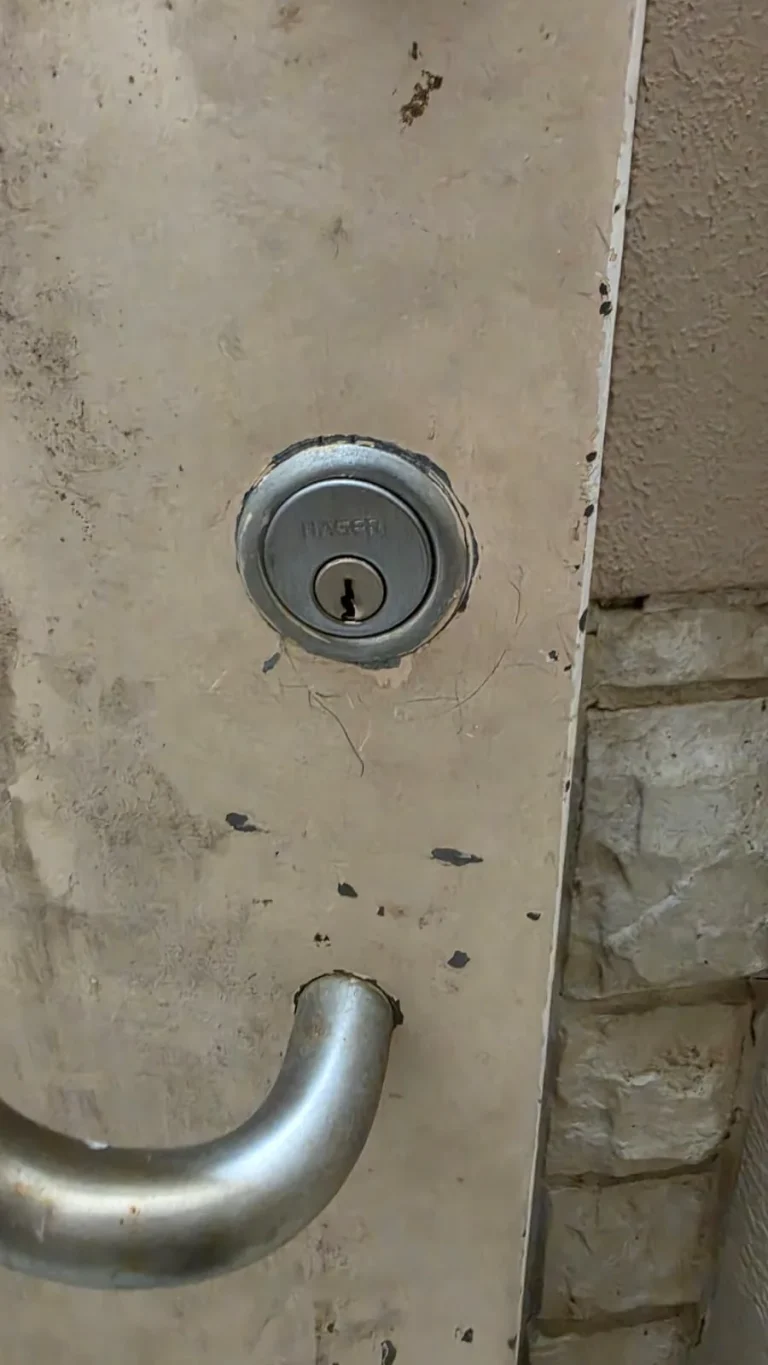
A failing lock does not always need to be replaced. Learn when a door or lock repair may solve the problem, when replacement fits better, and when rekeying protects your home.